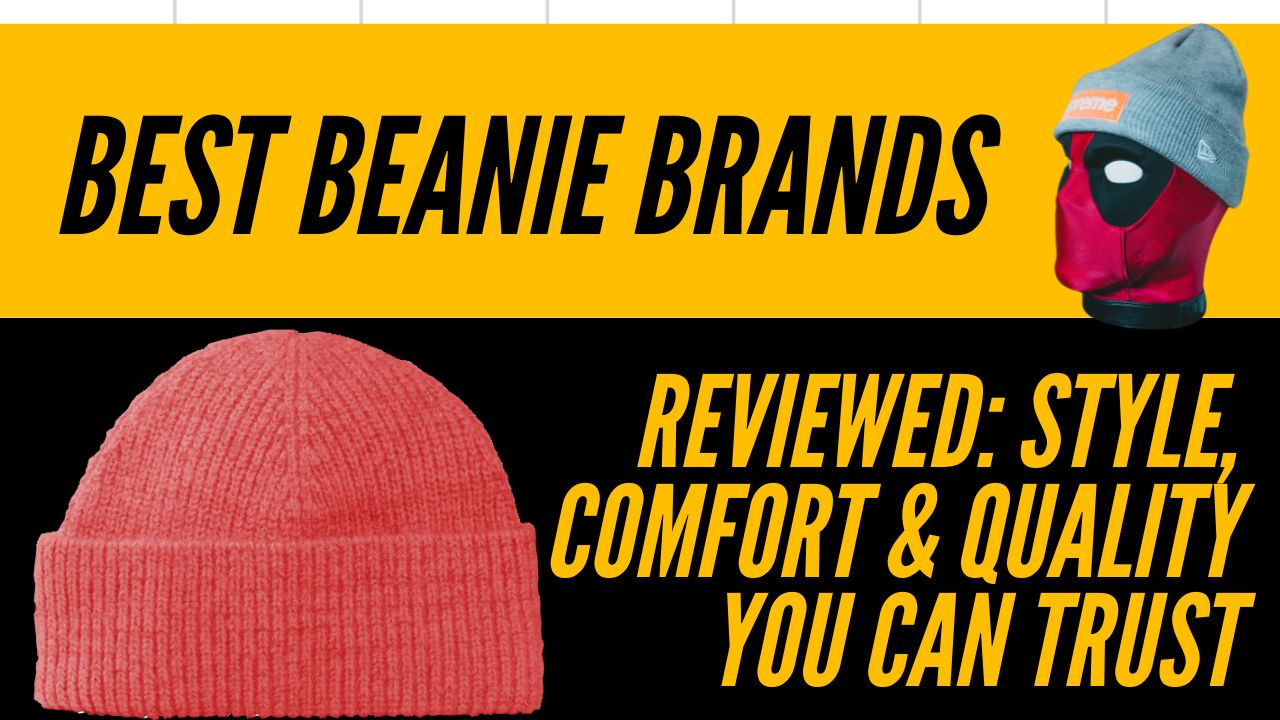
Best Beanie Brands

Best Beanie Brands Style, Comfort & Quality You Can Trust

Beanies have come a long way from their humble beginnings as purely functional headwear designed to keep us warm during chilly days. Today, they are a staple of fashion and personal style worldwide. Whether you Wear Beanie as a snowboarder shredding down slopes, a city dweller battling cold winds, Whether you’re a fashion enthusiast or simply someone looking for a stylish accessory to finish your look, a beanie is a must-have item.

When it comes to finding the right source for your beanies or any apparel, it’s important to Choose Right Clothing Vendor to ensure quality and reliability. Knowing How to Find Clothing Vendors that offer well-made, stylish beanies can save you time and money while guaranteeing you get the best value.

Choosing the best beanie brands means investing in quality, comfort, and style. But with so many options available, how do you know which brand to pick? This overview will help you understand what makes a great beanie and how to find trusted vendors so you can confidently pick your next favorite headwear piece.

Best Beanie Brands Style, Comfort & Quality You Can Trust

If you’re searching for the best beanie brands that combine warmth, comfort, and style, start with trusted names known for quality craftsmanship. Among them, Express Stitch Industries stands out as a reliable manufacturer of premium beanies, offering durable materials, modern designs, and excellent value. Whether you’re buying for retail or custom orders, choosing beanies from reputable makers like Express Stitch Industries ensures long-lasting wear and customer satisfaction.

A Brief History of Beanie Brands

The beanie’s origins trace back to early 20th-century workwear, particularly among laborers and sailors who needed something to keep their heads warm. These first beanies were simple knit caps, practical and affordable.

Fast forward to today, and beanies have morphed into symbols of culture, style, and even activism. Major outdoor brands and fashion houses alike have embraced beanies, developing sophisticated designs and utilizing innovative materials. This journey from function to fashion helps explain why brand reputation matters so much.

What Makes a Beanie Brand Stand Out?

Before diving into brand specifics, it’s useful to understand the key factors that set the best beanie brands apart:

Material and Fabric

The foundation of any great beanie is the material. Wool, especially merino, is prized for its natural insulation and breathability. Acrylic is a popular synthetic alternative that offers softness and affordability. Many premium brands combine both or add other fibers like cashmere or alpaca for luxury feel and performance.

Design and Fit

Style matters—do you want a classic cuffed beanie, a slouchy look, or something sporty? The best brands offer a variety of fits and styles, ensuring you find one that suits your personality and needs.

Sustainability Practices

As consumers become more eco-conscious, brands that prioritize recycled materials, ethical labor, and sustainable processes get extra points.

Durability and Craftsmanship

A good beanie should maintain its shape, resist pilling, and stay cozy through multiple seasons. Attention to stitch quality and fabric treatment often separates premium brands from cheap knock-offs.

Brand Reputation and Customer Assistance  

A trustworthy brand stands by its products with guarantees, clear sizing, and helpful customer service, making your shopping experience smoother.

Top Beanie Brands to Watch in 2025

Here’s a deeper look at the top contenders you should consider:

Patagonia: The Pioneer of Sustainable Beanies

Patagonia is often the first name that comes up when discussing eco-friendly apparel. Their beanies use recycled wool, organic cotton, and even recycled polyester. Beyond materials, Patagonia’s fair labor practices and transparency make it a standout brand.

Their designs are practical yet stylish, fitting both outdoor adventurers and urban dwellers. If sustainability is a priority, Patagonia’s beanies are a safe bet.

The North Face: For Outdoor Enthusiasts

The North Face has earned its stripes as a leader in outdoor gear, and their beanies are no exception. Known for technical fabrics that offer warmth without bulk, many of their models include windproof or moisture-wicking features. No matter if you’re skiing, hiking, or simply taking your dog for a walk, The North Face has you taken care of.

Their style tends toward classic and versatile, suitable for both function and fashion.

Carhartt: Rugged Style Meets Everyday Use

Carhartt’s beanie, especially the iconic acrylic cuffed style, is an urban fashion staple. Originally designed for tough work environments, Carhartt has transcended its workwear roots to become a mainstream streetwear favorite.

Known for durability and a snug fit, Carhartt beanies are perfect if you want a mix of rugged and casual style.

Burton: The Snowboarder’s Best Friend

If winter sports are your scene, Burton’s beanies deserve a look. Their thermal and fleece-lined models provide excellent insulation against biting cold, while maintaining breathability. Burton’s design philosophy blends bold colors and patterns with technical performance.

These beanies double as lifestyle pieces off the slopes too.

Neff: Youthful, Trendy, and Affordable

Neff targets the younger crowd with vibrant colors and funky patterns. They offer great value for budget-conscious shoppers who still want a trendy look. Neff’s beanies are lightweight and easy to care for, making them ideal for casual wear or festivals.

Though not as heavy-duty as Patagonia or The North Face, Neff nails the street style vibe.

Arc’teryx: Premium, Technical Excellence

Arc’teryx is synonymous with high-end outdoor gear, and their beanies reflect that. Made with premium wool blends and featuring minimalist designs, these beanies offer superb warmth and wind resistance.

Though pricier, Arc’teryx beanies are investments in performance and style that outdoor pros appreciate.

Columbia: Great Balance of Price and Performance

Columbia’s beanie collection blends quality and affordability well. Using insulated fleece, acrylic blends, and moisture-wicking tech, Columbia’s options work well for casual cold weather and light outdoor activity.

Their broad range ensures you can find something for any budget or style preference.

Stüssy: Iconic Streetwear Statement

If you want a beanie that screams street cred, Stüssy’s logoed, bold styles will appeal. This brand combines fashion-forward design with cultural edge, making their beanies much more than simple hats—they’re statements.

Perfect for those who want to stand out and invest in trendy urban wear.

Fjällräven: Scandinavian Minimalism

Known for timeless, durable outdoor gear, Fjällräven’s beanies reflect Scandinavian values of simplicity and functionality. Their designs are often understated with neutral colors, focusing on natural fibers like wool blends.

For those who appreciate minimalism with premium quality, Fjällräven is a fantastic choice.

Bula: Fun, Colorful, and Cozy

Bula offers a wide variety of cozy beanies in playful colors and patterns. Their fleece-lined options are perfect for winter warmth, with a lighter side that’s fun and vibrant.

Great for those wanting to add a pop of color to their winter wardrobe without sacrificing comfort.

Material Deep Dive: What Makes a Beanie Cozy and Durable?

Understanding fabric options can make a big difference in your buying decision:

  • Wool (Merino, Alpaca, Cashmere): Natural warmth, breathability, and odor resistance. Merino wool is softer than regular wool, while cashmere is luxuriously soft but more delicate.
  • Acrylic: Affordable, soft, and easy to care for. Acrylic tends to hold color well but can be less insulating and may pill over time.
  • Blends: Many top brands mix wool and acrylic or add nylon for durability and stretch. This approach combines warmth with practicality.
  • Recycled Fibers: An increasing number of brands use recycled polyester or wool to reduce environmental impact without compromising quality.

Design Trends in Beanies

Beanie designs continue to evolve with fashion trends:

  • Cuffed Beanies: The classic look with a folded brim, providing extra warmth around the ears.
  • Slouchy Beanies: More relaxed and casual, popular in streetwear and creative circles.
  • Fisherman Beanies: Shorter, snug fits with a retro vibe, often worn higher on the head.
  • Tech-Enhanced: Some beanies now include touchscreen-friendly materials, reflective details for safety, or moisture-wicking linings.

Sustainability: Why It Matters in Choosing a Beanie

With the fashion industry’s impact on the planet under scrutiny, choosing sustainable brands supports environmental responsibility. Look for certifications like Bluesign, Fair Trade, or GOTS (Global Organic Textile Standard) when selecting your beanie.

Many top brands are now transparent about their supply chain and work to minimize waste, using recycled materials and reducing carbon emissions.

How to Choose the Perfect Beanie for Your Lifestyle

Ask yourself these questions:

  • Will you wear it mostly outdoors or indoors?
  • Do you prefer fashion or function?
  • How sensitive is your skin? (Consider itchiness and allergies)
  • What’s your budget?
  • Do you care about sustainability?

Answering these helps narrow your choices.

Buying Tips: Where to Shop for Authentic Beanies

Always buy from official brand websites or trusted retailers to avoid fakes. Seasonal sales and outlet stores can be great ways to grab high-quality beanies at reduced prices.

Caring for Your Beanie

Proper care extends your beanie’s life:

  • Wash gently by hand in cold water to prevent shrinkage.
  • Select a gentle detergent that does not contain bleach or fabric softeners.
  • Avoid machine drying—lay flat to dry to keep shape intact.
  • Keep it stored in a dry area out of direct sunlight.

Conclusion

Choosing the best beanie brands is about more than just warmth—it’s about picking a piece that fits your style, values, and lifestyle. Whether you prioritize eco-friendliness, outdoor performance, street style, or affordability, there’s a brand out there tailored for you.

Investing in a quality beanie means you’ll enjoy comfort and style for years, no matter the weather or occasion. So go ahead—explore these top brands and find your perfect headwear companion.

FAQs

  1. Are expensive beanies really better?
  2. Often, yes. Higher prices usually reflect superior materials, better craftsmanship, and longer durability.
  3. Can beanies be machine washed?
  4. Some can, but hand washing is recommended to maintain shape and fabric integrity.
  5. What’s the warmest material for beanies?
  6. Merino wool and fleece-lined beanies generally provide the most warmth.
  7. How do I prevent my beanie from stretching out?
  8. Avoid hanging your beanie and store it folded flat to preserve its shape.
  9. Which brand is best for sensitive skin?
  10. Brands using soft merino wool or cashmere blends, like Patagonia or Arc’teryx, tend to be less itchy.
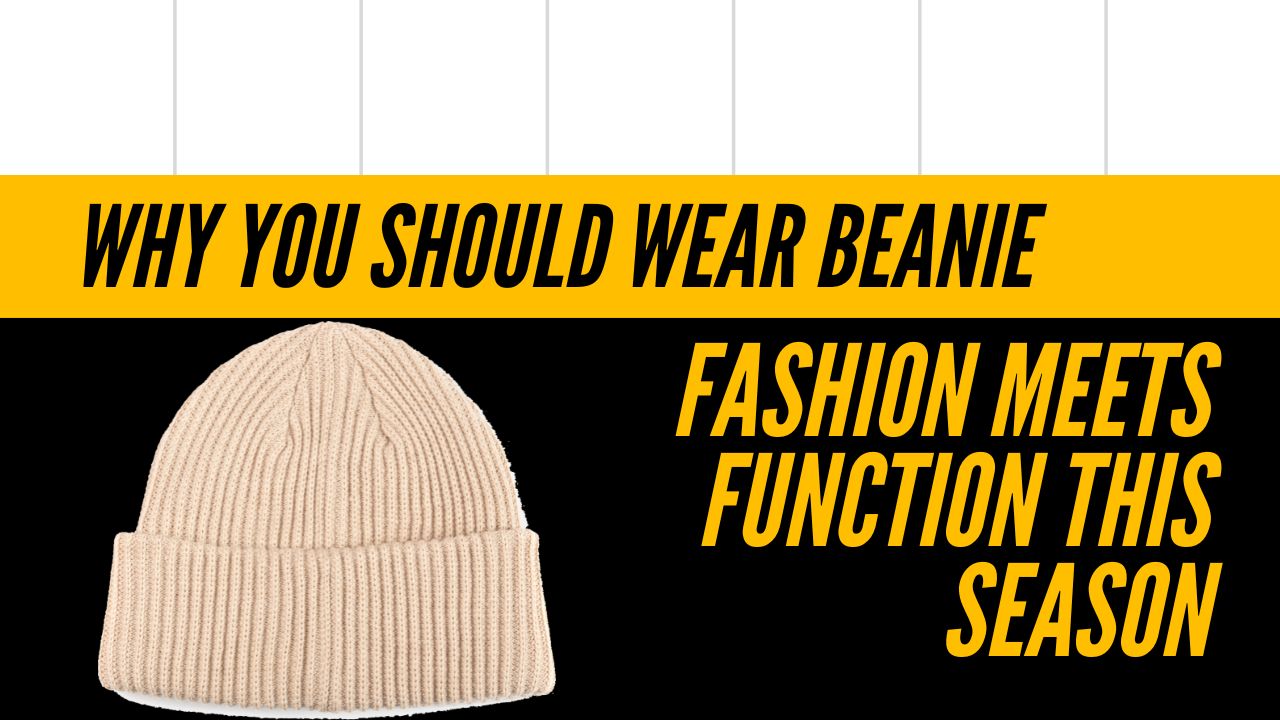
 

Wear Beanie

Why You Should Wear Beanie: Fashion Meets Function This Season

Why Wear Beanie?

Have you ever stopped to think why the beanie has become such a beloved accessory across the globe? This snug, sometimes simple-looking hat has transformed from a practical winter necessity into a powerful style statement. Whether you’re battling the cold, trying to cover up a bad hair day, or just wanting to add a dash of cool to your outfit, the beanie fits all those needs and more. It’s one of those rare items that’s equally practical and fashionable, no matter your age, gender, or style preference.

But what exactly makes wearing a beanie so appealing? Why do people of all walks of life reach for this knit cap as their go-to accessory? From fashion-forward individuals to brands looking to Choose Right Clothing Vendor or explore premium Cut and Sew Manufacturer Services, the beanie remains a staple that reflects both individuality and craftsmanship. In this deep dive, we’ll explore everything you need to know about wearing a beanie—from its history and styles to how you can incorporate it into your daily wardrobe with flair. Ready to become a beanie pro? Let’s go!

History and Origins of the Beanie

Believe it or not, the beanie isn’t just a modern fashion fad—it has a rich history spanning over a century. The termbeanieitself originally referred to a small, round cap worn by workers and students in the early 1900s. These hats were practical, designed to keep heads warm during labor-intensive tasks or cold weather, particularly among sailors, farmers, and factory workers.

In the 1920s and 30s, the beanie became popular among college students in the United States, often as a symbol of school pride or fraternity membership. It was typically worn tightly fitted on the head, sometimes with a button on top. Later, the hat took a turn in the subculture scene, embraced by artists, musicians, and skaters from the 70s onward.

Fast forward to today, and the beanie has exploded in popularity across all demographics—fashion runways, streetwear, and everyday casual looks.Its adaptable nature and classic style establish it as an essential piece in any wardrobe.

Types of Beanies: Which One is Right for You?

If you thought a beanie is justa hat,think again. There are multiple types of beanies, each offering a distinct look and feel. Understanding these styles will help you pick the perfect beanie for your personality and needs.

Classic Cuffed Beanie

This is your traditional knit cap with a folded brim around the edge. The cuff can be adjusted by rolling it up or down based on the desired style or warmth. It’s great for everyday use and works well with almost any outfit.

Slouchy Beanie

Looser and longer than the cuffed variety, the slouchy beanie has that effortless,I just threw this onvibe. It’s perfect for a casual look and works best with relaxed or oversized clothing.

Fisherman Beanie

This style is shorter and fits snugly above the ears, usually sitting higher on the forehead. It’s popular in urban streetwear and offers a retro feel. The fisherman beanie is great for those who want a minimalistic, clean look.

Pom-Pom Beanie

Adding a bit of playful flair, pom-pom beanies feature a fluffy ball on top. They come in both classic and quirky colors and can be a fun winter accessory.

Thermal Beanie

Designed specifically for warmth, these beanies often have fleece lining or are made with technical fabrics to keep you warm in extreme cold.

Knowing these styles can help you decide which beanie suits your daily life, your fashion sense, or your functional needs.

Benefits of Wearing a Beanie

Why are beanies so popular? Beyond the obvious warmth factor, here are some key benefits that make beanies an all-around winner:

1. Keeps You Warm

This is the primary reason beanies were invented, and they still serve this function brilliantly. A beanie traps your body heat, especially around your head and ears, preventing heat loss and keeping you cozy during chilly weather.

2. Instantly Elevates Your Style

Beanies add a layer of coolness that’s hard to beat. Whether you’re throwing one on with jeans and a tee or pairing it with a chic jacket, a beanie can bring your whole look together effortlessly.

3. Hides Bad Hair Days

We’ve all had those mornings when our hair just doesn’t cooperate. A beanie is a lifesaver that can cover up a messy, unwashed, or frizzy head of hair while still looking fashionable.

4. Comfortable and Easy to Wear

Unlike hats with rigid brims or tight bands, beanies are soft, flexible, and conform to your head shape, providing comfort without pressure points.

5. Versatility

Beanies fit all seasons and occasions with the right style and material. Whether it’s summer, winter, a casual day, or a night out, there’s a beanie for every scenario.

How to Style a Beanie for Different Occasions

Styling a beanie is an art. You want to look intentional, not like you just threw something on. Here are some ways to wear your beanie to suit different settings:

Casual Day Out

Pair a slouchy or cuffed beanie with your favorite jeans, a cozy hoodie, and sneakers. It’s laid-back and perfect for running errands or meeting friends for coffee. This effortless style is as timeless as the question, Why Do People Wear Varsity Jackets—both pieces offer comfort and character while being rooted in cultural fashion.

Smart Casual

Go for a sleek, neutral-colored cuffed beanie paired with a wool coat, slim-fit pants, and leather boots. This combo keeps you warm while looking polished enough for casual work environments or brunch dates. Understanding how to dress for such settings is as essential as knowing How to Find Clothing Vendors when curating a reliable and stylish wardrobe.

Athleisure Look

Combine a sporty beanie with leggings, an oversized sweatshirt, and running shoes. This look is ideal for active days or lounging comfortably.

Night Out or Edgy Look

Wear a black fisherman beanie with a leather jacket, skinny jeans, and combat boots. This look screams cool with a hint of rebellion. Like styles explored in Men’s Polo Shirts – The Ultimate Guide, pairing pieces with intention is what defines a strong outfit.

Outdoor Adventure

Choose a thermal or fleece-lined beanie to stay warm while hiking, skiing, or camping. Pair it with functional outdoor gear to be both practical and stylish.

The key is to coordinate colors and textures so your beanie feels like a natural part of your outfit.

Beanie Materials: What’s Best for Comfort and Warmth?

Material choice can make or break your beanie experience. Here’s a closer look at common fabrics:

Wool

Natural wool is warm, breathable, and moisture-wicking. It’s perfect for cold climates but can sometimes be itchy if you have sensitive skin.

Acrylic

Synthetic and budget-friendly, acrylic mimics wool’s warmth but is softer and hypoallergenic. However, it’s less breathable.

Cotton

Lightweight and breathable, cotton is great for milder weather. Cotton beanies are comfortable and easy to wash.

Fleece-Lined

The fleece lining provides an additional level of coziness and warmth, ideal for chilly days.

Cashmere

Luxurious and soft, cashmere beanies provide warmth without bulk. They’re pricier but a worthy investment if you want style and comfort.

Choosing your beanie’s material depends on your climate, budget, and skin sensitivity.

Beanie and Seasonal Fashion: Winter to Summer

Beanies might scream winter, but they’re surprisingly adaptable for other seasons.

Winter

Chunky knit wool or fleece-lined beanies are your best friends in freezing temperatures. Pair them with layers and heavy coats.

Spring and Fall

Lighter wool or cotton blends work well here, offering some warmth without overheating.

Summer

Opt for ultra-light cotton or linen beanies, which add style without trapping too much heat. Perfect for cool evenings or breezy beach days.

This adaptability makes beanies a year-round accessory, not just a seasonal one.

Beanies for Different Hair Types and Styles

Beanies aren’t one-size-fits-all when it comes to hair. Here’s how to wear them with different hair types:

Curly Hair

Choose a slightly larger or slouchy beanie to avoid flattening your curls. Materials like cotton or soft acrylic reduce static and frizz.

Straight Hair

You can rock tighter fitting cuffed beanies or fisherman styles without worrying about volume loss.

Afro-textured Hair

Look for beanies with stretch and softness to accommodate volume without crushing your hair. Avoid overly tight beanies to prevent headaches.

Long Hair

Wear your hair loose under a beanie or try a low ponytail or braid to keep things neat.

Beanies can actually protect hair from weather damage, so they’re a win-win.

Beanie Trends: What’s Hot Right Now?

Fashion moves fast, but some beanie trends are dominating right now:

  • Earth Tones & Pastels: Soft browns, greens, and blush shades that blend with natural palettes.
  • Eco-Friendly Fabrics: Sustainable, organic cotton, recycled wool, and biodegradable yarns are gaining popularity.
  • Chunky Knits: Oversized stitches for texture and warmth.
  • Minimalism: Sleek, logo-free beanies in monochrome for a refined look.
  • Bold Logos & Patches: Streetwear vibes with branded or customized patches.

These trends prove the beanie’s incredible flexibility—from high fashion to street style.

How to Choose the Perfect Beanie Size

Sizing matters! A beanie should fit snugly but comfortably.

  • Calculate Your Head Size: Take a soft Use a measuring tape and place it around the widest part of your head. just above your ears.
  • Check Size Charts: Brands vary, so consult their size guide before purchasing.
  • Consider Stretch: Most beanies stretch, but some fabrics are more forgiving.
  • Try It On: If you can, try before buying. It should feel secure but not tight enough to cause headaches.

Right sizing ensures you look good and feel comfortable all day.

Caring for Your Beanie: Cleaning and Maintenance Tips

Want your beanie to look fresh and last? Follow these Recommendations:  

  • Hand Washing is Recommended: Utilize cold water and a mild detergent to preserve the fibers’ integrity.
  • Avoid the Dryer: Air dry flat to prevent shrinking and distortion.
  • Spot Clean When Possible: For small stains, avoid full washing.
  • Store Properly: Fold beanies to keep shape; avoid hanging which can stretch them out.
  • Rotate Use: Don’t wear the same beanie daily to extend its life.

A little care goes a long way.

Beanies in Pop Culture and Celebrity Style

Beanies have been embraced by countless celebrities and cultural icons.

  • Kurt Cobain: Made the slouchy beanie a grunge staple.
  • Pharrell Williams: Known for rocking unique beanies with bold statements.
  • Jennifer Aniston & Ryan Gosling: Seen sporting beanies casually in public.
  • Streetwear Icons: Beanies are a huge part of hip-hop and skate culture.

Following these trends can inspire your own unique beanie style.

Beanies for Outdoor Activities: Hiking, Skiing, and More

For outdoor lovers, a beanie is a must-have:

  • Hiking: Lightweight, moisture-wicking fabrics keep you warm without overheating.
  • Skiing & Snowboarding: Thermal or fleece-lined beanies fit well under helmets.
  • Camping: Easy to pack and provides warmth during chilly nights.
  • Running: Breathable and snug, preventing heat loss without bulk.

Choosing the right beanie enhances your outdoor experience.

Beanies as a Statement Piece: Express Your Personality

Beyond function, beanies can showcase who you are:

  • Color Choices: Bright colors can signal confidence, while neutrals suggest understated cool.
  • Custom Patches & Pins: Personalize your beanie to reflect your hobbies or beliefs.
  • Unique Patterns: Fair isle, stripes, or geometric designs add visual interest.
  • Handmade or Artisan: Wearing a handcrafted beanie supports independent creators and makes your look unique.

Your beanie can be as loud or as subtle as you want.

Conclusion: Embrace the Beanie Lifestyle

So, why wear a beanie? Because it’s more than just a hat—it’s a statement of comfort, style, and identity. From protecting you against the cold to elevating your outfit with minimal effort, the beanie is an all-around winner. Whether you prefer the classic cuffed style or a trendy slouchy version, wearing a beanie lets you blend function with fashion seamlessly. It’s a small accessory that makes a big impact. So next time you step out, consider throwing on a beanie—it might just become your new favorite piece.

FAQs About Wearing Beanies

  1. Can I wear a beanie in summer?
  2. Yes! Lightweight, breathable cotton or linen beanies are perfect for cooler summer evenings or adding a stylish edge to your look without overheating.
  3. How do I prevent my hair from getting flat under a beanie?
  4. Choose a slightly loose fit, opt for softer materials like cotton, and try styling your hair with some volume before putting on the beanie.
  5. Are beanies suitable for formal occasions?
  6. Typically, beanies are casual, but a sleek, neutral-colored, fine-knit beanie can work for smart casual settings. Avoid for formal or black-tie events.
  7. How often should I wash my beanie?
  8. Washing once every 1-2 weeks if worn regularly is advisable. Always follow care instructions to keep the beanie’s shape and texture intact.
  9. Can beanies cause headaches?
  10. They can if they are too tight. Make sure to get the right size and material to avoid discomfort or headaches.


Athletic Apparel Manufacturers

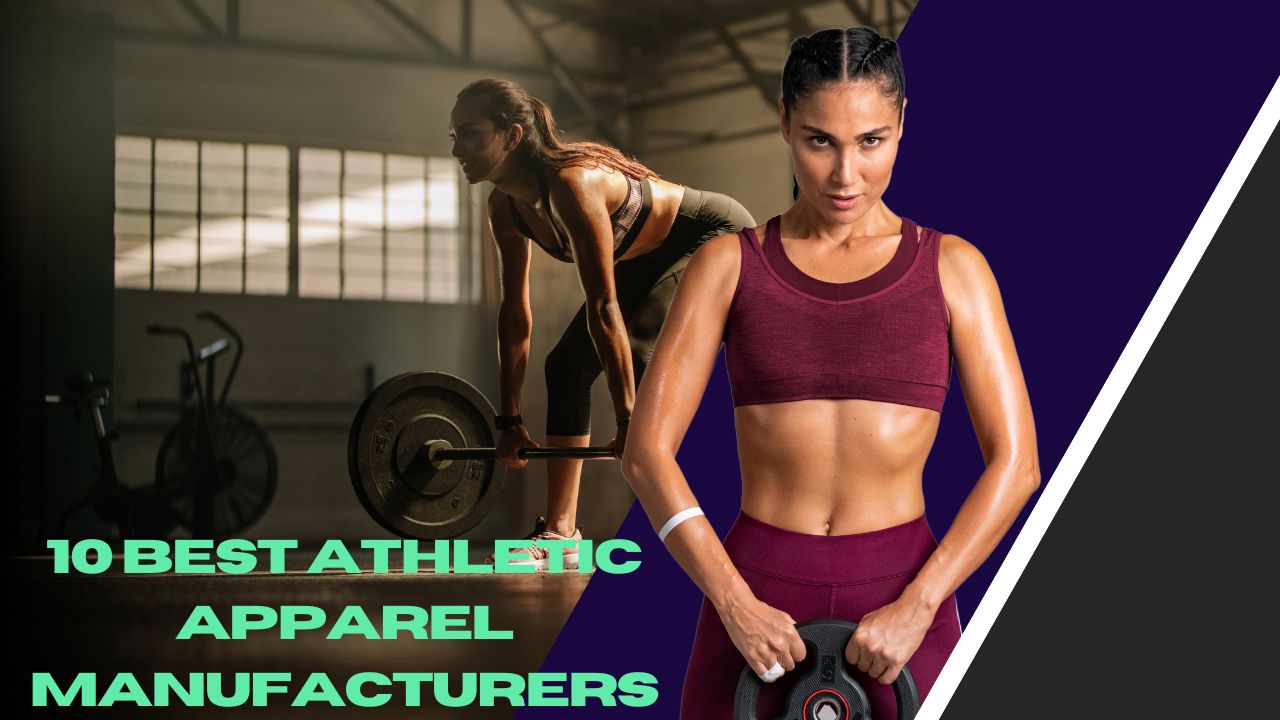
10 Best Athletic Apparel Manufacturers for Custom Sportswear and Team Uniforms

Choosing the right athletic apparel manufacturers can help you build a strong business. In this article, we rank the 10 best activewear manufacturers and athletic suppliers who offer quality and custom options. Finding the right partner means your brand can grow with reliable, stylish, and comfortable clothing designed for today’s market needs.

10 Best Athletic Apparel Manufacturers for Custom Sportswear and Team Uniforms

Finding the best partners in the activewear industry isn’t just about who produces the most products—it’s about aligning with a manufacturer that shares your brand’s values and delivers high-end, performance-driven activewear that speaks directly to your audience.Based on my experience with both new companies and well-established brands, there’s a clear difference between generic bulk production and tailored solutions. I once partnered with EXPRESS STITCH INDUSTIRES, and their bespoke approach to attire—with countless patterns, colors, and customizable designs—made them a standout. Their website highlights their dedication to quality and customer service, going the extra mile to provide completely unique gym wear options at wholesale rates without compromising the fit or processes.

One of the most sustainable choices I’ve worked with is AEL Apparel, known for organic, biodegradable fabrics and the ability to work from scratch or build on existing designs. Their flexibility in meeting exact client needs, offering samples prior to full runs, and being true specialists in sports clothing shows how detail-oriented they are. They also help brands create a unique vision—from leggings to bras—with a seamless private label system and full support throughout the line development process.

I admire White2Label for their focus on small businesses with affordable, low minimum orders. I remember launching a capsule collection with them that required just 25 pieces per style—a lifesaver for testing new designs. They also stand out for their transparency, fast delivery, and clear online view of sportswear options. The relationship we built through consistent production quality and cost-effective practices helped our business reach new milestones quickly.

Hingto is a brand I often recommend to clients wanting that blend of big-name credibility and custom support. Having worked with global brands like Adidas, Speedo, and Nimble, they offer deep experience. Their customizable, ethical, and sustainableproduction covers both men and women and includes all the essential staples in sporting clothing. A client of mine saw great success scaling with Hingto due to their wide range, transparent quotes, and seamless account setup.

If you’re looking for something stylish and ultra-functional, NF Seamless is unbeatable. Their smooth, seamless designs not only enhance gym performance, but also resonate deeply with users thanks to innovative technology and eco-conscious materials. The supplier offers a range of creations that balance comfort with style and even address market-specific target needs. I appreciated how well they had me covered, with options and products that were truly perfect for the niche I served.

For startups with tight budgets, 4U Sports is a solid choice. They offer a broad range of activewear, accessories, and styles from India, yet cater to customers all around the globe. I used them during a lean launch phase and was impressed with their ability to provide up-to-date trends and meet diverse athletic and market needs at lower costs without sacrificing quality.

I’ve also worked with Activewear Manufacturer, and their strong craftsmanship and private label support in the US are top-notch. What stands out is their discount system on bulk orders, great for businesses looking to scale. While some materials raise environmental concerns, they’re a respected name in the world of sportswear, and they always strive to deliver strong service and clear customer contact.

One brand that adds a human touch is Titafit. I appreciated the personalization they offer, especially being able to discussdesigns directly over the phone. Their creative team is dedicated to turning your fitness vision into reality, with a streamlinedprocess and low moqs. I once had a rushed timeline and was able to fulfill a custom order faster with them than anyone else—plus their team truly suits the hands-on founder style.

Fitness Wear Direct delivers a complete, end-to-end service. Their ethics-first approach and fast turnaround impressed me when I needed a made-in-America partner. I had to register for pricing and handle payments manually, but their streamlined system and deep understanding of sports branding made it worthwhile. They offer private label, design support, and work closely with businesses through every step.

Finally, if sustainability is a priority, Blue Associates Sportswear is a must. I remember their sustainability guide was one of the most user-friendly I’d seen. Their eco materials, commitment to fighting waste and pollution, and trailblazing role in the climate-conscious fashion space sets them apart. They’re ideal for brands wanting to make an impact—with wholesale terms and even a start-up pack to help new clients navigate the eco-production journey.

Factors to Keep in Mind When Choosing Sportswear Partners

Starting a brand in the fitness world is exciting, but one of the biggest challenges is How to Start a Fitness Clothing Line the right way. A major part of that journey involves Choose Right Clothing Vendor options that align with your goals. When I began building my brand, I found that quality in both fabrics and production processes made a big difference. Every manufacturer has their own methods, but only a few truly understand the performance needs of sports apparel. I quickly realized that what a vendor is offering can either elevate your brand or hold it back.

Before making a choice, it’s smart to research different companies, especially those with an established and positive track record. I always read through reviews, testimonials, and even contacted previous clients when possible. You can’t ignore reputation—it reflects not just product quality but the company’s commitment to your success in the athletic clothing industry. Some of the best decisions I’ve made came from trusting vendors with real, verifiable credibility in the market.

If you want to offer real value, work with pros who know the field. The best results come from companies with years of experience in designing and producing athletic wear specifically. You’ll find they have insight into small details that new vendors overlook. From my own journey, I learned that niche understanding can shape a more functional and appealing product line. Cut and Sew Manufacturer Services helped me move from concept to product smoothly when I was just starting.

Don’t forget about sustainability. More than ever, active wear manufacturer choices should reflect values that today’s customers care about. One important aspect is how eco-friendly your line is—this not only supports the planet but also gives you a story to promote. I once worked with a vendor who showed how their recycled fabric reduced waste. That kind of effort goes far in connecting with the modern consumer.

Equally important is customer service. A solid manufacturer should treat your order with as much importance as you do. Great products need to be backed by responsive and helpful teams. I’ve had both good and bad experiences, and the difference always came down to how much the company prioritizes your needs and experience during every step. How to Find Clothing Vendors often comes down to how they treat you from your first inquiry to final delivery.

As you narrow down your activewear manufacturers and athletic clothing suppliers, think about your brand’s place in the market. The process of choosing the right vendor is not just a one-time task—it’s an investment in the future of your business. When I was looking for the perfect fit, I followed a simple list of essentials for guidance and clarity, which helped me avoid costly mistakes and focus on what really mattered: delivering value and building something meaningful.


Men's Jeans - The Ultimate Guide

Men’s Jeans – The Ultimate Guide Smart Fit

Just like Men’s Polo Shirts – The Ultimate Guide dives into timeless staples, men’s jeans have their own story that began in Nîmes, France, where David André, a dyer, first developed the strong indigo-blue fabric that became the precursor to cotton denim. He later moved to Italy, supplying Genoese sailor’s trousers to local workers at the port, and through the rigours of sea life and the Gold Rush in America, the durable work trousers were shaped into modern jeans by Levi Strauss. The English-speaking world adopted this rugged wear, turning it into a global staple, admired by denimheads for styles like selvedge jeans, straight-leg jeans, and even bell-bottom cuts. Whether you’re into black or blue jeans, every pair carries its own character, adapting over time to your body type, becoming almost inseparable from your daily lives. I remember feeling completely confused by the terminology when I first started, trying to understand what made cotton-denim different from selvedge, or how to spot a unique pattern, but with use, I saw how each man’s fit tells its own legend. From the closet of an aged craftsman to a younger guy just discovering his style, jeans are an everyday bottom line—a classic, durable, and personal piece of folkore, whether picked up at a premium shop or for a quick buck at a weekend market.

Men’s Jeans – The Ultimate Guide Smart Fit

Choose the right fit: slim, straight, relaxed, or skinny for your body type. Pick a rise: low for trend, mid for balance, high for vintage style.Dark washes are dressy, light and distressed are casual.For comfort, look for stretch denim with a bit of elastane.

6 Ways Men Wear Jeans Wrong

Too Baggy Isn’t Better

Men's Jeans - The Ultimate Guide
Wearing baggy jeans can throw off your whole aesthetic, especially if
you’re not dressing for your body type or build. I’ve seen how they make slim guys look skinnier and big guys appear even bigger, which feels both childish and unflattering. A good fit should feel proportional, not sloppy, and balance your frame instead of drowning it.

When Jeans Are Too Tight

tight jeans
If your jeans are too tight, they can look juvenile and feel just plain wrong, no matter your body type. A good taper is important, but wearing them in a casual or work environment might come off as unprofessional.
I’ve seen guys look completely unaware of how to dress well at work because their fit didn’t match the setting.

When Jeans Are Too Light

light jeans
Washes that are too light, like very light blue, white, or grey, often miss the mark if
you’re going for a timeless look. I’ve found acid-washes try too hard to be trendy, but lack the versatile appeal of a dark wash or clean color. Stick with rich colors that work every day, not just in one passing style moment.

Ripped Doesn’t Always Work

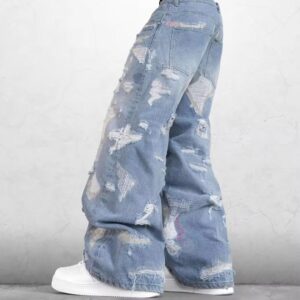
distress jeans
Ripped jeans and distressed styles might seem edgy, but for 95% of men over the age of 25,
it’s usually a bad look. Light fading or distressing is fine if you’re under the age of 25, but heavy tears or lighter washes often make you look like a teenager. From experience, a clean pair always wins unless you’re really going for that bold, youthful vibe.

Long Jeans, Short Style

long jeans
Jeans that are too long can ruin your whole outfit, making you look short and sloppy instead of flattering—a quick $5-10 fix at the tailor can get the right length.

Avoid the Sag

saggy jeans
A good fit in the seat and thigh area with a proper rise is crucial—not too loose, not overly tight, just a clean trim that flatters your shape.

Anatomy of Jeans

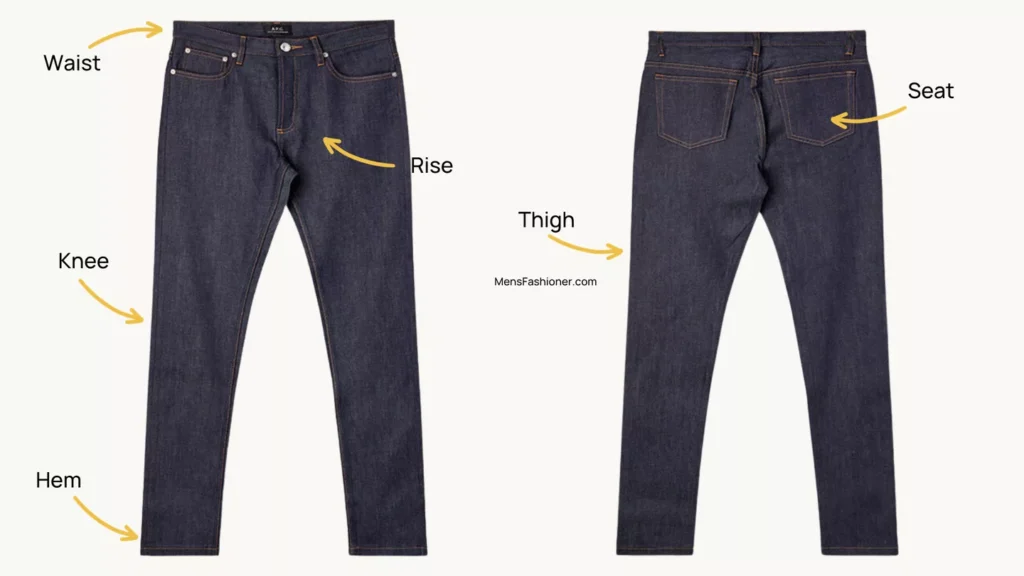
anatomy of jeanscredits:mensfashioner


Choosing the Right Rise

The rise of your jeans — whether low-rise jeans, mid-rise jeans, or high-rise jeans — affects how your pants sit on your waistline and shapes the overall fit. I’ve seen men with longer legs prefer options like high-rise jeans, especially from big and tall stores, while shorter guys might go for the regular or normal rise around 9–11 inches or 23–28 cm. During the 60s and 70s, low-rise jeans were a style comeback, now revived by Gen Z as part of today’s trend. Make sure the distance from the crotch seam to the waistband feels right — often around 7–12 inches, 17.75–30.5 cm, or 25.5 cm for tall builds. If a rise feels out of place or doesn’t feel right at your natural waist or hips, it likely isn’t the ideal, no matter how common or versatile the style may be.

Waist Fit Matters

Your jeans should sit comfortably at the mid-to-upper hip, with a fitting waist that stays in place without a belt for a sharp, polished look. A proper placement helps avoid a droopy seat and ensures they fit perfectly from the start.

Get the Seat Right

A good fit means the seat hugs just right—not too tight, not saggy, and never unflattering. If it feels restrictive around the upper thighs, try a different fit or visit a tailor as a last resort to adjust it snugly.

Thigh Fit Tips

If you can pinch too much fabric around the thigh, the cut or size might not match your body type or style. Try better tailoring, especially around the legs, to remove excess fabric—but keep that for a last resort.

Keep the Knee Comfortable

Your jeans should fit comfortably around the knee area, staying close but not tight, even when you bend down or walk. Make sure there’s no pulling, and avoid any no rips or no tears around the knees to keep the look clean.

The Right Break

The break is the crease or fold in your pant leg where the fabric touches the shoe while standing. A full break or half break gives a polished, sharp look, while a negative break feels too short. If it’s too long, get it hemmed—it’s affordable, worth it, and keeps the front of your jeans clean.

Indigo Treatments & Wash Styles

When exploring Men’s Jeans – The Ultimate Guide, understanding treatments like rope-dyeing and how denim’s color changes through wash types can help you Choose Right Clothing Vendor or even discover options like Express Stitch Industries. Brands often use terms like light wash, dark wash, or fading used interchangeably, but each has specific meanings that affect the appearance, depth, and feel of the jeans. For example, dye fades with each wash, creating lighter-colored denim, while unwashed or washed minimally jeans maintain a darker tone. Originally, denim used natural dye from the Indigofera tinctoria plant, but was later dyesynthesised by German chemist Adolf Baeyer in 1897. His work led to the chemical structure most manufacturers use today, replacing the traditional natural indigo. In techniques like rope-dyeing, yarns are twisted into rope and dipped into indigo dye, leaving the fibres not fully penetrated so they fade beautifully with age, forming a faded patina. The colour may appear paler or have a greener cast, depending on the process. Whether you’re learning How to Find Clothing Vendors or shopping for pre-1920s jeans, knowing how dye, washed, wash, color, and denim relate will improve your buying experience.

Dip-Dye Process

The traditional method to make denim involves dyeing cotton yarn by repeatedly dipping it in an indigo-dye bath, usually six to eight times. This technique is normally used to create deep, lasting color in quality jeans.

Double or Over-Dyeing

Over-dyeing is a dyeing process where yarn is woven and dipped in an indigo dye bath 12 to 16 times instead of the standard six to eight, adding a higher concentration of dye to create a deeper, richer shade of blue—a bold effect often seen in premium denim.

Enzyme Wash Finish

An enzyme wash uses enzymes and organic matter to speed up natural reactions that soften the fabric, remove cellulose, and emphasise subtle highlights so jeans feel soft and worn-in from the start.

Stone Wash Style

Stone wash was made famous in 1960 by Hollywood western wear designer Nudie Cohn, who used pumice stones for a worn-in look while washing jeans. Today, enzymes offer a more eco-friendly alternative with the same soft finish.

Acid Wash Revival

Acid wash became iconic in 1980s denim, using pumice stones soaked in chlorine bleach to create bleached-out patches and an irregular finish on the fabric—a bold style that’s becoming popular again today.

Garment-Dyeing Explained

Garment-dyeing is the usual practice of dyeing the garment after item made, not before, giving a consistent shade where even pocket linings, labels, and fabric share the same colour, unlike colouring yarns before the cloth is woven.

Coating Finish

Coating on denim uses pigment or acrylics to achieve a desired effect, often adding a leather-like sheen while helping prevent fading and staining.

Different Types of Denim

There are many denim types every guy should know before finding his perfect fit.

100% Cotton Denim

Starting with 100% Cotton Denim, it’s a super durable, breathable, and versatile option that fits well into a regular wardrobe and supports a wide range of personal style. It’s considered the most common choice because of its soft yet strong build that handles tear and wear with ease.

Raw Denim

Then there’s raw denim, a purest form that comes untreated and without pre-washing, making it stiffer but highly prized for the fading patterns it forms as it adapts to the wearer’s body. Though it takes some breaking in, this type is often preferred by those who love personalized results and visible treatments like distressing over time.

Selvedge Denim

One of the most talked-about styles among aficionados, collectors, and denimheads is selvedge denim. Known for its craftsmanship, it’s created on shuttle looms, producing self-finished edges that prevent fraying. Its tightly woven, tighter weave and diagonal pattern give it character and authenticity. These features, combined with its high quality, denser weave, and resistance to unraveling, make it popular among enthusiasts who admire slow, traditional processes over fast automated machines.

Open-end Denim

From open-end denim with its bulkier, coarser feel to the clean selvedge edge, you see how each fabric tells a story—some woven on 58-inch looms, others on 29-inch or 62-inch looms.

Japanese Denim

Especially as seen in heritage-rich styles like Japanese denim made with Toyoda looms, natural indigo, and methods like aizome, the craftsmanship and detail reflect a long-standing denim tradition.

Stretch Denim

For guys who like comfort without sacrificing style, stretch denim is a favorite, combining polyester or spandex to make jeans stretchy, forgiving, and comfortable through the thighs. Its ability to retain shape and provide a fitted look makes it increasingly popular with today’s consumers.

Denim

And if you’re into textile insights like the pros at Express Stitch Industries, even technical details matter—from yarn thickness, weave density, and visual depth to that worn-in vibe found in vintage denim from the 1970s, or even the legendary Levi’s discovered in a Nevada gold mine from the 1880s.

Ring-spun Denim

Add in weave choices like right-hand twill, left-hand twill, and options like ring-spun denim, which features cotton fibres twisted into rings for a stronger, uneven appearance, and you’ve got a world of choices—just like exploring all the Types of Shorts for the perfect fit.

Twill

Whether you prefer twill with its diagonal weave or something with a softer feel like left-hand twill, these material types shape how your jeans feel and fade.

Dry Denim

Don’t forget dry denim, known for its deep indigo color and raw, unwashed nature. Though it starts off stiff, it becomes a stylish all-rounder once broken in.

Weight

Lastly, consider the weight—from lightweight 9oz to heavyweight 14oz, with mid-weight options offering the best of both comfort and longer lifespan. Denim weight is measured per yard of fabric, typically on a 29-inch width, and determines how the jeans perform year-round.

Common Styles or Fits of Jeans

Straight

When talking about jeans, style and fit are everything. The straight-leg jean remains a timeless choice, offering a classic fit from hip to ankle, perfect for the modern man’s everyday wardrobe. It’s both adaptable and versatile, whether you’re heading to the office, having dinner, or relaxing at home. As FRAME co-founder Erik Torstensson of the Los Angeles-based brand put it, a good pair of jeans should fit well, without excess denim in the rear, and offer a range of movement in the top half. A straight-fit jean has a straight cut, remains consistent from straight hips down to the ankles, and adjusts well to different leg width.

Slim

If you’re after something more fitted, slim-fit jeans are a popular style. These have a snug fit with narrow leg openings, hugging the thighs and sitting closer to the body, though not as closely as skinny jeans.

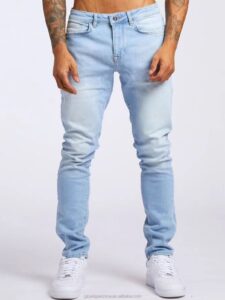
Skinny

Skinny jeans, often made with stretchy materials like cotton, offer a tight-fitting, slim-cut design that hugs the legs closely from waist to ankles.

Relaxed

On the other hand, relaxed-fit jeans provide a roomier cut, favored by Gen Z and aficionados in streetwear culture, making them a popular choice for comfort and freedom around the leg.

Boot Cut

For added flair, styles like bootcut jeans are shaped to drape over cowboy boots, a mainstay in Western clothing. These are fitted at the waist and hips, then gradually widen from knee to ankle.

Wide-leg

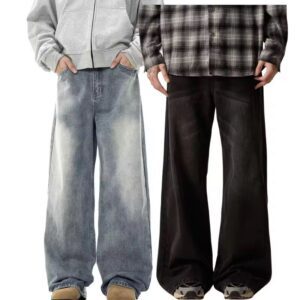
In contrast, baggy jeans and wide-leg jeans offer a voluminous fit and emphasize comfort and balance—often styled with slimmer pieces like a short trucker jacket, slim-fitting knit, or crew-neck T-shirt.

Flared

For those embracing a retro vibe, flared jeans and their cousin, the boot-cut jean, are making a comeback from the 1970s, boasting a high-rise waist and elegant silhouette. Pair them with a cropped bomber, vest, or wide-collar shirt, and you’re truly back in the game. Each fit offers something unique—from the shaped structure of a slim cut to the drama of a flare out design.

How Men’s Jeans Should Fit

Waist

Selecting the ideal jeans hinges on the fit above all else.Start with the waist—it should feel snug, with just slight tightness that will stretch as you wear them in. You shouldn’t need a no belt situation if the waist fits right off the rack.

Seat

For the seat, jeans should lightly hug your butt, sitting not too tight and definitely not baggy.

Thighs

Moving to the thighs, you should be able to pinch about 2 inches or 5cm of fabric—just enough room for comfort without looking sloppy.

Calves

At the calves, having a snug fit allows for a pinch of 1 to 2 inches (or 2.5cm to 5cm) on each side.

Hem

The hem is where details matter: aim for a half break or no break, with minimal fabric bunching at the ankle.

Tailoring Note

As for tailoring, the waist and thigh areas are expensive to tailor, so it’s best to find a brand where the area fits well off the rack. While some spots may be cheap and easy to tailor, others are hard to tailor and will cost more. A pair that fits better from the start will save you both money and hassle.

Best Jeans For Your Body Type

Skinny, Slim, Short, or Regular Build

If you have a regular build, are on the short side, or lean toward a slim frame, go for a slim-fit or slim cut that gently hugs the thighs, knees, and tapers to the ankle. Avoid baggy clothes that highlight slimness—a properly fitting pair of jeans creates better balance. Many brands use confusing cuts, so try them on; don’t assume skinny fit or skin-tight styles are appropriate.If you can squeeze more than 2 inches (or 5cm) of denim at your thigh or calf, it’s an indication that you should choose a smaller size, look for a different brand, or think about opting for a more fitted style. Avoid any straight fit that’s cut straight down—these pants tend to look looser, making you appear smaller, skinnier, or even shorter. If needed, skip the rush to the tailor, as legs taken in can be a high cost fix for a minor style change.

Larger or Muscular Build

If you have a larger or muscular build, your best bet is a classic pair of straight-legged jeans with a roomier thigh and calf to help fit properly and solve common frustrations. This cut balances your bottom half and upper half, avoiding the top-heavy look often compared to Humpty Dumpty. Avoid jeans with a taper, as they can throw off your proportions and make you look wider. If you are able to grab more than 2 inches or 5cm of fabric around the thigh or calf, consider trying a different style, brand, or opting for a smaller size before visiting the tailor. Having too much fabric means you might need the legs taken in, but tailoring can be costly, so start with the right fit to begin with.

Best Ways To Pair Jeans With Shoes

Low-Top Sneakers

Due to the profile of low-top sneakers, it’s really hard to mess this up—they’ll work with almost any cut. When it comes to denim shades or designs, you can generally choose any color or style you like, unless it’s entirely black. One caveat is that if you’re wearing white sneakers with dark indigo jeans, they might stain the tops. Simply immerse the pants in cold water for approximately 30 minutes to eliminate any leftover dye that might transfer, and then clean the shoes in specific areas if needed.

High-Top Sneakers

If you’re going to buy high-top sneakers and wear them with the hem going past the top, you should just get a low-top pair instead—it will literally look the same and low tops are more versatile. To do this well, either get them hemmed shorter, use scissors for a frayed style, or simply roll them above or below the cuff. Never roll more than twice, though, or you’ll have a really thick cuff at the bottom, which can throw off your look and feel very heavy.

Athletic or Running Shoes

There are two perspectives on athletic or running shoes, often referred to as trainers, and it varies based on their bulkiness. If they have a subtle and streamlined design, then opt for a comparable cut, similar to what you’d do with low-top sneakers, which implies that any cut is suitable. You can even cuff your pants for a sportier touch. But if they’re chunky, you should be a bigger guy, since these work best with straight-cut jeans to fit over thicker shoes. If you’re thinner, avoid the look unless you explicitly want that proportion.

Boots

Dress boots pair well with dark-wash or black jeans. Ensure your jeans have a minimal to no break to achieve a more refined and polished look.Stacking jeans—with lots of folds at the ankles—is like wearing tuxedo shoes with jogger pants. It doesn’t look good. Work boots, which tend to be chunkier, have a casual appearance and pair well with fading wash denim. You have the option to wear them with cuffs or without, and for a sleek jeans and bulky boot look, either roll them up or trim them to a shorter length, ensuring there’s no break.

Chelsea Boots

Chelseas, however, aren’t for everyone—if you’re a bigger guy, they can make you look like Humpty Dumpty with little tiny legs. Chelseas should be paired with slim jeans. For example, black leather or suede Chelseas work best with black or gray slim or skinny jeans, while brown or tan Chelseas with a gum sole look better with light blue or gray denim, possibly with distressing.

Desert and Chukka Boots

Desert and Chukkas work with almost any color and cut, but usually look best with a slight or no break. You can achieve this by cuffing or getting the jeans hemmed.

Dress Shoes – Oxfords, Derbies, Brogues, Wingtips, Monkstraps

Derbies feature a chunkier profile and are better suited for casual denim outfits. Black derbies match black or dark blue denim, while brown ones work well with medium blue. Sleek brogues are more formal, while hole-punched chunky brogues lean casual. Oxblood and black tones go well with black denim, while casual browns match indigo or lighter denim. You can also wear Oxfords with black or indigo jeans, especially if they’re slim and hemmed with no break for a sleek but less casual result.

Loafers & Penny Loafers

Loafers and penny loafers, due to their low vamp, should not be worn with wide leg openings, as that makes your feet look stubby. Instead, opt for jeans that are tapered, cropped, or even pin-rolled. Tapered jeans help balance the body, and if your build doesn’t support this look, it isn’t the right style. In terms of color, brown loafers go well with dark wash indigo, while black loafers look sharp with gray, black, or indigo denim.

How to Wash, Dry & Care For Your Jeans

Tips for Washing, Drying, and Maintaining Your Jeans 

To ensure your jeans have a long lifespan, you should wash them only when they have an odor or visible stains. Otherwise, air them out overnight or between wears and turn them inside out. This simple habit will protect the color, minimize fading, and help preserve the fabric. When it’s time to wash, always use cold water with a mild, color-preserving detergent. Refrain from using strong detergents or bleach, since they can weaken the fibers and harm the denim. Put your jeans on a gentle cycle, and if possible, wash them separately or with similar colors to reduce color transfer.Overwashing can cause your jeans to wear out faster, so it’s important to find a middle ground between keeping them clean and prolonging their durability. It’s generally recommended to wash after 5-10 wears or when visible dirt appears. This helps maintain their shape, overall quality, and color.

Drying

For drying, steer clear of the dryer. Instead, either hang them up to dry or lay them flat to avoid shrinkage. This method is the best for keeping your jeans looking and fitting their best. Using a dryer may ruin their shape and make them stiff or small.

Storage

Storing your jeans the right way is just as crucial. The ideal approach is to neatly fold them and organize them in a drawer or on a shelf. If you must hang them, use clip hangers to prevent creating creases or marks on the waistband, which can alter their fit over time.

The “do-not-wash” rule

According to Johan Lindstedt of Nudie Jeans, the best care rule is simple—never wash your jeans unless absolutely necessary. Let the indigo settle into the surface of the fabric through daily wear. This creates unique fades and brings out the magic of your denim’s character.

The one-pair-at-a-time concept

Lindstedt recommends having just one pair of unwashed-denim jeans, which are stiff and dark blue compared to washed, pre-faded types. Choose a pair you love, with a great fit, and wear them every day. Over time, your jeans will develop a unique look based on how you move and live in them.

The quick fixes

If your jeans need a little freshening, try leaving them out in damp weather for a few hours or pop them in the freezer overnight. For a deeper clean, use a lukewarm soak with a little detergent—no bleach or softener—and let them sit for about 30 minutes. Finish by stretching the inseam gently and letting them dry naturally.

Casual White Crewneck T-Shirt

One of my go-to outfit tricks when I’m short on time is starting with a white or heather t-shirt and a dark pair of jeans. It’s much easier to build a solid look from that base. I often layer a mid-wash trucker jacket or even an olive or navy bomber when it’s not too hot outside. If I want a bit more contrast, I’ll swap the black jeans with blue ones or changed the white shirt for a gray or navy version. This whole process feels effortless, especially when you’re trying to throw something together without overthinking.

Elevated Casual Blue Oxford Shirt

For slightly more elevated days, nothing beats a light Oxford shirt paired with blue jeans and white sneakers. It’s one of those timeless combinations that just works. When I’m going for a more casual yet refined look, I like to elevate the base with a bomber jacket or a blazer, depending on the weather. I’ve also rotated in loafers, chukkas, or a clean boot depending on the vibe. Each version keeps things flexible while still pulling the full outfit together.

Business Casual Charcoal Sports Coat

Now if you’re heading into a more business casual setting, that’s where layering really shines. I’ve worn a white Oxford shirt under a charcoal blazer with dark-wash jeans—a truly expert-level combo. Adding a brown belt and dress shoes or even chukka boots ties it all in. If you’re bigger or more muscular, pay attention to the cut of your jeans; it makes a huge difference in both comfort and look. Sometimes I swap in a sweater or ditch it altogether based on the weather. Either way, keep things polished, and don’t forget the lace-up boots if you’re after a rugged finish.


Men's Polo Shirts – The Ultimate Guide

Men’s Polo Shirts – The Ultimate Guide Powerful Fact

When clients come to me looking for a go-to garment, I often put them in a polo because it’s one of those rare pieces that bridge the gap between casual and semi-formal. In my years of working in style consulting, I’ve found few items as versatile and timeless as the polo.It’s not just for men—women too can explore different types and styles, as this classic shirt was designed for everyone. I’ve seen wardrobes grow in function just by adding a few shirts that are paired well and thought through. A comprehensive guide like this helps highlight the often-overlooked facets of the shirt—its history, how it can help your wardrobe, and how to get the most benefit from each owned piece. The comfort it brings during warm weather is unmatched, and the styling options make it an essential part of any closet. You’ll never regret investing time in understanding how to style your own collection. My personal go-to for smart-casual dressing involves a classic navy polo tucked into light khaki chinos—a look that consistently delivers subtle polish and practicality.

Men’s Polo Shirts – The Ultimate Guide Powerful Fact

Nail the perfect look with polos that fit right, feel great, and never go out of style. Express Stitch Industries brings you best polo shirts built to last.

Polo Shirt Mistakes Most Men Make

  • Many guys make the mistake of picking oversized or tight shirts—a proper fit should gently hug the arms and torso, avoiding any crumple, squeeze, or loose feel.
  • Avoid layering a polo with any undershirt, whether long-sleeved or short-sleeved, as it ruins the structure and comfort of the shirt.
  • Don’t wear your polo while laying around and expect it to hold shape—it’s a fitted shirt, not loungewear.
  • Choose small, tone-in-tone logos or none at all. You’re not a billboard, and large, visible, or atrocious logos only invite the wrong kind of attention.
  • Though some brands like Ralph Lauren still offer polos with loud designs, unless it’s your work uniform, it’s better to skip them.
  • A gray or heather polo hides dark, protruding, or even a visible nipple better than a basic white one.
  • Balance your proportions—the bottom hem should fall between your button line and your breast, matching the shape of your frame.
  • Don’t pop the collar—that outdated trend doesn’t look smart. Use sunscreen for protection instead.
  • Wearing a blazer over a polo can work, but only if the collar lays flat; otherwise, go with a proper dress shirt for formal situations.
  • Skip trying to make a fashion statement at a bar or acting like the teenagers in the crowd—instead, wear colors that complement rather than clash.

In sporting or active settings, choose a lightest, knit, soft shirt in cool tones to stay comfortable and appropriate.

Polo Shirt History and Evolution

The history of the polo shirt is both rich and surprising. It began in asia, where a game called polo was played for centuries before being introduced to europeans. When the british empire expanded into india during the middle of the 19th century, soldiers stationed in manipur observed the locals playing in traditional uniforms. These were worn during matches and were made of very thick cotton with broad collars, which were often loose and uncomfortable. To fix this, players adopted buttons to secure the collars. This small change would help define what we recognize today as the classic polo shirt. The british later took this concept back to europe, and it slowly spread, being refined over time into the modern shirt we know.

I learned early in my menswear journey how important understanding the roots of a garment is before recommending where and how to Choose Right Clothing Vendor. Knowing what makes a traditional polo and how it has evolved through examples like the Cut and Sew Manufacturer Services is essential for quality and fit. If you’re thinking of creating your own line, it helps to know How to Find Clothing Vendors who understand the history and importance of this item. Polo shirts have been through many versions, and each one tells a story—from ancient india to today’s global market. Though they may look different now, their DNA is still linked to that early adoption of practicality and style. The name “polo shirt” might even imply sport alone, but it represents a global style icon that’s closely tied to social shifts, textile tech, and even national identity.

The Best Polo Shirts

When choosing the best polo shirts, it’s important to consider not just the brand, but how they fit, the fabric, and their functionality. A quality shirt should fit like a glove—not too tight, not too baggy, but just right. From my experience working with clients, the best polos enhance your physique, hide small imperfections, and still look incredibly polished. Whether you’re dressing for a relaxed occasion or layering under a jacket, the versatile nature of polos makes them a wardrobe essential. Choose short-sleeved versions only—long sleeved polos have no place in a well-built wardrobe.

To find the perfect polo, take advantage of a few smart steps. Start with a clear list of what you need—price, fabric, and fit should all be part of your selection process. Buying without thinking through these factors can leave you with something that doesn’t feel functional or suit your style. Look for hallmarks of a great garment—breathable fabric, balanced cut, and durable construction. A good polo can be worn on multiple occasions and works well with other parts of your outfit. I always put together a guide to help my clients, compiling a quick, practical checklist to follow. When you make thoughtful choices, you’ll end up with polos that fall perfectly within your desired style and stand up to real wear. This is where leveraging your options and knowing what to look for really gives you an advantage.

Polo Shirt Color Selection

credits:mensfashioner

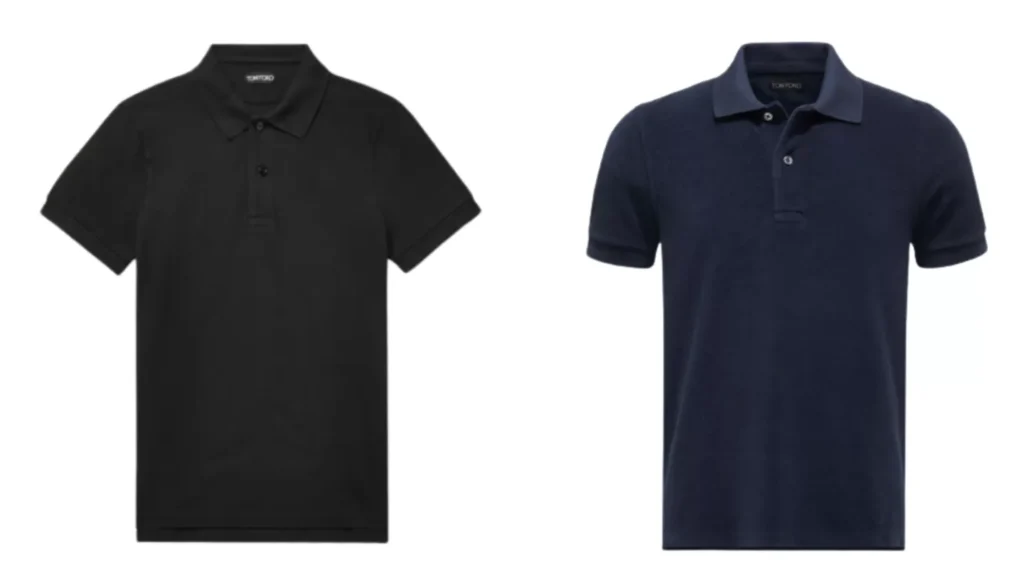
When it comes to choosing the best colors for your polo, you should always start with black and navy. These two shades give the most versatility and will complement nearly any skin tone or body type. I always tell clients to choose smart basics first—gray, brown, olive, or even heather can work well if you’ve already got your essentials covered. From there, you can go for brighter shades that look good on you, depending on your natural tone. The idea is to build a wardrobe where everything works together effortlessly and nothing clashes. That’s why I avoid prints like plaids, patterns, or stripes—they’re tacky, too much, and rarely age well.

You don’t need too many polos, but what you get should be strong in basic color foundation. Stick with what works, and don’t worry if you’re not sure what to try first—just choose pieces that match your lifestyle. Polos are already such a staple that it’s worth having a few that truly give you options for any day. If you’re building out a lineup, these core shades will take care of the rest, especially if you want to mix with jeans, chinos, or shorts. And definitely remember: some colors may seem bold, but if they don’t fit your overall look, they won’t help. I’ve universally found that those who keep it clean with color do it just right.

Choosing the Right Fabric
polo fabric

credits:mensfashioner

Understand the Fabric Basics

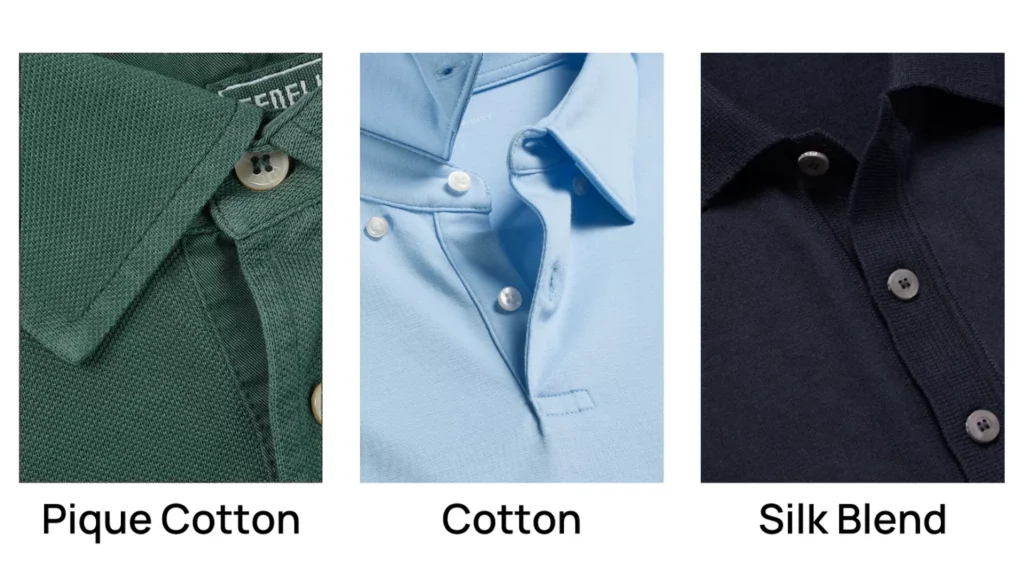
When selecting a polo shirt, your fabric decision can have a huge impact on how the shirt looks, fits, and feels. I’ve worked with many men over the years, and one thing is clear: choosing the right fabric isn’t just about price—it’s about how the material responds to your body, your style, and your lifestyle. Cotton is always a popular choice for its softness, breathability, and comfort, but it’s not without flaws. Cheaper types can fade, shrink, or develop pilling after a few washes. For a sleeker finish, silk or silk blends offer a more lustrous appearance, but they can be delicate, especially in high heat or moisture. Polyester and synthetic materials, often found in performance polos, bring benefits like moisture-wicking and odor control, but they may lack breathability and feel unappealing against the skin.

Match the Fabric to Your Frame

In my experience, guys with larger frames tend to benefit more from pique knit fabrics. The textured finish offers a subtle airbrushing effect, helping to mitigate any problem areas like the stomach or chest without clinging. On the other hand, slimmer builds can go for lighter, more flexible fabrics that highlight their shape in a flattering way. Linen and jersey knits, for example, have a casual, breathable feel, though linen tends to be rougher and better in blends. If you’re shopping on a budget, blended or poly-cotton shirts are more affordable, though they may feel stiffer or make you sweat more. I’ve found that you should avoid anything too tight or too heavy, especially if you’re prone to overheating.

Fabric Function and Lifestyle Fit

Always consider what your day looks like. If you’re mostly active, performance polos with tech features like UV protection, silver particles, or durable construction might be best. For a day at the office or weekend events, cotton pique or lightweight knits give you that clean, polished look without sacrificing comfort. The key is knowing when to use each fabric and how it aligns with your needs. Take the time to choose with intention, and your polo shirts will last longer, fit better, and feel great every time you put one on.

Sleeve Styles That Matter

When it comes to sleeves, most men are used to the short sleeved polo shirt—it’s the preferred option today and the standard in contemporary menswear. But that wasn’t always the case. The original polos were long sleeved, a style that made a quiet resurgence in recent decades, especially with standout pieces like the Friday Polo by Luca Avitabile. I’ve personally enjoyed seeing this shift, as the long sleeve offers a greater range of style for cooler seasons or more formal looks. Comfort and movement are key, and the kind of sleeve construction you choose makes a difference. The two most commonly seen types are set-in and raglan sleeves. Set-in sleeves have a seam at the shoulder and sit flush with the trunk of the garment, creating a clean silhouette.

Choose the Right Sleeve for Your Fit and Function

  • The raglan sleeve extends in a single piece to the collar, forming a diagonal cut across the shoulder.
  • This design reduces stress on the joint, offering greater flexibility—perfect for casual or sports use.
  • It’s often employed in higher-end polos because of its functional and stylish benefits.
  • Over the decades, I’ve seen that well-made classic sleeve styles remain relevant when thoughtfully revived.
  • There are many types and variations, from rugby shirts to polos with modern cuts, showing the sleeve is a subtle but important detail.
  • A good sleeve affects how the shirt moves with your body, how it holds shape, and what it adds to daily wear.
  • Understanding construction, fit, and style will guide you in choosing what works best for your lifestyle and the occasion you’re dressing for.

Collar Construction

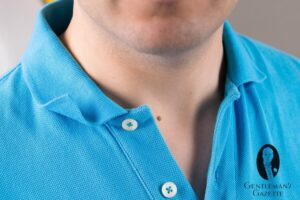
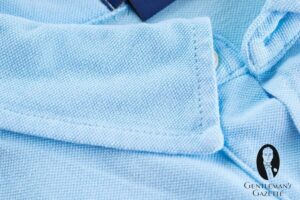
  • Most polo shirts feature a soft, ribbed collar designed to encourage airflow, but they can become flimsy, wrinkle, or curl at the edges over time.
  • I’ve found that some companies offer adhesive stays to fix this problem, but they often don’t work well.
  • If possible, opt for a collar that comes with interlining, which gives a more genuine, neater, and trimmer appearance.
  • These collars appear sharper and are better suited for more refined styling, especially when clean lines matter.
    collor polo

    Sewn-Shirt-Collar-Style-900x600

    credits:gentlemansgazette

  • You can also select different types of collars, such as set or broadly set, for expanded options and better fit.
  • Designs that are similar to traditional dress shirts often hold their structure better and enhance overall style.
  • In my experience, the collar can affect how you feel in your outfit—it’s a subtle but good way to boost confidence.
  • We always recommend shirts that actually perform well and last, especially if you wear polos often.

Identify a Quality Polo by the Buttonholes

buttons
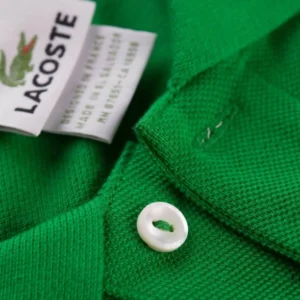
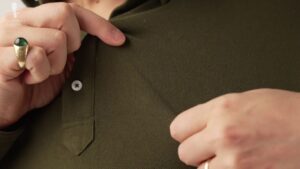
One of the easiest ways to assess the quality of a polo shirt is by looking at its buttonholes. A well-made buttonhole should be neat, tidy, and free of loose threads, whether it’s machine-sewn or hand-sewn. I’ve seen plenty of shirts with poorly-made holes that are distorted or messy, and that always takes away from the overall appearance. You should always expect a clean cut, and ideally no fraying around the buttonholes. Many of the best polos leave the top 1-2 buttons unbuttoned, which not only frames your face better but also looks stylish and relaxed. If you find lots of dangling threads or uneven stitching, that’s a red flag in the construction. The way a brand handles small details like buttonholes says a lot about the care they put into the garment. In my experience, those that have great, strong finishing at the placket tend to be the ones you’ll still be wearing with pride seasons later. You want a shirt that will be solidly built and last, not fall apart while you’re leaving the house.

Pocket Functionality

no pocket pocket
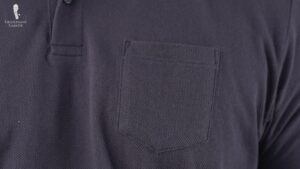
While some polo shirts come with a breast pocket as a design feature, I usually suggest skipping it unless you actually plan to carry something small, like your sunglasses. In most cases, a superfluous pocket doesn’t add value and can spoil the clean lines of the shirt. Over time, especially with age and wear, these pockets often become saggy, wrinkly, and lose their shape. From what we see, the pocket can start to drag the fabric, making the shirt look sloppy rather than polished. So, if you are planning a sharp look, it’s better to avoid anything that they don’t need to be there. A polo is all about streamlined style, and your outfit will look sharper with a neat front—no pocket, no problem.

A Note on Tails

note on tail
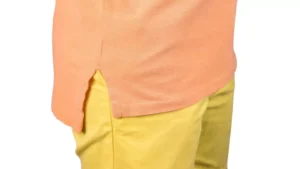
Back when polo shirts were first designed, they had a longer tail in the back, often called a tennis tail, meant to keep the shirt tucked during play—a detail that contributed to their sporty appearance. But in modern styles, most designers are getting rid of this feature, and to be honest, I think that’s a plus. From what I’ve seen, that extended part can look off, especially if it’s more than 2 inches longer than the front, which it often is. I advise you to skip the tail altogether—99.9% of the time, it just doesn’t look great. If your polo has one, make sure it’s modest in length, but even then, I usually tell clients to get one without a tail. This is because that extra flap doesn’t help your style, and in casual wear, you want your outfit to feel natural. The tail may have worked originally, but now, it doesn’t fit with how you move or dress day to day. And if you’re like me, you’ll really appreciate a cleaner hem that keeps things simple and sharp—no fuss, just a solid, well-fitted shirt that works for any time or place.

Everyday Polo Outfit Ideas

If you’re thinking of new ways to style a polo, there are many great outfit ideas that work for different occasions, from business to casual, or even sporty looks. For a casual day out, I recommend pairing a classic navy or white polo with chinos or jeans—add sneakers, loafers, or sandals depending on your mood and the weather. To smarten it up, throw on a blazer or bomber, and if you want to layer, go with a light jacket. For those warmer months, shorts work well, and for cooler settings, tailored trousers or dark wash pants can bring a more elevated style. A belt and a clean pair of low-top or no-show socks will give that polished finish. If it’s hot, swap the fitted shirt for a performance or athletic cut to stay comfortable.

Dress It Up: Polo in Business & Semi-Formal Looks

For a business casual approach, I suggest a charcoal suit or gray wool trousers with a custom polo tucked in—add dress shoes, heels, or flats if you’re a woman, and don’t forget minimalistic jewelry for a more refined touch. This works really nicely for events where you want to look formal, but not too overly dressed. From my experience, the right combos of color, style, and confidence are what make an outfit perfect. Whether you’re heading to work, wondering how to mix your wardrobe for a semi-formal evening, or just trying to look your best, there are always stylish ways to make your polo a standout piece. Just avoid over-accessorizing, and remember: fitted always looks better than overly loose.

Caring for Your Polo Shirt

  • To extend the life of your polo shirts, follow proper care routines that help maintain the fabric.
  • When washing, always choose cold water, a gentle cycle, and avoid harsh detergents that can damage the quality.
  • The best drying option is air, but if you have to use a dryer, select a low-heat setting to protect the material.
  • After washing, either fold neatly or hang your polos to avoid wrinkles.
  • Store them in a cool, dry place, away from direct sunlight to prevent fading and preserve durability.
  • I’ve found that small steps like this really help to maintain the shirt’s original look and keep it looking its best.
  • Skipping these steps or using harsh treatment will wear your shirts out faster—so use the right approach and treat your polos with care.

FAQ

It’s actually both. The word “polo” refers to a classic style of shirt featuring a collar and buttoned placket. At the same time, “Polo” is also a famous clothing brand by Ralph Lauren, which popularized this shirt style worldwide.

A polo shirt and a regular t-shirt may seem similar, but they are quite different in style and use. A t-shirt usually has a round neckline, no collar, and no buttons on the front. It gives a relaxed and casual feel.

On the other hand, a polo shirt typically has a collar, also known as a polo collar, and a placket with buttons on the front. This gives it a more polished look. It’s often referred to as a smart-casual shirt, allowing you to wear it in formal or semi-formal settings.

The polo shirt looks neater and more stylish with its design. The collar helps it stand out compared to the plain t-shirt. That’s why many people choose polos when they want to look good without wearing a full dress shirt.

In my own experience, switching from a t-shirt to a polo shirt made me feel more confident. It’s still comfortable but looks much better, especially for outings or casual workdays.

Men's polo shirts have a casual feel and are typically worn in relaxed settings, not for formal occasions. They aren’t suitable for a suit or dress shirt combo but work for business-casual dress codes. These items aren't smarter or dressier, just a step above a regular shirt.

The best brand for a polo shirt really depends on what you need it to do. If you expect high quality, be ready to pay more for luxury brands that use expensive materials and offer attentive, constructive design. In my opinion, such polos feel like an iconic item in menswear, especially when the value is clear at that price point.

Some brands offer great value, while others focus on making their polo shirts status symbols. I always determine what matters more to me—style, comfort, or durability—before choosing. To help you explore, check out us extensive series like “Is It Worth It?

A pique polo shirt is made from woven cotton fabric that has a textured surface and a breathable quality. I like it because it feels cool and lasts long, unlike smooth polos.

what is sublimation printing

What Is Sublimation Printing? Discover the 4 Magic Steps

What is sublimation printing? When I first got into sublimation, I was amazed by how this technique could create such vibrant, long-lasting designs on everyday items. Unlike traditional printing, this method uses gas to infuse ink directly into materials like fabrics, plastic, metal, glass, and even ceramics. The process feels almost magical — colors don’t just sit on the surface, they become part of the products. Whether you’re working on custom t-shirts, mugs, tumblers, mouse pads, or signs, the results are consistently sharp, with zero crack or fade even after extended use. This makes it a top choice for personal gifts or commercial offerings alike.

Having worked with both Cricut and Infusible Ink in various projects, I’ve seen the versatility of sublimation stretch across home décor, clothing, and textiles. Since its introduction in the 1950s, this printing method has evolved into a go-to solution for the print-on-demand industry, offering unmatched customization and high-quality output. For small businesses, the ability to deliver stunning, excellent products with rich details has transformed how they approach personalization. With the appropriate tools and gear, newcomers can venture into this imaginative realm and investigate various applications.In my experience, having the freedom to design and experiment with materials has been one of the most fulfilling parts of the journey.

What Is Sublimation Printing? Discover the 4 Magic Steps

Sublimation printing is a process where heat turns ink into gas, bonding it permanently with fabric for vibrant, lasting designs. The 4 key steps include creating the design, printing it onto special paper, applying heat and pressure, and transferring the image onto the fabric. This method is ideal for full-color, fade-resistant prints. At Express Stitch Industries, we offer professional sublimation printing to help bring your custom apparel to life with brilliant, durable results.


How the Sublimation Process Actually Works

In my experience, the magic of sublimation lies in how heat, pressure, and time transform a design into a permanent, vibrant part of the product. You start with special paper and inks made specifically for this technique. Once your artwork is printed, you use a heat press to apply the right temperatures, turning the solid ink into gas through a chemical reaction called a phase transition. The gas then bonds into the polyester or polymer coatings on the fabric, ceramic, or enamel, becoming part of the materials instead of just sitting on top like in traditional screen printing. This fusion makes the print resistant to crack, peel, or rub off and ensures it stays bright and realistic over time.

I’ve used this process for t-shirt, mug, and mousepad designs, and I’ve seen how well it works on polyester-coated rubber and synthetic substrate too. The image becomes embedded, delivering high-quality, crisp results that last even after repeated washing. You’ll notice how the coating helps the dye fully absorb, keeping the print durable and resistant. It’s amazing to see a digital file become a real-life product with such clean color and no fade. If you’ve ever held a well-done sublimated t-shirt or mug, you’ll know just how immersive the final piece can feel.

Step-By-Step Sublimation Printing Process

Step 1: Design the Image

Whenever I begin a sublimation project, I start with Step 1: Design the Image. Creating a good design is more than just visuals—it’s about precision. I use software that allows me to mirror the image, ensuring it’s properly flipped before printing. This matters because when you transfer the design, it appears in reverse if not mirrored. I always choose high-resolution files to maintain clarity in the final print. Once the design is finalized, it’s time to move on to the next step.

Step 2: Printing the Design onto the Sublimation Paper

Printing the Design onto the Sublimation Paper is where the digital idea begins to become physical. I carefully load the sublimation paper into my printer, making sure settings are accurate. This is important because paper alignment and ink flow affect the final result. The design is printed in reverse using sublimation ink, which is formulated to become gas under heat. It’s a small but critical stage in achieving a vibrant and permanent print.

Step 3: Positioning the Design on the Substrate

Next, comes Positioning the Design on the Substrate. I always double-check that the design is correctly aligned on the substrate—whether it’s fabric, polyester, or a coated item like a mug. For uneven or curved surfaces, I use heat-resistant tape to prevent any movement during pressing.

Step 4: The Sublimation Printing Process

Then I go into The Sublimation Printing Process itself. I preheat my heat press to the exact temperature and set the time according to the material type. With the right pressure, I press the design into the surface, watching the magic happen. After cooling, the paper is peeled away to reveal a durable, embedded, and truly eye-catching final result.

What Can You Sublimate On?

After years of working with sublimation and seeing how it transforms everyday objects, I’ve come to appreciate its unmatched flexibility. This printing method stands out in the world of customization because it doesn’t just sit on top of a surface like traditional methods. Instead, it embeds the designs deep into the fabric or material. From apparel to home goods, sublimation unlocks a new level of personalization that’s both durable and long-lasting.


Sublimation in Apparel

When it comes to apparel, the possibilities are truly exciting. Whether it’s t-shirts, hoodies, or sweatshirts, sublimation lets you apply vibrant, bold patterns and photos that remain bright and won’t fade over time. I’ve seen shirts, leggings, dresses, and even swimsuits transformed into walking art pieces. The method works best on polyester fabrics, allowing for seam-to-seam coverage without constraint on the printable area. That’s what makes garment customization with sublimation so powerful—it doesn’t crack or peel, even with frequent use.

Customized Home Décor

Beyond clothing, sublimation is perfect to enhance your living space. I’ve personally custom-designed pillowcases, fleece blankets, and even coasters for clients who wanted their favorite artwork or quote printed onto everyday items. These aren’t just decorations—they’re statements. Think table decorators, stylized details, or eye-catching prints on special surfaces that have a coat to help the design last. With customized home décor, the look is not only unique, but it also feels professional and polished.

Endless Creative Possibilities

My favorite part of this process is how many accessories it can be applied to. Phone cases, polyester hats, tote bags, and even socks can be custom printed with images, logos, or names. I’ve worked with both businesses and individuals to create keychains, decorated drinkware like tumblers, mugs, and cups, and other products that reflect true personality and taste. Thanks to coated surfaces and high-quality results, these prints resist fading and offer endless creative possibilities. It’s not just about function—it’s about expressing life through the essentials we use every day.

Understanding Its Limitations

While sublimation is an excellent technique for producing vibrant, long-lasting prints, it does come with certain limitations that every creator should understand. First, it works best on polyester materials or blends with synthetic fibers, as natural fabrics like cotton, silk, and leather don’t hold the dyes well. This means the print may not appear as bright or durable on these fabrics. Another limitation is that white ink isn’t used in sublimation. So, the designs rely on the background color of the products—blank, light surfaces produce the sharpest results, while black or dark-colored items often appear dull. The final result can really depend on how the color of the fabric interacts with the ink, which is something I’ve learned to work around over time.

There are also technical factors. If a garment is folded or parts remain uncovered, it can lead to creasing and white streaks, especially when aiming for full seam-to-seam coverage. Using a cut and sew technique often ensures better print quality and avoids these flaws. Additionally, sublimation requires specialized equipment like inks, printers, and other printing processes that may not be useful for different tasks. It’s important to know which tools are needed, and how to use them properly to avoid waste. These aspects affect how well your project will turn out and should be factored into your workflow.

Comparing Sublimation, Screen Printing, and DTG

When it comes to custom printing, each method—sublimation, screen printing, and direct-to-garment (DTG)—has its strengths, depending on the material, designs, and business needs. Sublimation works best with polyester and synthetic fabrics or blends, offering photorealistic images, vibrant colors, and smooth gradients. The dye transfer process embeds ink into the fabric, creating washfast, abrasion-resistant prints that won’t fade, crack, or peel over time. It gives seam-to-seam coverage and a full garment print area—something I’ve found especially valuable for bold apparel designs.

The Process and Use Cases

Screen printing, on the other hand, uses a stencil-based ink application with screens and is better for solid or fluorescent colors. It’s highly efficient for bulk orders but involves a time-consuming setup with multiple stencils and longer preparation. While the prints are strong, they can fade or crack with repeated washes. Still, it’s a reliable method for natural fabrics like cotton, linen, and rayon, and suits large-scale branding well if the designs don’t require too much detail.

Which Method Fits Best?

DTG brings in digital inkjet printing, offering high-resolution, intricate designs and full-color capability. It’s great for small runs, custom jobs, and on-demand orders where a quick setup and minimal waste are crucial. It can work on any color of fabric, including dark ones, though the stability of the prints may depend on pretreatment and fabric quality. From my own experience, DTG is ideal for niche products with low per-unit cost-effectiveness concerns, while sublimation remains the top choice for all-over garment designs on light-colored fabrics. Choosing the right method really depends on your production goals, speed, budget, and material type.

Final Thoughts

From my own experience, sublimation is not just a printing method, it’s a smart choice for anyone wanting to bring unique designs to life. It offers seamless, edge-to-edge coverage that’s perfect for all-over-print products, whether you’re designing custom apparel or stylish home decor. It works best with lightweight synthetics, and with the right techniques, you can achieve vibrant, lasting results across various material types. The ability to produce high-quality finishes makes it ideal for people who care about detail and creativity in their work.

If you’re ready to sell, I recommend setting up an online store using a reliable Product Creator to make the process much easier. You can select blanks, customize them, and start creating almost effortlessly. Having the right accessories will refine your workflow, keeping production smooth and consistent. With sublimation, you’re not just making things—you’re opening up endless creative possibilities that are right at your fingertips.

RELEVANT: What Is Screen Printing? 5 Powerful Facts
RELEVANT: Choose Right Clothing Vendor: 10 Positive Steps for Success


FAQ

Unlike standard printers, sublimation printers are built to work with special inks and transfer paper that allow designs to bond permanently with materials. Some people try converting regular printers, but for high-quality, reliable results, it's best to go with trusted brands like Epson or Sawgrass. These industry favorites are designed specifically for sublimation and consistently deliver long-lasting, professional-grade prints.

Sublimation printing lasts longer because it embeds dye into the fabric, preventing fading, cracking, or peeling. Screen printing is durable too, but may wear over time if not properly maintained.

Sublimation printing doesn’t work directly on dark fabrics, as the ink needs light-colored material to show up. However, it is possible by first applying a special white vinyl base. This layer allows the sublimation ink to transfer properly, making the design vivid and visible on dark surfaces while still delivering high-quality, lasting results.

Not by itself—Cricut machines aren’t sublimation printers. However, you can still use them in your sublimation workflow. By using the Print then Cut feature in Cricut Design Space, you can print your design with a sublimation printer and then use your Cricut to cut it precisely using registration marks. This combo allows for clean, professional-looking sublimation projects with detailed edges and custom shapes.

It really depends on your project and material. Sublimation is ideal for detailed, vibrant designs that last, as the ink fuses directly into the fabric—making it flexible, fade-resistant, and highly durable. Vinyl, while useful for certain applications, rests on top of the material and may crack or peel over time, especially with frequent wear or washing. For long-term quality and design complexity, sublimation usually comes out on top.

WHAT IS SCREEN PRINTING

What Is Screen Printing? 5 Powerful Facts

Screen printing is a popular technique for applying designs to various surfaces by forcing ink through a fine mesh that is stretched across a frame.The fabric of the screen has a stencilled design, where certain areas are blocked and impervious, so only the intended image passes through. This process is commonly used on canvases, posters, artwork, fabrics, and textiles. Traditionally, the mesh was made of silk, but modern screens are made from synthetic materials like terylene, supported by metal or wooden frames. Known also as serigraphy or silk screen printing, this method is widely used in industries to create custom clothing and other products.

From my experience, screen printing produces bold, vibrant colors and unique, durable results. The forced movement of ink through the screen ensures precision and high-quality finishes on almost any surface.

What Is Screen Printing? 5 Powerful Facts

Screen printing is a reliable technique where ink is forced through a mesh stencil to create sharp, vibrant designs on various surfaces. It is known for producing bold, long-lasting results that stand out, particularly on fabric.This method is incredibly versatile, allowing for custom designs with multiple colors and detailed finishes. Its durability makes it ideal for clothing, accessories, and promotional items, especially in bulk. Thanks to its reliability and high-quality output, screen printing remains one of the most powerful and trusted methods in the custom printing industry.

At Express Stitch Industries, we proudly offer professional screen printing services tailored to meet your design and production needs. Whether you’re ordering custom apparel for a sports team, business, or event, our expert team ensures each piece reflects quality, durability, and attention to detail.

Why Screen Printing Remains a Go-To Method

In my experience, screen printing is a favored method because it works across a wide variety of surfaces like fabrics, paper, and even custom clothing. The method uses a mesh and stencil to apply ink or paint onto a surface, creating a clear and durable impression of the design.Its popularity comes from its ability to print multi-colored images with various shades, even on darker fabrics where some other methods might fail. The final product has a tactile quality—a unique look and feel—especially when done with professional equipment.

The process is also ideal for bulk production. I’ve used it to produce garments, accessories, and work uniforms for sports teams with speed and reliability. It’s incredibly efficient, capable of reproducing complex designs quickly and with intense coloring, even in large quantities. Skilled printers can replicate the same artwork easily using the original stencil, which is why it’s still a cost-effective choice for producing multiple copies without compromising on quality.

While there’s always a bit of a challenge when it comes to complexity, like managing the number of colors or aligning intricate details, an experienced printer can still create intricate visuals that are both vivid and made to stand out. With the right approach, screen printing balances creative control and commercial scale like few other methods can.

Will the Ink Wash Out?

If a screen printed item is done professionally by a trained professional using correct, heat-treated, and washable ink, it should not wash out. The process involves several important elements, like following the manufacturer’s guidelines for drying, temperature, and timings. When the printer uses the right type of proper fabric, the product will have a colourfast finish that lasts. With proper care and by following instructions, the garment will maintain its design without fading or washing away.

The Screen Printing Process Step by Step

The screen printing process begins with selecting the right mesh screen, which is often based on the texture of the fabrics and the stylistics of the design. The printer then prepares a light-reactive emulsion, coating the screen with it carefully. This emulsion will later harden when exposed to light, allowing for the creation of a custom stencil. Using a transparent acetate film, the design is transferred onto the coated screen by placing the film directly over it and shining a bright light. This part of the technique is a basic, yet essential step in the method, commonly used in commercial and custom printing setups.

Developing the Stencil

Once the light has hardened the emulsion in the uncovered areas, the remaining unhardened parts are rinsed away, revealing the stencil with all its sharp, clear, and intricate details. These steps are vital to getting an accurate and precise imprint on any surface—whether it’s a shirt, poster, or any other product. The design now appears as open areas on the screen where the ink will be pushed through. At this stage, the screen is dried and checked for any imperfections, and touch-ups or corrections are made if necessary to ensure the stencil is ready for printing.

Setting Up the Press

The screen is then positioned on the press, with the garment or item placed directly underneath it, laid flat on the printing board. Depending on the job, the setup may use manual or automatic machines—like a rotary carousel—which help in applying multi-coloured layers. Each colour is handled on a separate screen, with all screens aligned to create a seamless, matching finish. The ink is added to the screen and pulled across using a squeegee, pressing it through the open parts of the stencil. This process is repeated with multiple screens as needed, depending on the complexity of the design.

Curing the Print

As the job progresses, each layer is applied carefully and quickly, and the screen is raised and lowered for every item. The process is both efficient and detailed, ensuring that each printed garment is of the same quality. After the ink is applied, the product goes through a dryer, where heat is used to cure the ink. This results in a vibrant, colourfast finish that guarantees the design will last.

Final Touch and Delivery

In my own shop, we often show a behind-the-scenes video of this process in real time. It helps customers understand the steps we follow to deliver top-quality, custom clothing. Every job, whether big or small, is done with attention to durability, clarity, and finish—helping each design truly stand out.

Screen Printing vs. Digital Printing: Key Differences

When comparing screen printing with DTG digital methods, the difference lies in how the image is transferred to the fabric or textile. Screen printing uses a stencil to apply solid blocks of ink in each layer, creating bold, long-lasting designs with deep color and texturised effects. This method is great for high intensity and colourful results on clothing, but it often requires a complex setup that may not be as cost-effective for small batches or individual items. However, it truly achieves a level of vibrancy and finish that stands out, especially on darker materials.

On the other hand, DTG digital printing uses a computerised process, much like a printer or inkjet computer, where the image is printed directly onto the fabric. This allows for multiple colours, photographic and highly detailed designs to be created using CMYK dots instead of thick layers of ink. The method simplifies the workflow and is ideal for faster results on smaller orders, but it may lack the strong tactile effects and depth that traditional screen printing delivers.

Silk Screen Printing vs. Heat Transfer Printing

The biggest difference between screen printing and heat transfer is in how the design is applied to the fabric.Screen printing is a dynamic technique that pushes ink through a stencil onto textiles, creating vibrant and long-lasting prints.In contrast, heat transfer uses paper that’s coated with adhesive and then pressed onto the material using sublimation or heat-reactive techniques. A heat press is used to bind the printed design securely, making it a better option for smaller batches or personalised items like bags, hats, or footwear, where traditional screen printing might not work well due to the product’s shape.

Thanks to advancements in digital technology, many businesses now combine heat transfer with computer-based software for precise results. The design is first printed on white paper, then cut with a plotter machine, following a digital outline for an accurate fit. Once placed on the garment or accessory, it is heat-treated to improve durability. Still, the quality can vary depending on the materials and printers used. Poor processes and low-quality tools have sometimes given heat transfer a shoddy reputation. But with proper care and by using premium, soft-feel materials and state-of-the-art systems, it’s possible to achieve high-quality results, making it a confident choice in today’s market.

The Evolution of Screen Printing

The evolution of screen printing began as an ancient art form, first pioneered in China around AD 950. Early artists used this technique to print patterns on fabric, making it one of the oldest known printing methods.For hundreds of years, Japanese craftsmen honed the skill of forcing ink through a mesh made of human hair with a rigid brush.This was applied onto paper and fabric, marking the early stages of a process that would become both decorative and functional.

By the 18th century, the process reached Europe, although it remained limited due to the high cost of silk. The Silk Road later made imported silk more affordable, turning the craft into something more popular and eventually profitable. In the early 20th century, printers introduced photo-sensitised emulsions, making stencil creation more complex but also easily reproducible. In the 1930s, artists began experimenting with it as an artistic medium, calling it serigraphy to separate it from industrial use. By the 1960s, names like Eduardo Paolozzi and Andy Warhol brought it into fine art, using it to produce pop-art with multiple copies of a single image.

Today, screen printing is both an artistic and commercial process, used to reproduce hundreds or even thousands of custom clothing pieces. In my own experience, companies like Custom Planet use top-of-the-range equipment and a professionally trained team to deliver the best results in the market. Whether you’re creating personalised promotional products for a business, a sports team, or a band, the blend of tradition and innovation keeps screen printing relevant. Helpful guides, smart designs, and a clear process help beginners and experts alike to continue pushing the boundaries of what this craft can achieve.

Summary

Screen printing is a versatile process ideal for applying designs to various surfaces, including wood, glass, metal, paper, and plastic. It’s especially useful when working with darker-colored fabrics, allowing for bold and vibrant results.One major benefit of screen printing is the ability to reuse a stencil multiple times in a row, making it an ideal option for bulk orders.

Whether it’s for Athletic Teams, E-Sports Teams, Clubs, Schools, or businesses, screen printing services consistently deliver high-quality results. It’s perfect for producing everything from Spirit Wear and Event Merchandise to Personalized Gifts and branded products. This method supports custom prints in large quantities, across a wide range of items like bands uniforms, gyms, restaurants, cafes, summer camps, and even wedding groups or birthday celebrations.

From T-shirts and sweatshirts to small projects for volunteer groups, screen printing is a cost-effective, flexible solution. In my experience, it has always met the demands of both casual and commercial use. With endless creative possibilities, screen printing continues to stand out as one of the most reliable methods in the industry.

RELEVANT:Important Strategies to Find Clothing Vendors: 20+ Options
RELEVANT:10 Proven Cut and Sew Manufacturer Services!

FAQ

It depends on your fabric and design needs. Screen printing is ideal for bold, solid-color prints with one or a few colors. On the other hand, sublimation is better suited for detailed, vibrant designs with gradients or photographic elements, especially when complex artwork is involved.

When applied to high-quality materials and properly cared for, screen prints can last for years. Whether it's a T-shirt, hoodie, or other apparel, the longevity of the design depends on how it's worn and maintained. Typically, well-executed prints can withstand dozens of washes without fading or cracking. To preserve their vibrant look, wash in cold water, use mild detergent, and avoid high heat during drying. With the right care, your screen-printed clothing can stay bold and fresh far into the future.

Yes, in most cases. Screen printing typically involves a higher upfront cost due to the need for specialized equipment, screens, and inks. While it delivers long-lasting, high-quality results, the setup can be costly—especially for beginners. In contrast, heat transfer is more budget-friendly, requiring only a heat press, transfer paper, and ink, making it a simpler and more accessible choice for those just getting started.

Its popularity comes from its incredible versatility and durability. Screen printing works across various surfaces—plastic, metal, glass, and fabric—making it ideal for everything from custom apparel to industrial applications. It’s especially valued in manufacturing for its precision, often used in creating printed electronics and circuit boards. Whether for fashion or function, screen printing stands out as a reliable and adaptable method.

VARSITY JACKET HISTORY

Varsity Jacket History: Reliving the Glorious Glory Days

Varsity Jacket History shows that the varsity jacket is more than just outerwear—it’s a garment that carries a timeless charm, seen in movies, on streets, and in countless places over the ages. Worn by people of all genders and races, its popularity stems from a diverse purpose, whether as a school staple or a bold fashion statement. What makes it truly iconic is how it continues to compete with modern trends, holding its star status through evolving style. Often worn on any occasion, from walking around town to a public event, the jacket inspires confidence with its personalized design, vivid colors, meaningful patches, and the story each one tells. Its unique connection to culture makes it a cherished item that many still flaunt proudly today, and that’s the real reason it remains a fashion legacy.

Varsity Jacket History: Reliving the Glorious Glory Days

Varsity Jacket History dates back to 1865 at Harvard University, where the baseball team first wore letterman sweaters. Over time, these evolved into wool and leather jackets symbolizing athletic achievement, pride, and school spirit—becoming a lasting icon of youth culture and American tradition.
Varsity Jacket Historycredits: lastwolf.us
The Meaning Behind Varsity Jackets

Category Keywords
Core Concepts symbol, achievements, identity, style, recognition
Educational Context school, high school, curricular, extracurricular
Sports & Team Spirit athletic, team, spirit, dedication, competitive, games
Fashion & Expression fashion, styles, self-expression, stylish, appeal
Social Settings worn, casual, outings, events, settings
Cultural Impact pride, embraced

The Legacy of Athletic Varsity Jacket

The athletic varsity jacket has a deep-rooted history that begins at Harvard, where it was originally invented for baseball players to wear on the field as a symbol of glory and achievement. The bold letter sewn onto each uniform became a highlight, proudly symbolizing a player’s dedication, hard work, and commitment to their team. This powerful image quickly turned into a trend, spreading across America and making the garment an essential part of sports culture. The jacket was no longer just clothing—it became a ritual of pride, reserved for champions who earned their place through effort and teamwork.

Over time, even spectators and fans embraced the varsity jacket, wearing it to root for their favorite teams. Its reach expanded into everyday fashion, proving its widespread appeal. From loyal students to iconic athletes, this timeless piece grew to represent not just victory but personal identity. It connects people to a shared legacy, a piece of history that still lives on in the sportswear world today. Its excellence continues to inspire across generations and remains a celebrated part of both team pride and global culture.

The Prestige of High School Varsity Jackets

A high school varsity jacket is more than just a garment—it’s a powerful symbol of success earned through hard work and personal achievements. Worn by students, from college achievers to rising stars in academics, sports, and extracurricular activities, the jacket serves as a visible badge of honor. Its bold letter placed on the chest becomes a proud mark that signifies not only excellence but also a sense of belonging and recognition within the school community. This item is about more than just clothing—it represents a student’s dedication and consistent contributions throughout their academic journey.

For many, the varsity jacket becomes a lifelong keepsake, reminding them of the meaningful journey they took through school. It is often given as an award—deserved only through relentless effort and deep passion. As someone who’s witnessed countless schools acknowledge and appreciate their students’ efforts, I can say the jacket holds a lasting place in school culture. It preserves their legacy, stays alive in memory, and remains a timeless emblem of honor and pride for years to come.

The Rise of Fashion Varsity Jackets

Once known mainly as schoolwear, the varsity jacket has evolved into a full-blown fashion icon with a bold, androgynous silhouette and glorious appeal. From the 1950s to the 2000s, it ruled runways, appeared in music videos, starred in movies, and became an American symbol of pop culture. Its timeless style continues to gain worldwide attention, thanks in part to powerful celebrity influence. When figures like Princess Diana and Taylor Swift wore it with effortless charm, the varsity jacket gained even more ground as a star of modern outerwear, keeping its evergreen status in the fashion world.

Its lasting popularity has proven strong, refusing to fade through changing trends. The adaptable design has led to countless customized variations, giving individuals the chance to make a personal statement. Whether worn casually or styled as a bold piece, the varsity jacket is more than a passing trend—it has transcended decades, earning a solid place in every modern wardrobe as an essential piece that speaks to both identity and style.

Customization Options

Thanks to EXPRESS STITCH INDUSTRIES, creating a varsity jacket that matches your exact style and personality has never been easier. With endless customization options and choices, you can select from materials like wool, leather, polyester, satin, cotton, or faux leather, all paired with complementing colors to elevate your design. The fit is fully adjustable for comfort, with size tailored to your preference. Features include button or zip closure, sleeves in varied styles such as set-in or raglan, and lining crafted for custom comfort. An optional hoodie makes it ideal for the cold season, turning this piece of outerwear into more than a garment—it becomes a personal feature you proudly wear.

The True Final Purpose of a Varsity Jacket

A varsity jacket may begin as outerwear, but over time, it grows into something with deep meaning for the one who wears it. Whether it’s part of a school uniform, a jersey for a team, or a high-fashion outfit, its versatility allows it to fit into any wardrobe as an essential piece. It’s not just stylish in appeal—it holds sentimental value, helping individuals stand out while staying connected to their personal achievements. It becomes a symbol of identity, telling a story of style, success, and proud moments in academic, sports, or life endeavors.

The strength of the varsity jacket lies in its ability to blend into all kinds of occasions. It can be worn at a special or elegant event, or even during a relaxed vibe on a casual day. It adapts to anytime, anywhere scenarios, which makes it more than just tradition—it’s timeless function in motion. Whether it’s to flaunt your school spirit, express your individuality, or simply make a fashion statement, this jacket always fits.

For many, the varsity jacket becomes a staple garment, treasured like a classic keepsake. Its thoughtful design brings lasting confidence and keeps the meaning behind it relevant across generations. That’s the true final purpose—to carry legacy forward while remaining fresh in the world of personal expression.

RELEVANT: 10 Proven Cut and Sew Manufacturer Services! 
RELEVANT: Cow Leather Vs Buffalo Leather: A 5 Positive Perspective 

FAQ

Many people wear varsity jackets with pride, as they symbolize recognition and achievement. Representing dedication, talent, and excellence across activities, these jackets make students feel appreciated and celebrated. They also inspire a strong sense of school spirit and belonging, turning each jacket into a lasting emblem of personal and collective pride.

More than just a piece of clothing, a varsity jacket stands as a symbol of dedication and achievement. Traditionally worn by U.S. high school and college students, this classic baseball-style jacket showcases school and team pride. It's a way to display personal accomplishments in sports or academics, turning it into a proud badge of honor and recognition.

Absolutely—they’ve evolved from symbols of school pride into timeless fashion staples. Whether you're aiming for a bold statement or a relaxed sporty look, varsity jackets elevate any outfit while still paying tribute to their athletic roots.

The best color depends on your style, but some timeless combos stand out. Black & white offers a bold, versatile look that pairs with anything. Navy blue & grey brings a cool, laid-back vibe perfect for everyday wear. For a striking and spirited option, red & white is a classic that proudly reflects school pride and athletic tradition.

TYPES OF SHORTS

25+ Types of Shorts That Instantly Elevate Style

If you’ve been stuck in the basics with just a few pairs of denim cutoffs, cargo shorts, or gym shorts, it’s time for an upgrade. There’s a whole universe of shorts to discover, from linen bermudas to retro-inspired high-waisted styles. Whether you’re an aficionado looking to start a clothing line or just bored of the same old look, these styles offer something fresh. From summer days spent at the beach to work environments where you pair them with a button-down shirt, there’s a short for every occasion. Even prep and dandy culture have embraced shorts as part of their fashion, with some designers, like Tom Ford, detractors included, challenging the status quo and making shorts mainstream in fashion.

25+ Types of Shorts That Instantly Elevate Style

Explore 25+ types of shorts—from cargo and chino to denim, athletic, and bermuda—perfect for summer, style, or comfort on the go.

Don’t just follow trends—create them. Partner with Express Stitch Industries for inspired shorts manufacturing.

The Basics: Shorts, Boxer Shorts, and Briefs

For everyday comfort, prioritize basics like shorts, boxer shorts, and briefs. Shorts are loose and lightweight, ideal for exercise or lounging, while boxer shorts provide better airflow with their loose, long fit. Briefs offer a snug yet comfortable option for daily wear. Fabric choice is important, with cotton being soft and breathable and polyester drying quickly for active days.

(BOXER SHORT)

Active and Athletic Shorts

For activities like running, cycling, or hitting the gym, choosing the right athletic shorts can make a huge difference. Look for breathable fabrics such as polyester or nylon, paired with an elastic waistband to support comfort and flexibility. Many activewear options come with built-in underwear or a soft liner, helping reduce irritation and improve comfort during movement. Features like mesh inserts, ventilation panels, and quick-drying finishes are perfect for sweaty workouts or even swimming. Board shorts, often chlorine-resistant, are a favorite for water-based activities, while performance-based styles are designed to help you push your limits.

(ATHLETIC SHORT)

Cargo Shorts

Cargo shorts are known for their baggy fit and practical utility, originally designed for the military but now a strong part of mainstream fashion. They’re usually loose, made from breathable cotton fabric that keeps you cool on hot days. This well-liked men’s style often leaves the knees exposed and is famous for having many pockets to carry your belongings. Expect conventional ones at the waist, with extra storage at the bottom and back, sometimes with buttons for added security. To stay comfortable, stretchy blends like 100% cotton, or a spandex combination, are common materials, and for even better performance, moisture-wicking nylon is a great option.

(CARGO SHORT)

Chino Shorts

Chino shorts are a smart, tailored alternative to traditional cargo styles, offering a clean and slim fitted silhouette that’s ideal for a put-together casual look. Made from cotton-twill fabric, these shorts often come in colors like khaki, navy, olive, and light blue, and pair effortlessly with a button-down shirt. Featuring a straight leg cut that hits just above the knee, their inseam usually ranges from 9.5 to 11.5 inches. Unlike other designs, they skip the lower pockets, focusing instead on clean lines. Whether you’re a man looking to refine your style or experiment with different hues and designs, chino shorts made of primarily 100% cotton with a touch of spandex offer the right elasticity and comfort for everyday wear.

CHINO SHORT

Jean Shorts

Cut-off jean shorts, often called jorts, are a classic piece in any casual wardrobe. Known for their rugged, laid-back vibe, they’re made from durable denim and come in a range of washes, including light blue, dark, and rich indigo shades. This style pairs effortlessly with T-shirts, flannel shirts, and just about everything else, making them a go-to for relaxed summer outfits or everyday streetwear.

JEANS SHORT

Walking Shorts

Walking shorts are a go-to option for any man who values comfort and freedom during activity. These lightweight, breathable shorts often come in quick-drying fabrics like nylon or polyester, with a loose, A-line shape that supports airflow. Designed with mesh pockets and an elastic waistband, they are ideal for hiking, exercising, or any outdoor adventure. Whether you’re a casual walker, a speed enthusiast, or someone who prefers stretch board shorts or athletic styles, there’s a style for every preference. These shorts are often a favorite thanks to their sufficient ventilation and flexibility for any active moment.

WALKING SHORT

Formal Shorts: Bermuda, Golf, and Tennis Shorts

When you’re looking to dress things up without ditching comfort, formal shorts like Bermuda, golf, and tennis shorts are great choices. Bermuda shorts originated from the island of the same name and are usually knee-length, ending just an inch above the hem. Traditionally worn with knee-high socks, a button-down shirt, tie, jacket, and sometimes a blazer, they’re even acceptable as business attire in the British Overseas Territory of Bermuda. Thanks to their breathable fabric and cool, crisp style, they’re also perfect for casual summer wear, like a garden party or a relaxed stroll through town.

BERMUDA SHORTS

Golf shorts, on the other hand, offer a smart look with belt loops, zippers, conventional side pockets, and straight legs—but no cargo. They’re a popular choice among golfers, even though pros can’t wear them at PGA Tour events. From a style perspective, golf shorts often feature solid-colored tones or delicate, striking designs, helping players stay well-groomed while focusing on the game. The overall comfort matters just as much as how they look, especially when entering a fancy country club, where showing up in cutoffs or board shorts just wouldn’t fit.

Meanwhile, tennis shorts have evolved over the years, moving from white shorts with pleats to more performance-focused pieces. Modern matches feature players wearing a variety of solid-colored or vibrant styles made from synthetic, quick-drying materials like polyester or elastane. These shorts also include elastic waistbands, extra room for tennis balls, and a fit that supports swift movement. Whether you’re on the court or heading to a casual event, tennis shorts offer a flexible, stylish option.

Booty Shorts

These tiny bottoms are meant to flaunt your curves and definitely turn heads with their bold style. If you’re dressing for nights out, parties, or beach days, go for pairs with strappy sides, lace trim, or metallic fabrics to add extra sass and eye-catching details. They pair perfectly with crop tops, camis, and bralettes for a flirty, summery look, but remember—they’re not exactly office or family picnic-appropriate. These daring bottoms are all about showing off with confidence when the moment is right.

BOOTY SHORT

Board Shorts

Board shorts are a popular pick for casual beach wear, especially for surfers who need something loose-fitting and quick-drying. They provide full comfort and freedom of movement, whether you’re riding waves, lounging, or just chilling on the sand.These longer swimwear styles are made from polyester or nylon and usually hit just above the knee, making them perfect for summertime fun. With bold prints, fun colors, and a laid-back vibe, board shorts offer both function and flair.

BOARD SHORT

Features like Velcro closures, elastic waistbands, drawstrings, and mesh lining boost comfort and usability.
Some versions are even reinforced in high-stress areas for better sport performance.
From retro ’80s looks to modern designs, they come in a wide range of patterns and styles.
Board shorts offer plenty of room for customization—ideal for any beach, pool, or warm-weather scene.

Boy Shorts

Boy shorts are a great option for women who want a little more coverage while still staying cool and comfortable. These loose-fitting types of shorts resemble boxer shorts traditionally worn by men, but with a fit made just for her. Perfect for running quick errands or relaxing around the house, the loose cut is both breezy and breathable, especially on warm days. Often made from cotton or cotton-blend fabrics, they offer that cozy feel that supports their reputation for comfort. Boy shorts are available in a wide range of basic colors, playful prints, and soft patterns that really help make them a wardrobe staple.

Boyfriend Shorts

Boyfriend shorts are known for their loose, relaxed, and comfortable fit, giving off a laid-back vibe that feels like something you’d borrow from someone else’s closet. These casual shorts usually hit at mid-thigh, making them perfect for warmer weather and easygoing casual days when feeling comfy and carefree matters most. Whether in denim, linen, or soft knit fabrics, these versatile shorts can easily go from day to night with a simple switch of your top and the addition of a few accessories. Many people also roll up the hem for an even more effortless finish.

Baggy Shorts

These shorts don’t cling and let you move freely, giving you full freedom of movement thanks to their non-restrictive nature. While some people love the oversized style, it may not flatter smaller frames, so choose a more flattering look. Popular in athletics, khaki shorts, and even mountain riding, they’re found in many designs, though some may feel they look less professional or are inappropriate for certain activities.

BAGGY SHORT

Capri Shorts

Capri pants are comfortable, versatile, and a real summer staple for many. These capris, which fall somewhere between shorts and full-length pants, are perfect for warm weather thanks to their calf-length cut and breathable fabrics like cotton, which keep you cool while offering more coverage than regular shorts. They pair well with tops, from t-shirts to blouses, and come in a variety of styles including casual knit, dressy linen, or khaki options. Whether you’re exercising, lounging, or going out, these capris are lightweight, fitted, or loose, and flatter many body types, making them ideal for travel too.

CAPRI SHORT

Cut-off Shorts

Cut-off shorts are casual and comfortable—a go-to for hot summer days. These classic types of denim are often made from chopping-off jeans and have been popular for decades. Now, cut-offs come in all styles, from cuffed, raw edge, and high-waisted to every wash like light blue to black. For a stylish look, then slip into sandals for an effortless outfit. Whether you prefer short styles or a longer Bermuda length, this warm-weather staple definitely belongs in every closet.

CUTT OF SHORT

Compression Shorts

Compression shorts are snug-fitting garments designed to be worn under regular shorts, pants, or uniforms during active workouts or sports.

They’re made from tight materials like spandex or polyester, which apply gentle pressure to your muscles to enhance blood flow, improve oxygen, and reduce fatigue.

This makes them great for athletic activities. They also help prevent chafing and support your movements throughout intense sessions.

COMPRESSION SHORT

Thanks to their moisture-wicking properties, they keep you dry and comfortable during any workout.
Compression shorts come in various lengths, from mid-thigh to just above the knee, giving you options based on your comfort level.
You can wear them under baggier shorts or on their own—they’re a regular favorite for guys who exercise or even recover from medical procedures like a vasectomy.
They’re designed to feel supportive, not constricting, making them a valuable and practical addition to any fitness wardrobe.

Culottes

If you want a chic twist on traditional shorts, culottes are a stylish pick that feel like a cross between skirts and pants. Their wide-leg design and flowing cut give them a breezy vibe, often evocative of your grandmother’s old garden stroller outfits. Made from light fabrics like silk, linen, or cotton, culottes are ideal for warm weather and laid-back events, offering both comfort and elegance in a single look.

CULOTTES

Flared Shorts

Flared short shorts bring a lot of movement and a whimsical flair to any summer ensemble, thanks to their larger leg openings and fun silhouette. This feminine style is reminiscent of the carefree era of the 1970s, with a fitted waist that starts snug and then flares out towards the hem. materials like denim, cotton, and linen, these shorts are perfect for anyone who loves a retro-inspired vibe. Pair them with a cropped or fitted top, for a standout casual outfit.

FLARED SHORT

High-Waisted Shorts

These are made to lengthen your legs and create a beautiful silhouette by sitting at the natural waist, helping to draw attention off other areas. They accommodate a variety of style preferences and come in numerous materials, including cotton, linen, and denim, as well as a wide selection of colors and patterns to match any taste.

HIGH WAIST SHORT

Lace Shorts

If you‘re aiming for an elegant and refined look, nothing adds a more feminine touch to your outfit than lace shorts. Perfect for dressier occasions, these exquisite shorts often feature intricate detailing or lace overlays that bring instant refinement. Pair them with a plain blouse or a more formal top, and complete your style with stylish flats or heels. Available in a variety of colors and designs, lace shorts blend sophistication and comfort effortlessly, giving your wardrobe a soft edge that’s both modern and timeless.

LACE SHORT

Paperbag Shorts

Made from breathable linen, light cotton, and other soft fabrics, they help you stay stylish and comfortable throughout the season. Whether paired with a fitted top to balance the volume or a loose tucked-in blouse for a casual vibe, paperbag shorts always look great and adapt effortlessly to your style needs.

PAPER BAG SHORT

Romper Shorts

Whether your taste is classic or bold, everybody’s style can be satisfied, thanks to the endless patterns, styles, and color options available. They come in a range of materials like cotton or linen to ensure comfort and style during the sweltering months of summer.

ROMPER SHORT

Skorts

As someone who loves being active and always on the move, I’ve found that skorts are the perfect bottoms. This clever hybrid design gives you the best of both worlds—great coverage without losing comfort or practicality. Whether I’m on a bike ride, hiking, or doing yoga, I never worry about wardrobe malfunctions thanks to the snug fit and supportive layers.

SKORT

They’re made from breathable, stretchy fabrics like polyester and nylon, which help keep me cool and mobile, even during high-energy activities.
My favorite is a sporty tennis skort—it’s both feminine and functional, sometimes finished with lace or a subtle trim for extra style.
For tougher outings, I’ll go with a utilitarian or cargo skort—it’s all about that versatility.
And I love that many of them come with pockets, perfect for stashing essentials like keys or lip balm.
No matter the day, there’s always a woman out there rocking a skort that truly fits her vibe.

Scallop-Hem Shorts:

On warm summer afternoons, I often reach for my scallop-hem shorts—they’re too adorable to resist. With their scalloped, curved hem and delicate embellished finish, they add a soft, feminine touch to any ensemble. They come in a range of light, breezy materials that move beautifully and feel just as dreamy as they look.

SCOLAP HEM SHORT

Slip Shorts

When summer hits and outfits get lighter, I always reach for slip shorts as my go-to solution—especially under tricky dresses or skirts. These loose-fitting, lightweight shorts made from airy, delicate materials like silk or cotton are the quiet heroes in my wardrobe.For women who value comfort, coverage, and breathability, slip-on styles are hard to beat. Whether I’m lounging, sleeping, or heading out, their comfortable, practical, and versatile design fits perfectly under any outfit.

SLIP SHORT

For a fun twist, I choose ones with lace trim or playful patterns—floral, polka-dot, even leopard print when I want to feel bold.
That pop of color works great when worn solo, too.
Details like a cotton gusset, crotch liner, and fabric that lets your skin breathe all day help prevent chafing and keep you feeling fresh.
Honestly, once you try them, your legs will thank you.

Linen Shorts

Every time I visit the coast or want to capture that island vibe, I grab my linen shorts—often paired with Hawaiian shirts for a laid-back look. Their breathable feel and naturally oversized fit make them perfect for warm days, whether I’m out for a stroll or relaxing in the shade. I love the variety of styles available, from ones with functional pockets and adjustable drawstrings, to clean straight, unadorned legs that keep the design simple. Though I often reach for classic white or off-white tones, I also enjoy switching things up with soft hues like blue, khaki, red, or even grey. With their relaxed charm and comfortable wear, linen shorts are a warm-weather staple I always recommend.

LINEN SHORT

Leather Shorts

Leather shorts might not be for every situation, but when worn at the right time—like to commemorate cultural events—they can look truly great. One of the most iconic examples is during Oktoberfest, where bib-style leather shorts, typically paired with suspenders, are a traditional part of the celebration. I once joined a themed event and slipped into a pair myself—sturdy, distinct, and surprisingly comfortable. While not for daily wear, they definitely bring something special to the right moment.

LEATHER SHORT

Buying Guide for Shorts

Shopping for shorts can be a surprisingly difficult topic to tackle, especially when your specific demands, For me, having a good rotation of options is absolutely vital—from athletic styles I wear to run, bike, or work out, to more casual ones like Chino, swim trunks, or madras shorts for the beach or pool.

Length of Shorts

Finding the right length of shorts can completely change your look. For a more upscale, sophisticated appearance, opt for shorts that end just above the knee. I’ve found that narrow-fitting styles work well if your legs are lean, while larger thighs benefit from a bit more room to stay proportionate and attractive. If you’re a tall man, be careful not to go too short, or it throws off your proportions. On the flip side, shorts that are too long can make a short guy look even shorter, which looks silly. Getting the right balance is key, and it often takes some trying on to see what suits your build best.

Material of Shorts

The material of your shorts affects everything—comfort, durability, and even how much they wrinkle.

For casual days, I prefer fabrics like cotton, linen, or seersucker, especially in warm weather. They’re breathable and light, but they can wrinkle easily.

Blends like silk-linen look beautiful but tend to crease more. I once bought a light blue pair that looked amazing—until I sat down.

The wrinkles in the front were so accentuated, I had to stop wearing them.

For a more polished look, I go for structured fabrics like chambray, twill, or madras.

If you’re planning to run, ride, or bike, then polyester or blended fabrics are better for their durability and performance.

And remember—shorts can require just as much effort to make as pants, so don’t be surprised if the cost is about the same.

Color of Shorts

Color is where your style really shows. I keep a rotation of different colors, solids, stripes, and checks to match any vibe. White, off-white, and beige are timeless, while pink, Nantucket red, blue, and lighter hues feel fresh for the season. Navy is always a greatest go-to, but I avoid black, charcoal, and other dark tones when it’s hot—they don’t match the weather or beach setting. The hue of your shorts should always emphasizes that this is a warm-weather item, whether you’re lounging at the pool, walking the beach, or dressing up a bit with a crisp Chino.

Wrapping It Up

After a whirlwind tour through 24 different types of shorts you may not have known existed, it’s clear there’s something for everyone looking to update their summer wardrobe. Whether you’re hoping to expand your fashion horizons or want more options to choose from, the world of custom manufacturers is both vast and varied. From shopping for classic cargo or Bermuda to taking a bold branch and deciding to try something new, your legs will thank you as temperatures rise.This brief introduction to the many styles and kinds of shorts makes dressing for the beach, outdoor events, gatherings, BBQs, or even the Caribbean feel both fun and practical, especially in an environment where exercise and comfort are important every time you wear them.

RELATED: Start Your Fitness Clothing Line: 5 Highly Effective Hacks

RELATED: 7 Strong Benefits of Fitness Clothing for You 

FAQ

Bermuda shorts are making a comeback with their knee-length, longer fit that's perfect for casual days, running errands, or enjoying the warm summer weather. Their loose, comfortable length pairs well with a t-shirt or tank top, sandals, and sunglasses for a stylish look.

When it comes to short shorts, these extremely daring styles sit high on the thigh and make a bold fashion statement, especially in the summer. Known by many names—hot pants, booty shorts, and even Daisy Dukes from the TV show The Dukes of Hazzard—they’ve seen several comebacks since the 1970s decade. These shorts usually have an inseam of less than four inches, and their tight-fitting or loose-fitting designs offer different vibes depending on how you style them. For example, Boy shorts are square-cut and resemble men’s boxer briefs, great as loungewear or baiamas, while Dolphin shorts are athletic, made of nylon, often featuring a dolphin or whale tail logo on the back, a trend from the 1980s.

For a casual, yet modern, risque edge, booty shorts in spandex will emphasize the rear—perfect for exercise, dance, or showing some leg with confidence. I often pair mine with a loose top or t-shirt, keeping styling simple with minimal accessories to stay balanced. If you’re going for more attention, opt for bright colors, a bold print, or something that draws the eye. Flat shoes or sandals help elongate the leg line, making these shorts ideal for a hot day or fun night out.

This summer, I’ve noticed so many people rocking all kinds of shortsfrom athletic fits to more polished styles.

Personally, I lean toward comfortable, breathable, and loose-fitting options made from high-quality, sustainable fabrics that help me stay cool.

On more active days, I reach for bike or compression shortsthey’re form-fitting, moisture-wicking, and perfect for working out or just hanging around.

I’m also a fan of jogger shorts with their elastic waistband, cuffs at the bottom of the legs, and ultra-lightweight, casual feel.

For running errands or spending time outdoors, cargo shorts with multiple pockets are ideal for hiking or everyday wear.

And let’s not forget about Bermuda, knee-length, chino, or denim cutoffsthey’re always in style for both men and women, offering that laid-back, classic vibe.

I usually pair mine with a plain tee in solid colors or simple patterns to keep it clean but still on-trend.

Cow Leather Vs Buffalo Leather

Cow Leather Vs Buffalo Leather: A 5 Positive Perspective

When it comes to choosing between cow and buffalo leather, my hands-on experience working with various products—especially bags and jackets has taught me a lot about their unique qualities. Cow leather comes from hides that are more widely available, and what really makes it stand out is its consistent grain pattern, smoother finish, and refined look. It adapts beautifully in modern tanning and dyeing processes, giving it great personality and versatility, especially in accessories that demand both function and style. Whether I’m picking a stylish jacket or a sturdy bag, cow leather never fails to deliver a balanced feel with remarkable durability.

Cow Leather Vs Buffalo Leather: A 5 Positive Perspective

Compare the two leathers based on durability, flexibility, texture, appearance, and availability.
Buffalo leather offers toughness, a rugged look, and is ideal for heavy use.
Cow leather provides a smoother finish, is more flexible, and widely available—great for fashion and everyday items.
Choose based on your needs, not just toughness.


Key Differences in Performance and Use

Feature Cow Leather Buffalo Leather
Durability Strong, less rugged Extra, tough, long-lasting
Flexibility Softer, more, flexible Stiffer, less flexible
Texture Smoother, refined Grainy, rugged
Weight Lighter, easier to handle Heavier, denser
Best For Fashion, upholstery, accessories Heavy-duty bags, belts, shoes

Choose buffalo leather for toughness & longevity, and cow leather for comfort & flexibility.

Traditional to Modern: How Cow and Buffalo Leather Are Processed

In my time working with cow, buffalo, and even bison leather, I’ve seen how deeply rooted the processing practices are in age-old traditions passed down over centuries. While skilled artisans often rely on unique methods tailored to each type of hide, the industry today also embraces modern techniques using chemicals and controlled environments. For cowhide, for instance, tanning ensures the firmness and durable quality that’s expected in the material. This is followed by re-tanning, dyeing with patterns applied to the surface, and a final polished finish that gives it a ravishing appearance. In some cases, the hide is stretched or fattened, depending on which part of the industry it serves.

On the other hand, buffalo and bison hides follow more organic paths. Their processing skips synthetic additives and uses natural materials like vegetable oils and waxes. Before that, the cleaning process includes disinfectants and a de-liming stage to remove alkaline substances. This approach enhances the striking grain, keeps the structure intact, and prevents unwanted staining or overstretching. In my own workshop, I’ve seen how this method limits unnecessary stretching while improving elasticity and maintaining a slightly rigid yet flexible texture.

The advantages of each are clear depending on the final product. A tanned, smooth finish gives cow leather its signature versatility, ideal for fashion goods. Meanwhile, buffalo leather retains a rugged feel, great for heavy-duty goods. Whether you’re going for a sleek, refined style or a tough, long-lasting utility piece, knowing the full process behind each material helps guide its best use.

A Closer Look at Strength

In my work with leather, I’ve found that understanding the strength of different hides is crucial when choosing between cow and buffalo. Buffalo leather, including that from bison, typically comes from hides with greater thickness, especially in the top layer, where the full grain remains unbuffed and untouched. This gives it a rugged toughness and makes it one of the strongest types of leather you can buy. It maintains its natural elasticity because it is less stretched during tanning, making it ideal for products that demand raw toughness and long-term durability. From experience, I can say these grades of leather feel more robust, perfect for heavy-use items where strength is everything.
Cow Leather Vs Buffalo Leather In contrast, cow leather is often processed more extensively, including dyeing and absorption treatments that slightly reduce its firmness but enhance its refined look. Many manufacturers still prefer it for its smooth feel and reliable performance. Preserve the detail, and you’ll notice how the grain stands out with a vibrant character. While not always the toughest, it provides a sturdy, versatile alternative in fashion or upholstery work. There are many available options depending on the grade, each suited to different uses, whether you’re aiming for something rugged or a more elegant finish using raw or tanned material.

Built to Last: How Durable Are They?

In my years working with leather, one thing has stayed clear—whether it’s cowhide or buffalo, both are naturally strong and durable. Each material is crafted to last for many years, and in some cases, even decades, if properly maintained. But the real advantage comes down to how the types behave over time. Buffalo leather is rarely stretched during processing, helping it retain its rigid, tough build. That same structure gives it the ability to survive for over a century, which is why it’s considered one of the longest-lasting options available.

On the other hand, cowhide has more stretch and elasticity, which doesn’t necessarily mean less strength, but it does differ in how it holds up with age. I’ve seen full-grain cowhide pieces that, when well cared for, still look good after decades. The quality of each item and how it’s used plays a big role in its lifespan. Though similar in toughness, the buffalo leather’s natural resistance gives it a clear edge when compared to cowhide, especially if you need a product that can handle time and wear with minimal change.

The Look and Feel: A Visual Comparison

From years of handling different leather types in my workshop, I’ve seen how much the appearance of cow, buffalo, and bison leather truly varies. The grain, patterning, and how the hides are processed all play a role. Cowhides are often stretched, which makes them bigger and gives a flatter, tighter surface. In contrast, buffalo hides tend to remain more compact. The natural texture of full-grain and top-grain buffalo leather is more pronounced, often coarse with a dark, brown shade that gives it a distinctive look.

Cowhide feels smoother to the touch, with a grainy texture and smaller pores. It can have a hairy finish and a lighter tone, which makes it visually quite different from buffalo. In my experience, artisans and manufacturers take special care to protect the vibrant details of each type, often working to ensure the finish retains its natural beauty. Granular pattern in buffalo leather is usually buffed only minimally, keeping its authentic character, while cow leather is usually polished for a smoother look.

Over the years, using a good leather cleaner and conditioner helps maintain the quality and appearance of both types, whether used in accessories, bags, or other manufactured goods. Each skin from these animal sources has its own unique story. In comparison, buffalo leather’s visible texture naturally stands out more, giving it an edge for those who appreciate bold grain and raw finish.

Practical Everyday Uses in Fashion and Living

In my experience working with different materials, both buffalo and cowhide leather stand out for their strong nature and ability to handle regular wear and tear. Buffalo leather, known for its toughness and resilience, is a preferred choice in heavy-use items like boots, gloves, and jackets. Its durable quality makes it the perfect pick for mountaineer gear and high-stress furniture pieces such as sofas, chairs, and mattresses, where flexible fibers help absorb movement and maintain shape. Because it doesn’t get dusty easily, it’s also a great option for coverings in households with frequent use.

On the other hand, cowhide leather is widely used in fashion and home décor because of its elegant appearance and classy finish. You’ll find it in handbag collections, including purses, wallets, briefcases, and backpacks, where its soft texture and rich tone offer a dazzling look. It’s also an ideal material for belts, rugs, carpets, pillow covers, and decorative hangings that add a unique touch to interior spaces. Designers often experiment with dyed patterns and artistic treatments, which makes cowhide leather a stylish, trendy option in today’s high demand lifestyle products.

Superior Quality and Adaptability

In my work with leather products, I’ve come to admire how buffalo leather stands out for its exemplary toughness. Its extra strong collagen fibers make it incredibly resistant to wear, tear, and even dust or impurities, which it tends to repel with ease. These standout features make it especially well adapted to temperature changes, whether in mountains or deserts. Over time, the leather becomes comfortable and cozy, naturally molding to the user’s needs, which makes it a perfect material for demanding outdoor conditions. The durable structure adds to its long-lasting value in tough environments.

On the other hand, cowhide leather is one of the most practical choices in today’s market, known for being incredibly versatile and stretchable by nature. It can conform easily to any desired product, making it the preferred material across multiple industries. It’s soft, yet provides impressive strength, reliable insulation, and even some water resistance. From my perspective, cowhide’s balance of flexibility and performance makes it ideal for both structured fashion goods and functional gear.

Origin of Leather

From my years of working in the leather trade, I’ve seen how the origin of leather affects its quality and application. Buffalo leather is procured from several breeds across different regions of the world, including the Asian water buffalo, North American Bison, and African cape buffalo. Each variety brings its own texture and toughness to the final product. In contrast, cow leather is usually obtained from mature cows and calves, making it a more widely available material used in large-scale production for fashion, upholstery, and industrial needs.

Leather Supply and Availability

In my experience working closely with leather manufacturers, cow leather is much easier to procure because of the wider, dense distribution of the cow population across the world. It’s estimated that nearly half of all leather goods manufactured globally come from cowhides. The meat and dairy industry play a significant role, constantly churning out higher amounts of hides. As beef remains in high demand, the supply of cow leather stays steady and sustainable, making it readily available and an accessible, commonly used option in the market.

By contrast, buffaloes are widely employed in labor-intensive work like ploughing agricultural lands and producing milk, which naturally limits leather availability. Compared to cows and calves, the buffalo population is relatively lower, resulting in fewer hides being processed. This makes buffalo leather more muted in terms of sourcing and harder to find in commercial channels. The difference in availability adds to why cow leather is preferred in high-volume production, while buffalo leather remains more selective and purpose-driven.

FAQ

If durability tops your list, buffalo leather should be your pick. With an epidermal layer nearly three times thicker than cowhide, it offers unmatched strength and a solid, robust build—yet it still holds on to some flexibility.

However, if you're after something thinner, softer, and easier to work with, cowhide wins. Its smooth, tanned finish makes it a go-to for jackets, upholstery, and accessories, offering both style and comfort for more refined applications. Your purpose makes all the difference.

Buffalo and bison leather come with a higher price tag due to their exceptional strength, dense structure, and premium quality. While sourced from large animals, the hide area is smaller because it's not stretched like cow leather, resulting in a tougher, more durable material that outperforms many traditional options.

Cowhide leather is typically the most affordable, but its price can vary widely based on finish, grade, and quality—offering flexible options for different budgets without compromising on style or function.

The five grades of leather are: full grain, top grain, genuine leather (or premium), split-grain, and bonded leather—ranked from highest quality to lowest. While full grain and top grain are the most durable, genuine offers a balance of quality and cost, and split-grain and bonded are often used in budget products.

Back to Top
Product has been added to your cart