
Men's Sweaters & Sweatshirts

Men’s Sweaters & Sweatshirts: A Versatile Wardrobe Essential

When building a capsule wardrobe for the colder fall and winter months, choosing the right sweaters, cardigans, and sweatshirts is key for both casual and formal occasions. From my experience, the selection of different types of cardigans and types of jackets can be adapted to suit various dress codes without sacrificing comfort or style. For instance, a well-fitting v-neck sweater pairs beautifully with collared shirts, such as oxfords, regular dress shirts, or even Men’s Polo Shirts – The Ultimate Guide style polos, providing a smart yet relaxed look. Meanwhile, crewneck sweaters work perfectly over crewneck tees or for those who prefer to show a bit of bare chest, but it’s important to avoid a fit that’s either too tight or too loose; a sweater that fits like a glove prevents rippling or awkward folding at the waist.

Choosing between sweatshirts and hoodies depends largely on the setting—while sweatshirts lean towards smart business casual outfits, hoodies suit more laid-back, casual dress codes. Understanding your age, height, body type, and skin tone can also help tailor your choices and avoid common mistakes that many men make when selecting knitwear. By thoughtfully combining these pieces, you can create a versatile wardrobe that keeps you warm, stylish, and appropriate no matter the occasion.

Men’s Sweaters & Sweatshirts: A Versatile Wardrobe Essential

Common Style Mistakes with Sweaters, Cardigans, Sweatshirts & Hoodies

  • Over the years of helping guys refine their style, I’ve seen plenty of men unknowingly make small yet noticeable mistakes when wearing a sweater, cardigan, sweatshirt, or hoodie—and fixing them makes all the difference. A crewneck may look great over t-shirts, but if the fit is too tight or too loose, you’ll get unsightly rippling and folding around the waist instead of that clean fits like a glove When layering a v-neck, always opt for collared shirts like oxfords or polos, and never wear them over bare chests—trust me, that’s a hard no.
  • Another misstep? Wearing cashmere, merino, or wool pieces that have holes, pilling, or look thinning—these signs of wear instantly cheapen your outfit. I always advise sticking with thicker fabrics in brighter colors like white, cream, or beige, but only if they’re clean; anything that looks dirty or like an old sheep should stay out of sight. For bigger guys, a shawl collar cardigan makes a great outer layer, but watch your buttoning—leaving the bottom button undone prevents bunching and keeps things sharp. Finally, whether it’s a sweatshirt or a hoodie, remember it’s not just about comfort—it’s about confidence. Avoiding these common mistakes men make with their knitwear can instantly elevate your entire look.

Types of Sweaters Every Man Should Know

There’s something effortlessly sleek and even a little sexy about a man who understands the right types of sweaters to wear. From my personal wardrobe staples, I can tell you that nothing beats the versatile nature of sweaters when it comes to adding warmth and Fashion. No matter if you’re putting on something fancy or going for a laid-back look,knowing your options makes a huge difference in building a collection of clothing that genuinely expresses your unique style.

Crewneck Sweater

A classic choice that pairs well with everything, the crewneck is ideal for layering under blazers or even on its own. It brings a clean, minimalist look and works effortlessly in both casual and smart outfits.

V-Neck Sweater

The v-neck sweater leans a bit more dressier. It’s best worn over semi-spread collar dress shirts, adding an elegant touch while still keeping you warm.

Cardigan

A cardigan is your go-to layering piece, perfect for transitional weather. It’s a practical yet stylish item that can range from laid-back to professional, depending on how it’s styled.

Shawl Collar Cardigan

The shawl collar cardigan adds structure and dimension to your outfit. Think of it as the knit version of a lightweight jacket—perfect as an outer layer on mild days.

Sweatshirt

Though more casual, the sweatshirt still holds its place in the sweater family. It offers both warmth and style, and is perfect for off-duty days or laid-back occasions.

Hoodie

For a street-smart and relaxed aesthetic, the hoodie is an excellent option. It keeps you cozy while maintaining a stylish edge, especially when worn with intention and confidence.

Alternative Sweater Options Worth Adding to Your Wardrobe

The Turtleneck

When it comes to cold-weather outfits, having a few alternative sweater options adds a level of refinement and personal flair that sets you apart. One of my favorites is the turtleneck, which covers the neck and chin, offering warmth and a touch of sophistication. It’s perfect for smart casual or smarter outfits, especially as you get older—think late 30s and up—where you want your style to evolve with your age.

The Quarter Zip

A mock neck or roll neck is slightly more relaxed than a turtleneck but still looks incredibly sharp in a smart setting. Then there’s the ever-practical quarter zip, half zip, and even full zip sweaters, which provide variation and are easy to style depending on your day.

The Cable-Knit Sweater

I often lean toward a cable-knit in a neutral tone when I want some texture and pattern without going overboard. Thanks to pop culture moments—like Chris Evans in Knives Out—the crewneck has regained popularity too, especially in chunky knits.

The Long-Sleeve Polo

For something truly unique, try a long-sleeve polo made from heavier knitwear. It blends the structure of a polo with the comfort of sweaters, and when the sleeves are rolled up, it gives a polished but casual vibe that’s great for almost any setting.

Fabrics for Sweaters and Cardigans

Choosing the right fabric is just as important for sweaters and cardigans as it is when you’re looking for the Best Fabric for T-Shirts. Cotton remains a reliable and widely available choice, offering comfort and easy care for everyday wear. When it comes to durability, synthetic blends and wool, particularly merino, stand out as robust and warm options with excellent price-to-value, making them hearty enough to handle regular abuse during colder months. For those who want a touch of luxury, cashmere is incredibly luxurious but also expensive and delicate, so it needs careful handling. There are also great blended fabrics like wool/silk or cotton-blended options that feel lighter while maintaining warmth. Don’t forget to Choose Right Clothing Vendor who offers quality materials like pima cotton, which stretches easily and retains shape, perfect for versatile layering pieces you can wear season after season.

Sweatshirts + Hoodies: Choosing the Right Fabric

When picking sweatshirts and hoodies, The selection of fabric significantly influences both comfort and appearance.Most are made from cotton or a cotton blend, which offers natural softness and just enough stretch—usually a single-digit percentage of materials like Lycra to keep the fit comfortable without being too tight. Avoid fabrics that look overly shiny, as they can cheapen the look and feel of your outfit. Some tech fabrics work well for workout gear but might not suit non-workout or casual wear, so be mindful of the type of blend you’re choosing when planning your everyday wardrobe. Sticking with natural or subtle blends helps you avoid the pitfalls of wearing something that looks off or feels uncomfortable.

Colors for Sweaters and Cardigans

When choosing colors for your sweaters, cardigans, sweatshirts, and hoodies, it’s important to think about how these pieces fit into your overall wardrobe and even your printing choices if you’re customizing them. For a timeless look with sweaters and cardigans, classic shades like black, charcoal, navy, and gray pair well with dark-wash jeans or chinos to create a sleek, monochromatic style. A v-neck layered over white or light blue Oxford dress shirts gives a sharp, polished vibe, perfect for both casual and formal occasions. Earthy tones like sand add warmth and versatility, working effortlessly with your favorite denim or trousers.

Colors for Sweatshirts and Hoodies

When it comes to sweatshirts and hoodies, colors like heather gray, charcoal gray, and black offer a relaxed, casual vibe that suits almost any skin tone. These hues are easy to mix with dark-wash denim or joggers in matching shades, creating a cohesive and comfortable outfit. If you’re customizing your sweatshirts or hoodies, understanding What Is Screen Printing and What is Sublimation Printing can help you decide which printing method works best to keep your colors vibrant and durable—screen printing offers bold, long-lasting designs, while sublimation printing provides detailed, all-over prints that won’t fade or crack.

Whether you’re building a capsule wardrobe or customizing pieces, sticking to these versatile color choices and printing techniques ensures your clothing looks great and lasts longer.

How a Crewneck/V-Neck Sweater Should Fit

The shoulder seam of a crewneck or v-neck sweater should align exactly with your shoulder, even if it’s slightly sloping, to ensure a clean fit without excess fabric. The sweater should lightly hug your bicep and tricep without pinching or bunching. Around the torso, aim for the bottom to stop near your belly button or just above your belt buckle, allowing a maximum of about one inch (2.5 cm) of extra fabric to avoid looking sloppy. The sleeves should end right at the wrist without any bunching. Because sweaters are often made from delicate fabrics like wool, cashmere, or their blends, which can be fragile, it’s worth visiting a tailor to get perfect fits, especially since off the rack sweaters rarely fit flawlessly. Cotton sweaters are generally easier to fit but still benefit from slight tailoring. Finding the best option means trying on different styles and ensuring the sweater fits your body well without too much extra fabric, which can be harder to work around.

How a Cardigan Should Fit

A cardigan should have a comfortable fit that lightly hugs your bicep and tricep without excess fabric or pinching. Generally, allow no more than 1-2 inches (about 2.5-5 cm) of extra fabric to avoid looking too loose or baggy. The bottom of the cardigan should stop around your belly button or just past your belt buckle, making sure it doesn’t hang too low. The sleeves should end at your wrist without any bunching. When buttoned or layered, make sure the sides don’t pinch uncomfortably, which means the cardigan fits just right — not too tight, not too loose.

How a Sweatshirt/Hoodie Should Fit

A sweatshirt or hoodie should have a relaxed yet neat fit, with the shoulder seam sitting right on your shoulder—even if it’s slightly sloping—to avoid looking sloppy. The bicep and tricep areas should have no more than 1-2 inches (about 2.5-5 cm) of excess fabric, ensuring the garment doesn’t pinch or hang too loosely. Around the torso, the bottom should stop near your belly button or just above your belt buckle, with a maximum allowance of about 1 inch (2.5 cm) to prevent sagging or bunching. The sleeves should end at your wrist without too much bunching, and when you bend your arms, the fit should still feel comfortable without excessive fabric pulling or folding on the side. Keeping these points in check ensures your sweatshirt or hoodie looks clean and fits well while maintaining comfort.

How To Wear Sweaters, Cardigans, and Sweatshirts Properly

Wearing crewneck sweaters can elevate your casual outfits by adding a warm, stylish layer that dresses down formal attire or complements a suited look. They work perfectly over crewneck t-shirts or collared shirts for easy layering. A v-neck sweater is ideal if you want a more dressier aesthetic, as it pairs well with smarter items like a collared dress shirt, crewneck/v-neck t-shirts, or even polo shirts—making sure no bare skin shows for a polished appearance.

When it comes to cardigans, the fit and style matter. Regular cardigans are often worn underneath a suit as a layering piece, usually buttoned up for a neat, refined look. For those with a regular, slim body type, wearing a cardigan unbuttoned or leaving the bottom button undone can prevent it from looking bunched up, floppy, or messy. Shawl collar cardigans made from thicker wool or cotton act like knit jackets and work well for a broader guy, as their width can better balance your midsection and upper body. Whether buttoned or undone, the key is to match the cardigan to your body type for the best silhouette.

For sweatshirts and hoodies, these are naturally casual items that pair effortlessly with chinos, denim, or even more alternative sweaters for a relaxed look. They are perfect for the business-casual or casual side of your wardrobe, offering comfort without sacrificing style.

Wearing these pieces properly—considering fit, layering, and pairing—can dramatically improve your overall appearance and style.

Outfit Ideas

Blue Denim Trucker Jacket

Pairing a blue denim trucker jacket with a charcoal crewneck sweater and navy wool trousers creates a perfect balance between dressy and casual items.

Charcoal Crewneck Sweater

Add dark brown lace-up boots for a polished finish that works well for both laidback and semi-formal occasions. For a smart yet relaxed vibe, combine smart wool trousers with a laidback trucker jacket layered over a white crewneck tee—this lets your sweater or jacket add a subtle pop of color or texture.

Navy Wool Trousers

This versatile trouser pairs effortlessly with both the blue denim trucker jacket and more formal sweaters, bridging the gap between casual and dressy.

Dark Brown Lace-Up Boots

These boots complete the look with sophistication, perfect for enhancing both casual and dressier ensembles.

Navy V-Neck Sweater

A navy v-neck sweater layered over a light blue Oxford dress shirt pairs flawlessly with dark-wash jeans and brown dress shoes, blending classic colors like navy, black, and charcoal for a stylish look that’s easy to mix and match.

Light Blue Oxford Dress Shirt

This timeless shirt adds a sharp and clean contrast beneath the navy sweater, elevating the outfit’s overall aesthetic.

Dark-Wash Jeans

Dark-wash jeans complement both the navy sweater and light blue Oxford shirt, keeping the outfit balanced between casual and polished.

Brown Dress Shoes

Brown dress shoes add warmth and sophistication, completing this classic outfit.

Brown Cardigan

If you prefer a softer look, swap the sweater for a brown cardigan over a white crewneck t-shirt with low-top sneakers—this strikes a middle ground between casual and put-together.

White Crewneck T-Shirt

A simple white crewneck t-shirt works as a clean base for layering under cardigans, making it easy to dress up or down.

Navy Wool Trousers

These trousers bring an elegant touch to the casual vibe of the cardigan and tee combo.

White Low-Top Sneakers

White low-top sneakers keep the look fresh and relaxed without sacrificing style.

Navy Cardigan

For a variation on layering, a navy cardigan worn over a white v-neck t-shirt pairs well with dark-wash jeans and brown lace-up boots for a smart casual outfit with depth.

White V-Neck T-Shirt

The white v-neck tee provides a subtle neckline detail that pairs perfectly under the navy cardigan.

Dark-Wash Jeans

These jeans provide a strong foundation that complements the navy and white color combination.

Brown Lace-Up Boots

Brown lace-up boots finish the look with classic style and durability.

Gray Sweatshirt

For a truly comfortable, casual outfit, try a gray sweatshirt with navy joggers. This combo is both stylish and perfect for laidback days.

Navy Joggers

Navy joggers add a sleek, sporty vibe while maintaining comfort and style.

White Low-Top Sneakers

Finish this casual look with white low-top sneakers for a clean, versatile finish.

Black Trucker Jacket

Alternatively, go for an all-black athleisure look with a black trucker jacket, black hoodie, and black joggers for bonus style points.

Black Hoodie

The black hoodie adds warmth and a laidback feel, perfectly matching the black trucker jacket and joggers.

Black Joggers

Black joggers complete the monochrome look while maintaining comfort.

White Low-Top Sneakers

White low-top sneakers add a sharp contrast to the outfit’s overall darkness, elevating the athleisure style.

These outfit ideas make it easy to incorporate different pieces and colors for looks that are both versatile and visually appealing.
 

Men's T-Shirts

Men’s T-Shirts: Mastering The Ultimate Power Guide

When it comes to building a reliable wardrobe, men’s t-shirts are often the unsung heroes. Whether you’re dressing for casual weekends, layering for workdays, or seeking a versatile base for smarter looks, the right t-shirt can make all the difference. Over the years, through countless wardrobe experiments and conversations with style-savvy friends, I’ve learned that picking the right crewneck or v-neck is about more than just looks — it’s about comfort, fit, and fabric that works with your lifestyle. This guide dives deep into everything you need to know to choose t-shirts that look great, last long, and suit your personal style, while also touching on complementary tips from Types Of T-shirts For Women and Men’s Polo Shirts – The Ultimate Guide, so you get a holistic understanding of casual and smart basics.

Men’s T-Shirts: Mastering The Ultimate Power Guide

To master men’s T-shirts, focus on three essentials: fit, fabric, and style. Choose a cut that flatters your body, opt for breathable materials like cotton, and stick to versatile colors. Pair smartly for any occasion—casual or classy.

Choosing Between Crewneck and V-Neck: Comfort Meets Style

Starting with the neckline, many men ask me which is better: crewneck or v-neck? My take is straightforward: if you want a safe, classic choice, stick to crewneck. It’s universally flattering, comfortable, and works well layered under everything from jackets to cardigans. V-necks can look sharp but are tricky to wear — they suit specific face shapes and body types better and sometimes feel less versatile for everyday wear. If you’re new to building a capsule wardrobe, invest in a few high-quality crewneck tees first.

In my experience, a well-made crewneck t-shirt becomes a wardrobe staple you’ll reach for over and over. The neckline should sit snugly around your neck without feeling tight or loose, as this impacts the overall silhouette of the shirt.

Fabric Choices: Cotton, Polyester, and Blends

Fabric quality is where the difference between a cheap t-shirt and a great one shows. I always advise choosing cotton or cotton blends — These materials provide the perfect mix of coziness., breathability, and durability. Cotton keeps you cool in summer and can be layered comfortably in cooler months. Blends often include small amounts of polyester or lycra, improving stretch and shape retention.

Avoid overly synthetic materials like full polyester or performance fabrics, which can look shiny and clingy outside of sportswear contexts. While brands market these astechorperformancematerials, in my experience, they don’t match the natural feel or breathability of cotton and tend to wear out faster with washing. Single-digit percentages of lycra or stretch are fine because they help the t-shirt hold its shape without feeling restrictive.

Quality Brands That Get It Right

For those wondering where to shop, several brands consistently deliver on quality and fit without breaking the bank. ESI, Uniqlo, H&M, Everlane, Arket, Sunspel, and J. Crew all offer t-shirts made with thoughtful fabric blends and reliable sizing. Having tried many of these myself, I appreciate how each brand balances quality with price, catering to a range of ages, heights, body types, and skin tones.

The Anatomy of a T-Shirt: Details That Matter

To truly appreciate a great t-shirt, it’s useful to understand its anatomy:

Collar

The collar or neckline frames your face and sets the tone for the shirt. As mentioned, the classic crewneck is a circular neckline that rests comfortably at the neck’s base, while the v-neck forms a subtle point, drawing attention to the chest. Your choice should complement your neck length and face shape. Personally, I find the crewneck suits my rounder face better.

Shoulder

The shoulder seams are critical for fit. The seams should align perfectly where your shoulder naturally ends. If the seam rides up your arm, the shirt is too small; if it falls down onto your arm, it’s too big. Getting this right makes the whole shirt look tailored and neat, even if it’s an off-the-rack purchase.

Sleeves

The sleeves should end just around the mid-bicep — not too short to look awkward, and not so long that they appear sloppy. They should gently hug your arms without feeling constricting. I often see men with sleeves either too tight, which looks unnatural, or too loose, which makes the arms look smaller.

Body

The body of the t-shirt should allow you to pinch about two to three inches of fabric around your belly button without it feeling tight or baggy. This rule applies across all body types and helps ensure the shirt skims your frame nicely. The bottom should hit between the upper and mid-crotch area to keep proportions balanced.

Hem

The hem is often overlooked but plays a role in how versatile your tee is. While some shirts have curved hems, I recommend a straight hem for everyday wear as it looks cleaner when untucked and pairs well with different outfit styles.

Common T-Shirt Mistakes and How to Avoid Them

Despite the simplicity of t-shirts, many men fall into a few predictable traps. I’ve noticed these mistakes over the years, both on myself and others, so here’s what to watch for:

  • Avoid wearing v-necks unless you know they suit you. They can be hit or miss.
  • Stay away from t-shirts plastered with logos, loud designs, or distracting pictures. Unless you’re at a sporting event or concert where representing a team’s or band’s apparel is appropriate, keep it plain.
  • Skip tech, shiny, distressed, or faded fabrics that look worn out or cheap.
  • Prioritize fit — nothing ruins a look faster than a shirt that is too long, too short, too baggy, or too tight in awkward areas.
  • Avoid shirts with scooped, scalloped, or elongated bottoms; a plain, straight hem is always more polished.

Colors That Work for Every Wardrobe

When selecting t-shirt colors, think about versatility and style:

  • White: The classicSwiss army knifeof men’s clothing. It pairs with almost everything, from jeans to suits, and layers beautifully under jackets. Just be aware that white tees tend to lose their brightness over time with wear and washing.
  • Navy and Black: These dark, neutral shades are wardrobe essentials. They’re perfect for layering under shirts and sweaters or wearing on their own. Navy, in particular, adds subtle color without being too bold.
  • Heather Gray: A timeless, understated shade that pairs effortlessly with most pants and shoe colors, offering a casual yet refined look.

How a T-Shirt Should Fit: The Details That Matter

Fit is everything when it comes to t-shirts. Over the years, I’ve learned that the following fit points make the biggest difference:

  • The shoulder seam should end exactly where your shoulder starts to slope down.
  • The t-shirt should hug your biceps closely but without any excess fabric bunching up.
  • Around your belly button, you should be able to pinch roughly two to three inches of fabric, ensuring it isn’t too tight or loose.
  • The bottom of the shirt should hit near the middle, between the top button of your pants and where your crotch ends at the legs.
  • Keep in mind that adjusting the shoulder seam is expensive and hard to tailor, so it’s better to invest in brands that fit well off the rack.
  • Other alterations, like slimming the body or sleeves, are usually cheap and easy.

Outfit Ideas to Inspire Your Style

Casual

For a classic casual look, try pairing a navy t-shirt with gray chinos and white shoes. Navy shirts also work well with blue or tan pants, whether you choose jeans or chinos. For footwear, white or light gray sneakers or running shoes keep things fresh. When you’re rocking jeans, brown boots like chukka or lace-up styles complement the laid-back vibe perfectly.

Elevated Casual

If you want to dress up your t-shirt look, try this: a navy blazer over a crisp white t-shirt, paired with tan chinos and white low-top sneakers. This outfit is a go-to when you want to look sharp without effort. When it gets colder, swap chinos for dark-wash jeans. If you want a moodier vibe, switch the white tee for a black one — both work surprisingly well.

Business Casual

For a polished yet relaxed office or event look, wear a navy suit with a white t-shirt underneath. Pair it with white low-top sneakers to keep it modern and casual. The brightness of the sneakers nicely compliments the white tee. If you want to smarten up the look, replace the sneakers with loafers.This outfit sticks to two simple colors, showing how minimalist palettes can make a strong style statement.

Building a collection of well-fitting, high-quality t-shirts is an investment that pays off daily. By focusing on fit, fabric, and classic colors, you create a versatile foundation that supports every look, from the weekend to the boardroom. Remember, your capsule wardrobe should reflect your lifestyle, and the humble t-shirt is often the easiest way to express your personal style with ease and confidence.


Cuffing & Rolling Men's Pants

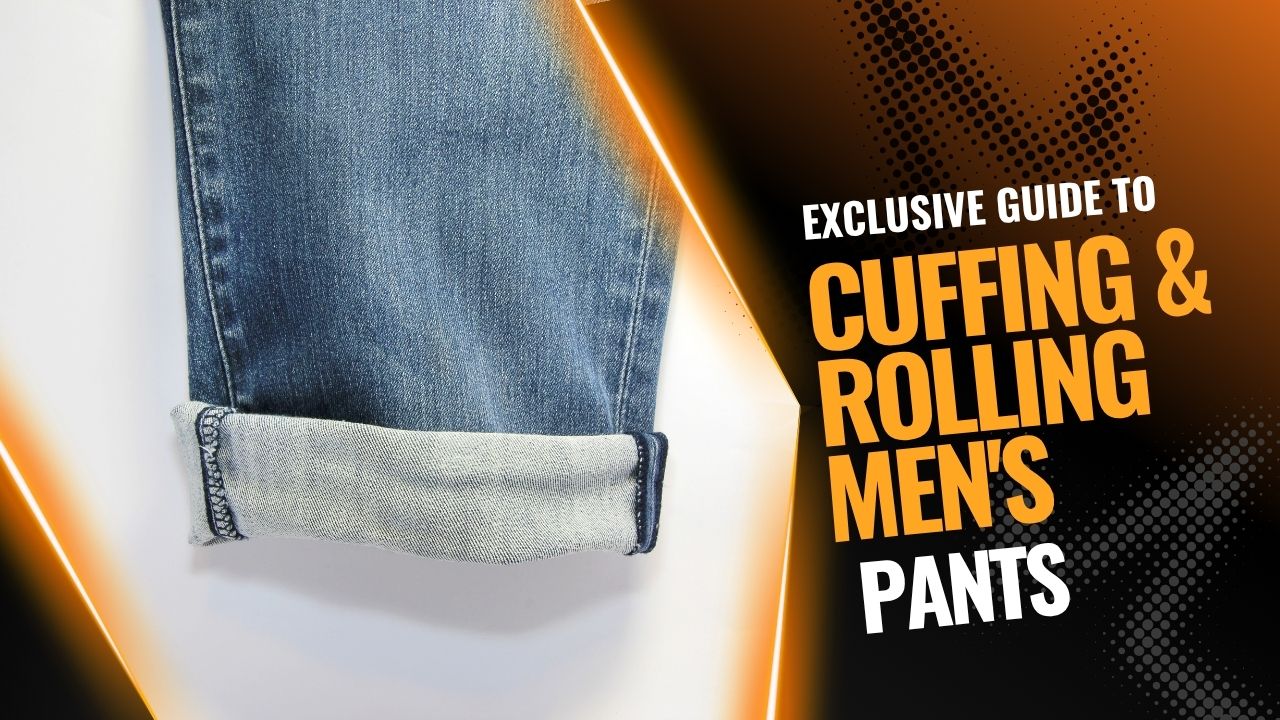
Exclusive Guide to Cuffing & Rolling Men’s Pants

When it comes to cuffing and rolling men’s pants, finding the best ways to style them depends a lot on the pant type, fabric, and your body size—whether you have a big or small frame. This guide shows how to adjust your cuff and roll based on the different types of pants you own, including Men’s Jeans – The Ultimate Guide essentials. From lightweight chinos to sturdy denim, the right technique can transform your outfit. Personally, I’ve found that understanding the fabric’s flexibility and how it interacts with your body shape is key; a loose cuff on rigid jeans looks sharp on taller guys, while smaller frames benefit from thinner rolls that avoid overwhelming their proportions. With the right approach, you can master cuffing to elevate any casual or smart look, ensuring your pants complement your style perfectly.

Cuffing & Rolling Men’s Pants Guide

FAQ

Q1: What’s the best cuff style for shorter men?

A1: For shorter men, use a slim cuff between 1–2 inches (2.5–5cm) to avoid visually shortening the legs and maintain proportion in your outfit.

Q2: How should pants be cuffed when wearing low-top shoes?

A2: Roll the pants once or twice with a cuff width of 1.5–2 inches (3.8–5cm); shorter men should stay closer to 1.5″. The cuff should hit just at or above the ankle bone.

Q3: What cuffing technique works best for slim-fit jeans?

A3: The simple cuff is ideal for slim-fit jeans, offering a sleek and clean appearance. It should be avoided with softer fabrics like chinos, where it can appear floppy.

Q4: What’s the key to cuffing pants for athletic or larger builds?

A4: Use sturdy fabrics like selvedge denim to avoid floppy cuffs. Avoid cuffing too short—keep the cuff close to the top of the shoe for a clean, sharp silhouette.

Q5: How does pant fabric affect the cuffing result?

A5: Heavy fabrics like denim hold wider cuffs well and look structured. Lighter fabrics like cotton or linen need slimmer cuffs or pinrolls to avoid looking messy.

Choosing the Right Cuff for Your Body Type

Understanding the cuff style that suits your body type is essential for perfecting how your pants look. While many methods of cuffing are fairly universal, some adjustments are necessary depending on different body types. The key is to follow guidelines that enhance your silhouette rather than overpower it. For example, slimmer frames often benefit from narrower cuffs to maintain proportion, while larger builds can handle a bit more fabric without losing balance. Knowing these subtle differences will help you pick the ideal cuff that complements your body shape and overall style.

Cuffing Tips for Larger Frames and Athletic Builds

For those with larger frames or athletic builds, it’s best to avoid cuffing your pants shorter than the top of your shoes unless you’re working with rigid materials like selvedge denim. Softer fabric tends to become floppy, which can create an unflattering look. Choosing a sturdy fabric helps maintain a clean silhouette, ensuring your cuff stays sharp and enhances your overall style.

Best Cuff Style for Shorter Guys

For shorter guys, keeping the cuff or roll thinner than normal—around 1-2 inches (or 2.5-5cm max)—is key. A slimmer cuff helps avoid making your legs look much shorter than they actually are. This straightforward modification can lead to a more harmonious outcome. appearance and elevate your overall look without overwhelming your frame.

How to Quickly Measure Your Cuff Width

A quick, somewhat dirty way to measure the cuff width is Utilize the joints of your fingers. Each segment of your index finger is approximately one inch in length., making it a handy tool to figure out the proper width. For example, a 2″ (or 5cm) wide The cuff would fall near the second or middle joint., which you can easily check by comparing it to the top of your cuff — just like in the picture.

The Simple Cuff Style

The simple cuff works best with slim-fit jeans, offering a cleaner, sleeker look that many clients appreciate. Be cautious when using this cuff with chinos or other pants made of softer fabric, as it can appear floppy around the ankles. This style is less suitable for straight-fit jeans, where your ankles might end up swimming in a bunch of fabric. For those cases, the pinroll cuff (explained in the next section) is a better choice. When cuffing your jeans, always have your shoes on to see the finished product and ensure the ankle is properly shown. Remember, this cuff pairs best with jeans that have a slight break at the hem, fitting the pant type perfectly.

How to Cuff with Low-Top Shoes

When wearing low-top shoes, the best way to cuff your jeans is to roll the pants once, keeping the width between 1.5” (3.8cm) and 2” (5cm). If you’re on the shorter side, aim for the smaller width, while taller individuals can go closer to 2”. Make sure the roll has the same thickness on both the front and back of the pants. After the second roll, the bottom of the cuff should just hit the outer or inner ankle bone, as shown in the image.

Cuffing with Boots or High-Top Shoes

When wearing boots or high-top shoes, follow similar rules as with low tops by doing at least two rolls and keeping the cuff width between 1.5″ (3.8cm) and 2″ (5cm) depending on your height. The bottom of the cuff should lightly graze the top of your shoe or boot, or go a little bit past it. In the image, pants rolled 3 times on the left and 2 times on the right are both acceptable lengths. Personally, I prefer 2 rolls since 3 can feel a bit too military for my tastes, but it’s all about what suits you best.

The Pinroll Cuff Explained

The pinroll cuff works great with both jeans and chinos, as this style eliminates the common the problem of your pants slipping down to your ankles when cuffed. To get it right, always start with your shoes on. If your pants aren’t fitting properly or are too long at the hem, the roll can end up looking big and chunky around the ankle, which you want to avoid.

Know How To Cuff Low-Top Shoes, High-Top Shoes, and Boots

Properly cuff your pants with low-top shoes, high-top shoes, or boots, start by pinching the fabric on the inside of your ankle so it feels snug against your leg. Then, fold the fabric toward your heel—this hides the fold better than folding it to the front. With your thumb holding the fold, begin rolling the cuff up with both hands. Keep the roll between 1 inch (2.5cm) and 2 inches (5cm) wide—lean toward the smaller size if you’re shorter and closer to the larger if you’re taller to maintain proper proportions for your stature. Roll the cuff twice to secure it; one roll won’t keep the excess fabric from coming undone. For low tops, the bottom of the cuff should hit around 3.8cm above your outer ankle bone, as shown in the image. You can roll up to 3 times if needed, but a 3-roll maximum applies except when wearing boots or high tops, where the cuff should just cover or lightly graze the top of the shoe when standing. The cuffs in the image are rolled twice.

Outfit Ideas

For a casual look, pair a navy crewneck sweater with olive chinos and finish the outfit with low-top sneakers for a relaxed yet stylish vibe.

Elevated Casual

For an elevated casual style, wear a black crewneck sweater with dark-wash jeans and lace-up boots to create a refined but relaxed look.

Business Casual

For business casual, combine a navy blazer with a light blue dress shirt, tan chinos, and white low-top sneakers for a polished yet comfortable outfit.

Consider Your Pant Fabric and Weight

The fabric of your pants greatly influences how your cuff will hold and look. Heavy denim or selvedge jeans typically keep their shape well, making wider cuffs look sharp and structured. On the other hand, lighter fabrics like cotton chinos or linen blends tend to be softer and more prone to floppy cuffs, which can make your look appear messy if not handled properly. When working with lighter pants, opt for slimmer cuffs or the pinroll technique to keep things tidy.

Match Cuff Style to Occasion

The way you cuff your pants can subtly change your outfit’s formality. A neatly folded simple cuff pairs well with casual and smart-casual outfits, while a pinroll cuff leans more casual and streetwear-inspired. For business casual settings, keep cuffs minimal or avoid cuffing altogether to maintain a cleaner silhouette.

Shoe Color and Cuff Interaction

Your cuff should help frame your shoes rather than distract from them. For example, a cuff that hits right above a sleek leather dress shoe draws attention to the clean line of your footwear, elevating the outfit. Conversely, with chunkier sneakers or boots, a slightly larger cuff or multiple rolls can balance the bulk of the shoe, creating harmony between the pants and footwear.

How to Uncuff Your Pants Stylishly

Sometimes, cuffing isn’t the answer — especially for formal or classic looks. Here are tips on how to wear pants without cuffs while still keeping style intact:

  • Use a Slim or Straight Hem: Pants with a slight break that just touches the shoe create a clean line.
  • Get Pants Tailored to Length: Properly hemmed pants eliminate the need for cuffing.
  • Pair with Dress Shoes: Sleek shoes and no cuff create a polished, professional look.

Why You Should Master the Art of Cuffing

Cuffing pants isn’t just a style fad — it’s a practical way to:

  • Show off your shoes and highlight your footwear choice.
  • Adjust pant length on the fly without needing tailoring.
  • Add personality and detail to otherwise simple outfits.
  • Adapt to different environments, from casual hangouts to business casual events.

By mastering cuffing, you gain a versatile styling tool that can elevate your daily looks and give you greater control over your overall silhouette.

Final Thoughts

Perfect cuffing is a mix of style, proportion, and fabric awareness. Whether you’re rolling jeans to complement your sneakers or cuffing chinos for a smart-casual vibe, the key is subtlety and balance. Always consider your body type, pant material, and shoe style to decide the ideal cuff width and method. With these insights, you’re well on your way to making cuffing a defining feature of your wardrobe.


Clothing Manufacturers in Pak

Discover Leading Clothing Manufacturers in Pak Today!

Pakistan has been acknowledged for an extended period as one of the foremost nations globally. individuals involved in the textile and clothing production sector.Thanks to its rich cotton production, skilled labor, and strategic geographic location, the country serves as a vital hub for clothing manufacturers supplying global markets. Whether you’re a startup fashion brand or a large retailer, understanding the landscape of clothing manufacturers in Pak can open doors to competitive pricing, quality craftsmanship, and reliable production.

This piece explores the subtle details of the clothing manufacturing industry in Pakistan, covering everything from how to find clothing vendors to the benefits of cut and sew manufacturer services. If you’re looking to expand your supply chain or launch a new clothing line, this guide is your go-to resource.

History of Clothing Manufacturing in Pakistan

The roots of Pakistan’s clothing industry stretch back decades, evolving from traditional textile weaving and embroidery to high-tech garment manufacturing. Initially focused on exporting raw textiles, Pakistan gradually developed vertically integrated production capabilities, including knitting, dyeing, stitching, and finishing. This growth has made the country a formidable competitor on the world stage, with millions employed in the sector and exports reaching billions of dollars annually.

Searching for reliable clothing manufacturers in Pakistan? From casual wear to high-end fashion, Pakistan offers top-tier production. Express Stitch Industries specializes in custom clothes manufacturing, delivering quality, precision, and style for brands worldwide.

Types of Clothing Manufacturers in Pakistan

Cut and Sew Manufacturer Services

One of the most sought-after services offered by Pakistani clothing manufacturers is cut and sew manufacturer services. This process involves cutting fabric into specific shapes and stitching them together to produce completed clothing. Unlike bulk fabric suppliers, these manufacturers provide complete end-to-end production, ensuring designs come to life with precision. This is ideal for brands seeking customization, pattern adjustments, and control over garment fit and style.

OEM vs. ODM Manufacturers

When sourcing in Pakistan, you’ll encounter both OEM (Original Equipment Manufacturer) and ODM (Original Design Manufacturer) options. OEM manufacturers produce garments based on your designs, while ODMs may offer their own designs you can rebrand. Understanding the difference helps when you want to choose right clothing vendor aligned with your creative and business goals.

Key Textile Cities in Pakistan

Several cities in Pakistan stand out as manufacturing powerhouses:

  • Karachi: The commercial hub with many large factories and export houses.
  • Lahore: Known for its fashion industry and textile processing.
  • Faisalabad: Often called theManchester of Pakistan,a major textile production center.
  • Sialkot: Renowned for high-quality stitching and craftsmanship, especially in sportswear and leather goods.

Advantages of Choosing Clothing Manufacturers in Pakistan

Choosing clothing manufacturers in Pakistan comes with a host of strategic advantages that make the country a top destination for apparel production worldwide. Here’s why partnering with Pakistani manufacturers can elevate your brand:

  • Cost-Effective Production: Pakistan offers highly competitive manufacturing costs without compromising quality. Lower labor and operational expenses translate into affordable pricing for brands, increasing profit margins.
  • Talented Labor Force: The nation has an extensive reservoir of skilled workers. experienced artisans and technicians proficient in various garment-making techniques, from traditional embroidery to advanced cut and sew manufacturer services.
  • Diverse Product Range: Whether you need casual wear, formal apparel, or specialized fabrics, Pakistani manufacturers excel in handling a wide variety of styles and materials, allowing brands to diversify their collections effortlessly.
  • Cut and Sew Expertise: Manufacturers provide tailored cut and sew services that enable brands to customize every detail of their garments, ensuring unique products that stand out in the market.
  • Strong Textile Infrastructure: Pakistan’s integrated textile industry—from raw cotton production to finished fabrics—supports fast turnaround times and consistent supply chains.
  • Compliance and Certifications: Increasingly, manufacturers adhere to international standards for labor rights, environmental sustainability, and quality control, making ethical sourcing easier for global brands.
  • Flexible Minimum Order Quantities: Many factories accommodate both small-scale startups and large enterprises by offering flexible MOQs, allowing brands to grow without the pressure of huge initial investments.
  • Strategic Location: Pakistan’s geographic position facilitates efficient shipping to major markets in Europe, North America, and Asia, reducing delivery times and logistics costs.
  • Innovative Technologies: Investment in modern machinery and production technologies enables manufacturers to maintain high-quality standards while speeding up manufacturing cycles.
  • Dedicated Customer Support: Pakistani clothing manufacturers They are recognized for their tailored service, collaborating closely with customers to. ensure all specifications and deadlines are met.

In summary, the advantages of choosing clothing manufacturers in Pakistan lie not only in affordability but also in expertise, quality, and versatility—making it a smart choice for brands aiming for long-term success and growth in the fashion industry.

How to Find Clothing Vendors in Pakistan

  • Finding reliable suppliers can feel daunting, but these methods make it easier:Participate in regional and global trade fairs and exhibitions. like the Pakistan Textile Expo.
  • Utilize online B2B platforms such as Alibaba, TradeKey, or Pakistan’s own trade portals.
  • Network through industry directories and associations like the Pakistan Association of Readymade Garments Manufacturers and Exporters (PRGMEA).

How to Choose Right Clothing Vendor

Selecting the appropriate partner can determine your success or failure. clothing line. Consider:

  • Their production capacity and range of services.
  • Certifications that prove compliance with ethical and quality standards.
  • Ask for fabric and garment samples.
  • Understand their pricing structures and minimum order quantities (MOQs).
  • Clear communication channels and responsiveness.

Cut and Sew Manufacturer Services in Pakistan

Cut and sew services are vital for fashion brands requiring unique designs and custom fits. Pakistani manufacturers excel here, offering everything from small batch orders to large-scale production. They allow brands to:

  • Customize patterns and sizes.
  • Choose fabrics and trims.
  • Oversee every stage from cutting to stitching to finishing.

This flexibility is crucial in a fast-paced fashion market where trends change rapidly.

Challenges in Pakistan’s Clothing Manufacturing Industry

While Pakistan’s clothing manufacturers offer tremendous advantages, there are challenges:

  • Infrastructure issues can sometimes cause delays.
  • Meeting international compliance for labor and environmental standards requires ongoing improvements.
  • Rising competition from countries like Bangladesh and Vietnam.

Brands must weigh these factors and work closely with manufacturers to mitigate risks.

Sustainability and Ethical Manufacturing in Pakistan

More manufacturers in Pakistan are embracing sustainability. Use of organic cotton, eco-friendly dyes, and energy-efficient processes are becoming common. Ethical labor practices and transparent supply chains help brands meet growing consumer demands for responsible fashion.

Tips for New Fashion Brands Working with Pakistani Manufacturers

Startups should:

  • Be clear about design specs and deadlines.
  • Visit factories if possible or hire third-party quality inspectors.
  • Build relationships over time for smoother collaboration.
  • Stay flexible but firm on quality standards.

Case Studies: Successful Brands Using Pakistani Manufacturers

In recent years, the global fashion landscape has increasingly turned its attention toward Pakistan’s thriving apparel production sector—and for good reason. Many well-known international brands, from luxury to streetwear, have quietly partnered with skilled factories across Pakistan to take advantage of the country’s advanced textile infrastructure and deep-rooted tailoring heritage. Brands like Zara and Next source a wide array of products, including denim, outerwear, and knitwear, from Lahore and Karachi due to the country’s ability to manage large-scale production without sacrificing quality or delivery timelines. At the same time, rising fashion labels in the UK, USA, and the Gulf region have praised their Pakistani partners for flexibility in MOQ (minimum order quantity), fabric sourcing support, and personalized prototyping services—key elements that allow small brands to scale quickly and efficiently. These case studies prove that Pakistan isn’t just a budget-friendly option; it’s a powerhouse of innovation, craftsmanship, and reliability. Whether it’s quick turnarounds, sustainable material options, or specialized production capabilities, the success stories from global brands showcase Pakistan as a serious player in the international garment supply chain.

Future Outlook for Clothing Manufacturing in Pakistan

The future of clothing manufacturing in Pakistan looks exceptionally promising as the country positions itself as an essential contributor to the worldwide textile supply chain. With rapid technological adoption, including digital pattern-making, automated cutting machines, and sustainable dyeing techniques, Pakistan is steadily moving beyond traditional manufacturing into a more innovation-driven era. The increasing global demand for eco-friendly fashion has prompted many Pakistani factories to invest in organic materials, green energy solutions, and waste-reduction processes—making them more attractive to brands that prioritize ethical production. Furthermore, government-backed textile policies, reduced import duties on raw materials, and the development of industrial zones are paving the way for greater foreign investment and joint ventures.

Pakistan’s young, skilled workforce and competitive labor costs continue to give it a strategic advantage over regional competitors. Additionally, as e-commerce brands look for flexible production partners who can handle both mass production and small-batch orders, Pakistani manufacturers are adapting with agile supply models and improved communication infrastructures. As global sourcing shifts in response to geopolitical changes and rising production costs elsewhere, Pakistan is poised to become a go-to destination for both large-scale fashion retailers and niche apparel brands seeking reliable, high-quality manufacturing partnerships.

Conclusion

Pakistan remains a cornerstone of the global apparel manufacturing industry. By understanding how to find clothing vendors, evaluating services like cut and sew manufacturer services, and knowing how to choose right clothing vendor, brands can leverage Pakistan’s strengths to build successful and sustainable clothing lines. With a blend of tradition, skill, and innovation, clothing manufacturers in Pak offer unmatched value to fashion businesses worldwide.

FAQs

  1. What are cut and sew manufacturer services?
  2. Cut and sew services involve cutting fabric pieces and stitching them together to produce completed clothing items, allowing for customized designs and precise fit.
  3. How to find clothing vendors in Pakistan safely?
  4. Start by attending trade shows, exploring verified B2B platforms, checking industry directories, and requesting samples before committing.
  5. Why is choosing the right clothing vendor important?
  6. The right vendor ensures quality, timely delivery, ethical practices, and cost efficiency, which are crucial for brand reputation and success.
  7. Are Pakistani clothing manufacturers suitable for small batch production?
  8. Yes, many manufacturers offer flexible minimum order quantities, making them ideal for startups and niche brands.
  9. How do Pakistani manufacturers ensure quality control?
  10. They follow international certifications, use skilled labor, conduct inspections, and offer sample approvals to maintain high standards.


Types of Jackets

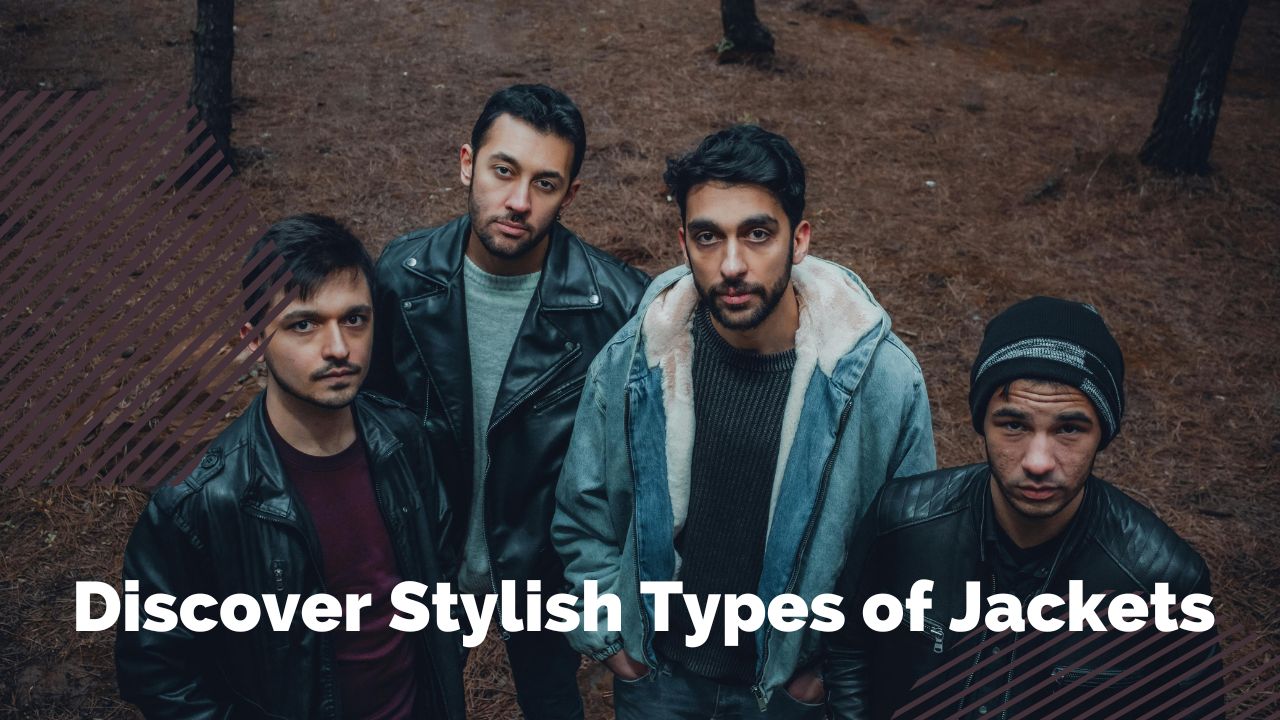
Discover Stylish Types of Jackets for Every Occasion!

Jackets aren’t just about keeping warm; they’re style statements, functional gear, and wardrobe essentials all rolled into one. Whether you’re heading to a casual brunch, braving a storm, or dressing up for a night out, the right jacket can pull your entire look together. But with so many types out there, how do you pick the perfect one? Let’s dive into the most popular jacket styles and what makes each unique.

Discover Stylish Types of Jackets for Every Occasion!

Looking for the perfect outerwear? Explore various types of jackets from bombers to parkas, each offering style and functionality. Express Stitch Industries manufactures custom types of jackets tailored to your brand’s unique needs with premium quality and precision.

Classic Jacket Styles

Bomber Jackets

Born from military aviation, bomber jackets have become a timeless classic. Their snug cuffs and waistbands, combined with a zip-up front and often a sturdy nylon or leather shell, make them perfect for casual everyday wear. They offer just enough warmth without feeling bulky, making them a favorite for spring and fall.

Denim Jackets

Denim jackets scream casual cool. Durable and versatile, they pair effortlessly with jeans, dresses, or skirts. Their rugged texture and slightly stiff fabric give you that laid-back vibe, perfect for weekends or relaxed office days.

Leather Jackets

If there’s a jacket that embodies edge and attitude, it’s leather. Whether smooth, matte, or distressed, leather jackets are rugged yet stylish. They age like fine wine, getting better and more personalized with every wear.

Trench Coats

A symbol of sophistication, trench coats bring elegance and practicality together. Typically longer, with a belted waist and double-breasted buttons, they’re perfect for rainy days or polished layering during cooler months.

Functional Jackets for Weather and Activity

Parkas

When it’s freezing cold, parkas are your best friend. These insulated jackets often feature fur-lined hoods and windproof materials. Designed to trap heat and block out chill, parkas are a winter staple for outdoor adventurers and city dwellers alike.

Rain Jackets

Rain jackets are lightweight, waterproof, and designed to keep you dry during wet weather. Materials like Gore-Tex or coated nylon help repel water while maintaining breathability — because no one wants to sweat under their raincoat.

Windbreakers

Think of windbreakers as your shield against gusty days. Thin and light, they block wind without adding bulk. Perfect for light outdoor activities, jogging, or layering on cool but not cold days.

Ski Jackets

Made for the slopes, ski jackets combine waterproofing, insulation, and mobility. With features like adjustable hoods, snow skirts, and ventilation zippers, they balance protection and comfort in harsh winter sports environments.

Fashion-Forward and Trendy Jackets

Varsity Jackets

With roots in American college sports, varsity jackets are sporty and stylish. Their contrast sleeves, snap buttons, and team patches give a nostalgic, youthful vibe that’s perfect for casual streetwear.

Moto Jackets

Inspired by motorcycle gear, moto jackets have asymmetric zippers, snap collars, and a sleek fit. They bring a defiant flair to any ensemble and are often crafted from supple leather or faux leather.

Blazers

Blazers straddle the line between formal and casual. They’re tailored, structured, and perfect for workwear or smart-casual occasions. While traditionally made from wool or tweed, modern blazers come in cotton, linen, and synthetic blends.

Material and Fabric Choices

Cotton Jackets

When it comes to jackets, material and fabric choices are foundational to both the garment’s style and performance. The choice of fabric not only affects comfort and durability but also determines how well the jacket suits different climates and occasions. For instance, Cotton Jackets offer breathability and natural The fabric’s gentle texture makes them perfect for everyday use andmild weather. Cotton fabrics, especially heavier weaves like canvas or twill, provide structure while remaining comfortable and versatile.

Wool Jackets

On the other hand, Wool Jackets are prized for their warmth and insulation, perfect for colder seasons. Wool’s natural fiber properties allow it to retain heat while still offering breathability, making it a classic choice for stylish winter wear. Different types of wool, such as merino or tweed, provide varying textures and weights that can elevate jacket design.

Synthetic and Technical Fabrics

For more specialized uses, Synthetic and Technical Fabrics dominate the outerwear market due to their durability and performance. Materials like polyester, nylon, and blends with elastane offer moisture-wicking, water resistance, and windproof qualities, which are essential for outdoor and activewear jackets. Technical fabrics often incorporate innovations such as breathable membranes or UV protection, making them highly functional without sacrificing comfort.

In all these cases, it is vital to Choose Right Clothing Vendor who understands the nuances of each fabric type. Expert Cut and Sew Manufacturer Services are invaluable when working with diverse textiles, as some fabrics require specialized handling and machinery during production. Knowing How to Find Clothing Vendors that specialize in these materials can save time and reduce production risks, ensuring your jackets not only look great but also perform to customer expectations. This strategic alignment of fabric choice and manufacturing expertise ultimately defines the quality and success of your jacket line in a competitive market.

How to Choose the Right Jacket for You

Consider Your Climate

Are you dealing with cold winters, rainy springs, or mild summers? Your jacket needs to meet your local weather demands to be truly functional.

Match Jacket to Event  

A leather jacket could be ideal for an evening out. but less suited for a business meeting, where a blazer might shine. Think about when and where you’ll wear your jacket most.

Fit and Comfort Tips

A great jacket fits well across the shoulders and allows movement without being too loose or tight. Pay attention to sleeve length and the ability to layer underneath comfortably.

Caring for Your Jackets

Cleaning and Maintenance

Always check care labels. Leather needs special cleaners, wool may require dry cleaning, and many synthetics can be machine washed on gentle cycles. Proper cleaning extends life.

Storing Jackets Properly

Use padded hangers for heavy coats and keep jackets in breathable garment bags during off-seasons to prevent wrinkles and damage.

Conclusion

Jackets are more than just outerwear; they’re reflections of your style, personality, and lifestyle. From the timeless charm of denim and leather to the cutting-edge performance of ski jackets and raincoats, each type serves a purpose and a look. Knowing the types and their best uses helps you build a versatile wardrobe that’s ready for any occasion or weather condition. So, whether you’re after function, fashion, or both, there’s a jacket out there that fits you perfectly.

FAQs

Q1: What jacket is best for unpredictable weather?

A lightweight, waterproof jacket like a rain jacket layered with a warm fleece works best for changing weather.

Q2: Can I wear a leather jacket year-round?

Yes, leather jackets are versatile but can get hot in summer. Pair them with lighter clothes in warmer months.

Q3: How often should I clean my jackets?

Clean based on use—outerwear like rain jackets can be cleaned more frequently, while leather and wool should be cleaned less often.

Q4: Are synthetic jackets better than natural fabrics?

It depends on use. Synthetics excel in weather resistance and durability; natural fabrics often provide more comfort and breathability.

Q5: How do I know what size jacket to buy online?

Check sizing charts carefully, measure your chest, shoulders, and arm length, and read reviews to ensure proper fit.


Best Fabric for T-Shirts

Best Fabric for T-Shirts That Feels Amazing

Choosing the right fabric is essential and should align perfectly with the product category. Take men’s polo shirts, for example. Quality polos require fabrics that balance structure with breathability. Cotton pique and poly-cotton blends are ideal here, offering a sharp appearance while keeping comfort intact — ideal for polos’ smart-casual appeal.

On the other hand, shorts demand lightweight and durable fabrics such as twill, cotton-spandex blends, or moisture-wicking synthetics. These materials endure friction, frequent movement, and warm weather, making them perfect for summer wear. Thus, when selecting fabrics, it’s vital to match the material’s properties with the intended use. A jersey knit may suit a comfy tee, but it won’t provide the needed durability or shape retention for shorts or polos.

Best Fabric for T-Shirts That Feels Amazing

Fabric and Vendor Compatibility: What to Consider

Selecting the fabric is only part of the challenge; the other crucial part is ensuring your manufacturer can expertly work with that fabric. When searching for the right clothing vendor, factors like price or minimum order quantities are important but secondary to their expertise in handling specific textiles. Some vendors excel in knit fabrics but may struggle with technical blends or eco-friendly options like bamboo. This is why understanding the scope of your cut and sew manufacturer’s capabilities is vital.

A knowledgeable vendor doesn’t just follow your designs — they provide valuable input on fabric suitability drawing from their expertise to assist you in steering clear of expensive errors.drawing from their expertise to assist you in steering clear of expensive errors.When looking for reliable, fabric-savvy partners, always review their previous projects and ask about their experience with your chosen textiles to ensure a smooth production process.

Adapting T-Shirt Fabrics for Different Seasons and Uses

T-shirts are wardrobe staples that must adapt to seasonal changes, depending on the fabric chosen. Lightweight cotton and cotton-linen blends breathe well in summer, offering cool comfort without compromising style. Conversely, heavier jersey fabrics with higher GSM, fleece linings, or terry cloth knits suit cooler climates and transitional seasons.

Brands serving global markets can benefit from producing seasonal versions of the same basic t-shirt style. This strategy not only broadens customer appeal but also allows product line expansion without drastic changes. Aligning fabric choices with climate demonstrates thoughtful design that resonates with customers’ lifestyles.

How Fabric Knowledge Boosts Your Brand’s Value

In today’s crowded apparel market, many brands claim to sell “premium basics,” but it’s the fabric quality that truly sets one apart from another. The moment a customer feels your shirt, they silently assess whether it’s worth the price. Superior fabric instantly elevates your product’s perceived value—no logo can compensate for poor material.

Leading brands invest heavily in fabric sourcing and testing, knowing that quality materials improve everything from fit to print appearance and even how garments photograph. Whether you’re launching capsule collections or expanding into new apparel categories like pants, your fabric choice reflects your brand’s identity and commitment to excellence.

Fabric Feel and Comfort: Key to Customer Loyalty

When shoppers choose t-shirts, pants, or shorts, the fabric’s comfort against the skin often dictates repeat purchases. Softness, breathability, and flexibility can turn a one-time buyer into a loyal customer. Hence, many brands rigorously test fabrics for wear, washing performance, and movement comfort.

Comfortable fabrics elevate daily wear and impact brand reputation. For example, lightweight, breathable fabrics are ideal for summer shorts, while heavier, more structured textiles ensure durability for everyday pants. This careful balance between comfort and quality fosters lasting customer trust and satisfaction.

Fabric’s Impact on Production Efficiency

Fabric choice influences not just the final garment but also the manufacturing process. Some materials are easier to sew and cut, while others require specialized machinery or extra care, which can add time and costs. This is particularly true for complex blends and advanced technical fabrics.

Manufacturers with expertise in handling diverse textiles can streamline production without compromising quality. Efficient processes lead to quicker turnaround times, fewer defects, and happier customers. Understanding fabric behavior during production helps you make smarter design decisions and keeps supply chains running efficiently.

Matching Fabric to Design for Optimal Style and Durability

Each design demands a fabric that complements its structure and purpose. Loose-fitting tees perform best with lightweight, flowing fabrics, whereas tailored pants need sturdier materials that hold shape and resist wrinkles.

Choosing the right fabric not only enhances appearance but also durability. Fabrics aligned with design reduce wear, prevent sagging or stretching, and maintain a polished look after multiple wears. This thoughtful matching results in garments that look good on shelves and perform well in real life.

The Importance of Clear Fabric Care Instructions

High-quality fabrics sometimes require special care, and failing to provide clear washing and maintenance guidance can lead to customer frustration. Whether it’s recommending hand wash for modal tees or low tumble drying for cotton blends, clear instructions help preserve garment longevity.

Brands that include simple, accurate care labels empower customers to maintain their clothing, reducing returns and fostering positive reviews. Educating buyers about fabric care increases confidence and drives repeat purchases.

Innovations in Fabric Technology Shaping Apparel

The textile industry is advancing rapidly, with new fabric technologies revolutionizing apparel manufacturing. Moisture-wicking fibers, anti-odor treatments, and UV-protective textiles improve wearer comfort and functionality.

Brands leveraging these innovations can produce apparel suited for active lifestyles or everyday casual wear, positioning themselves as innovative and customer-focused. Staying informed about fabric advancements keeps your collections modern and competitive.

The Advantage of Working with Local Textile Suppliers

Partnering with local fabric suppliers can speed up production and enhance quality control. Proximity allows for quick resolution of fabric shortages, swaps, or customizations.

This closeness supports more agile manufacturing cycles, letting brands respond rapidly to trends or urgent orders. It also fosters stronger communication and partnerships, critical when scaling operations or launching seasonal lines.

Why Testing Fabric Samples Is Essential Before Bulk Orders

Ordering fabric samples or swatches before committing to bulk purchases is a wise step. Samples enable you to evaluate texture, stretch, color retention, and print compatibility—crucial factors for product success.

Testing reveals potential issues like shrinkage or color fading early, preventing costly returns and customer dissatisfaction. Taking time to thoroughly vet fabrics upfront builds confidence in your supply chain and ensures your garments meet expectations.

Balancing Cost and Quality in Fabric Selection

While budget constraints are real, sacrificing fabric quality can damage your brand’s reputation.Achieving the correct equilibrium between cost-effectiveness and sturdiness is crucial for sustained development.

Investing in fabrics that retain comfort, color, and resistance to wear saves money over time by reducing returns and increasing customer loyalty. This strategic approach strengthens your brand image and customer relationships.

Educating Customers on Fabric Care to Boost Satisfaction

Providing straightforward care instructions is often overlooked but crucial for product longevity and customer happiness. Different materials require specific washing and drying practices to maintain their look and feel.

For example, cotton tees usually need gentle washing and air drying, while performance blends might require special detergents. Informing customers about proper care reduces misuse-related returns and builds trust, encouraging repeat business.

Fabric Choice as a Storytelling Element for Your Brand

Fabric is more than material—it’s a storytelling tool that connects your brand emotionally with customers. Natural fabrics like organic cotton evoke sustainability and comfort, while modern synthetic blends convey innovation and performance.

Aligning fabric with brand values strengthens emotional bonds and enhances marketing efforts. This alignment helps your brand stand out in crowded markets by making fabric a key part of your identity.

Unlocking Customization Through Fabric Selection

Your fabric choice can open doors to creative customization. Some textiles are better suited for embroidery or appliqué, while others excel with screen or digital printing. Certain fabrics enable all-over prints through dye-sublimation.

Exploring these options can lead to unique designs and limited editions, attracting niche customer groups like eco-conscious buyers or athleisure fans. Tailoring fabric blends and finishes also helps differentiate your offerings.

How Fabric Trends Shape Seasonal Collections

Staying current with fabric trends ensures your collections remain fresh and relevant. Summer lines often favor lightweight linens and breathable cottons, while winter collections prefer heavier, brushed knits or insulating blends.

Performance fabrics with moisture-wicking or thermal features gain popularity in activewear. Anticipating these changes allows brands to schedule production efficiently and keep inventory aligned with customer demand, reducing excess stock and increasing excitement for new releases.

Common Mistakes to Avoid When Choosing T-Shirt Fabrics

Even experienced brands can trip up when selecting fabrics. One of the most common mistakes? Focusing solely on cost. Yes, pricing matters—especially when ordering in bulk—but sacrificing quality for short-term savings can damage your brand in the long run. Customers won’t hesitate to leave negative reviews if your shirts shrink, fade, or fall apart after a few wears.

Another mistake is ignoring the target audience. A thick, heavyweight tee might be ideal for winter streetwear, but it’ll feel stifling in tropical climates. Likewise, performance fabrics might appeal to fitness fans but turn off those who want soft, natural-feeling cotton. It’s all about matching fabric features with customer needs—comfort, breathability, stretch, durability, and sustainability.

And let’s not forget fabric testing. Always request swatches or samples before placing large orders. What feels amazing on paper might not meet your expectations in reality. Smart brands take the time to wash, wear, and stretch their samples to see how they behave in real-life conditions.

Conclusion: Wrapping It All Up

So, what’s the best fabric for t-shirts? The truth is—it depends. Whether you’re launching a streetwear label, a fitness-focused apparel brand, or a line of comfy basics, your fabric choice is foundational.From lightweight and airy cotton to fabrics that wick away moisture for enhanced performance. to eco-friendly alternatives like bamboo and Tencel, there’s a fabric out there to match every brand story and customer need.

Think of t-shirt fabric like the base of a recipe—it sets the tone for everything else. The right fabric enhances your design, supports your printing method, improves wearability, and builds customer loyalty. It’s not just a material decision—it’s a brand strategy.

If you’re just starting out or scaling up, take time to explore your options, test fabrics rigorously, and listen to your audience. Because when your customers love how your t-shirts feel, fit, and last, they’ll keep coming back—and spreading the word.

FAQs

  1. What is the softest fabric for t-shirts?
  2. Pima cotton and modal are considered some of the softest fabrics due to their fine, smooth fibers. These materials are perfect for premium, high-comfort tees.
  3. Are polyester t-shirts breathable?
  4. Yes, especially when designed for performance. Modern polyester blends often include moisture-wicking technology that enhances breathability during workouts.
  5. Is 100% cotton always better than blends?
  6. Not necessarily. While cotton is soft and breathable, blends (like cotton-poly) offer durability, wrinkle resistance, and reduced shrinkage—ideal for everyday wear.
  7. Which fabric is best for printing vibrant designs?
  8. 100% ring-spun cotton is excellent for screen printing, while polyester works best for sublimation. Cotton-poly blends offer a middle ground with flexible printing options.
  9. Are sustainable fabrics more expensive?
  10. Initially, yes. But the long-term value in customer loyalty, environmental impact, and brand perception often outweighs the slightly higher cost.


Types of Cardigans

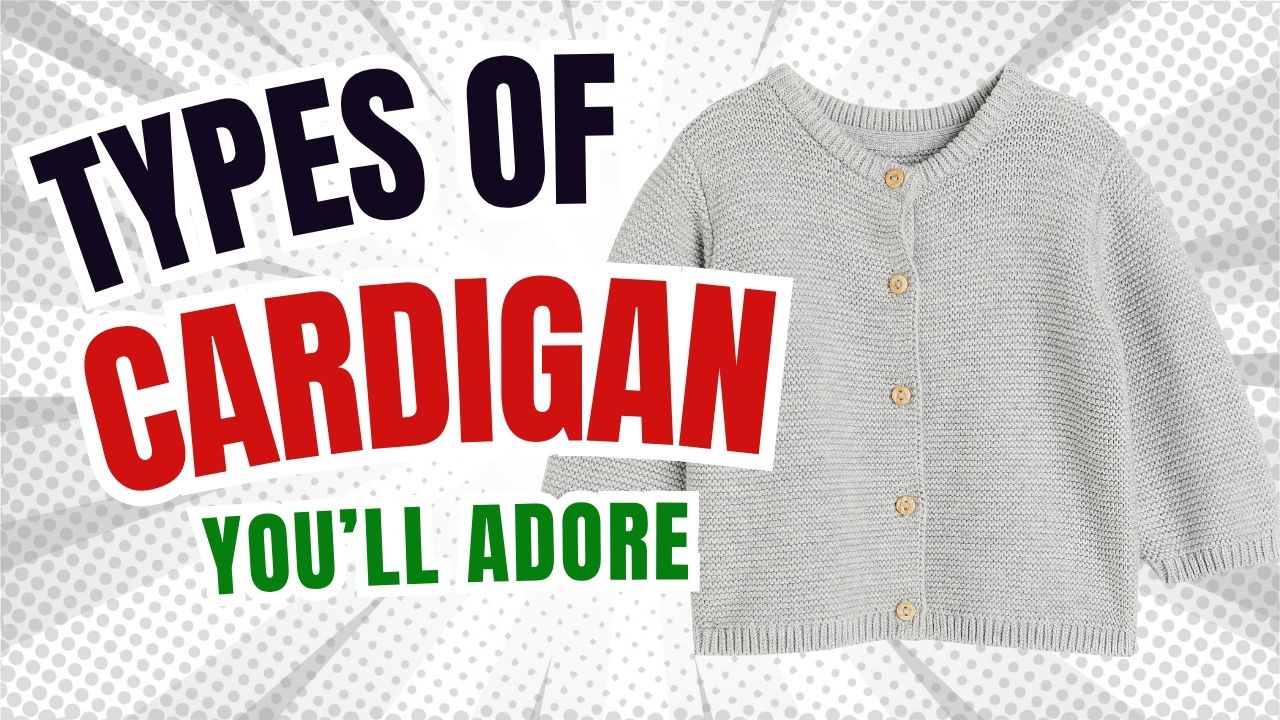
Chic Types of Cardigans You’ll Adore

What is a Cardigan?

Let’s start with the basics. A cardigan is a knitted garment with an open front—sometimes with buttons or zippers, sometimes completely open. It was named after James Brudenell, the 7th Earl of Cardigan, who popularized it in the 1800s. Since then, this humble piece has evolved from military uniform to fashion essential. It’s one of the most versatile layering options you’ll find in any wardrobe today.

Why Are Cardigans So Popular?

Cardigans represent the perfect combination of coziness and fashion.Need something warm but easy to take off? A cardigan’s got you. Want to dress up a plain t-shirt without going overboard? Cardigan again. Whether you’re dressing for work, relaxing at home, or heading out for a night on the town, there’s a cardigan for every moment.

Classic Types of Cardigans

Button-Up Cardigans

These are the foundation of cardigan styles. With front buttons running from top to bottom, this traditional design works well in casual and formal settings alike. You can wear it buttoned up for a clean, polished look, or leave a few buttons undone for a relaxed vibe. Bonus: They work with just about everything—jeans, trousers, dresses, or skirts.

Open-Front Cardigans

Effortless. That’s the word that defines open-front cardigans. These are designed to be worn loose and free-flowing, often with longer hems. They’re perfect for transitional weather when you need an extra layer but don’t want to feel restricted. Throw one over your tank top, T-shirt, or even a lightweight dress.

Zip-Up Cardigans

Want your cardigan to feel a bit sportier or more functional? Zip-up cardigans have got your back. They’re easy to wear, especially for travel or outdoor activities. Many come with pockets, hoods, and a slightly thicker knit for extra warmth—ideal for chillier days when you’re on the move.

Trendy and Fashion-Forward Styles

Oversized Cardigans

Think cozy, think comfy, think oversized. These cardigans have become fashion darlings in recent years. They’re intentionally designed to be loose and large, often with dropped shoulders and long sleeves. They pair best with fitted bottoms like skinny jeans or leggings to balance the silhouette.

Cropped Cardigans

A throwback to the ‘90s, cropped cardigans are back in full force. Ending above the hips, they’re great for high-waisted jeans or skirts. This playful, youthful style works beautifully for a casual brunch date or layering over a fitted tank.

Belted Cardigans

A belted cardigan is the fashion world’s version of a stylish hug. It gathers at the waist, forming an hourglass figure. which makes it perfect for dressing up a casual outfit. Go for a chunky belt for a statement look or a simple tie belt for elegance.

Chunky Knit Cardigans

Heavy, textured, and dramatic—chunky knits are a winter favorite. These cardigans are all about making a statement while keeping you toasty. Pair them with neutral layers to let the knitwork shine. Bonus: They also double as a blanket on lazy couch days!

Functional and Practical Designs

Hooded Cardigans

The best of both worlds—hoodies and cardigans combined. Hooded cardigans bring a sporty, laid-back twist to traditional styles. Great for weekend wear, travel, or lounging, these designs often come with pockets and zippers, making them super functional.

Pocket Cardigans

Let’s be honest: who doesn’t love pockets? Pocket cardigans are practical and stylish, especially if you’re always losing your keys, lip balm, or phone. They’re ideal for people who want utility without compromising style.

Longline Cardigans

These extend below the hips and often down to the knees. Longline cardigans are flattering and elongating, giving your outfit a sophisticated edge. Pair them with slim-fit trousers or dresses for maximum impact.

Waterfall Cardigans

These cardigans feature cascading front panels that flow downward like a waterfall. They bring movement and drama to your look without being over-the-top. Ideal for date nights, office layering, or sprucing up a basic outfit.

Fabric-Based Varieties

Wool Cardigans

Warm, dense, and perfect for winter. Wool cardigans are highly insulating and often come in luxurious styles like cable-knit or ribbed. Just be careful—they can be itchy on bare skin, so layering is key.

Cotton Cardigans

Soft, breathable, and hypoallergenic, cotton cardigans are great for sensitive skin and warmer climates. They’re low maintenance and versatile, often found in lightweight designs ideal for spring and summer.

Cashmere Cardigans

Looking for something a little extra? Cashmere is the luxury fabric of the cardigan world. It’s feather-soft, incredibly warm, and offers a sleek silhouette. Although it has a more expensive cost, it’s… totally worth it for the comfort and elegance.

Synthetic Blend Cardigans

Affordable and low-maintenance, synthetic blend cardigans usually mix materials like polyester, nylon, and acrylic. They’re wrinkle-resistant, stretchy, and often machine-washable—making them perfect for everyday wear.

Mastering Your Style and Brand with Cardigans

Crafting the Perfect Look: Cardigans, Pants & Accessories
Cardigans are more than just warm layers—they’re the building blocks of countless stylish outfits. With such a wide variety of types of cardigans available, it’s easy to find one that fits your vibe, whether it’s smart-casual or laid-back cool. A longline cardigan paired with structured trousers offers a classy, minimalist look, while a chunky knit with joggers leans streetwear. Want to stand out? Wear Beanie with an oversized or hooded cardigan, and finish off the outfit with edgy types of pants like cargo joggers or ripped denim. The cardigan becomes the canvas—you paint the look.

Business Behind the Fashion: Choosing the Right Suppliers
If you’re a boutique owner or fashion entrepreneur, it’s not just about stocking stylish cardigans—it’s about sourcing them right. Always Choose Right Clothing Vendor who understands your target audience, delivers consistent quality, and can scale with your brand. A good vendor should offer a full spread: open-front, zip-up, belted, cropped—you name it. But beyond the styles, ensure they meet ethical production standards and deliver on time. Happy customers start with good sourcing.

Sourcing Made Simple: How to Find Clothing Vendors That Deliver
Still asking yourself How to Find Clothing Vendors that actually get the job done? Here’s the trick—look beyond just low pricing. Attend fashion expos, research vendor directories, or explore B2B platforms like Alibaba or Faire. Look for suppliers that specialize in knitwear and check reviews, ratings, and sample quality before committing. If they also offer recommendations on styling (say, which types of pants go with different cardigans), that’s a bonus. Smart sourcing means your inventory isn’t just stylish—it’s sellable.

How to Choose the Right Cardigan for You

Consider Your Body Type

If you’re petite, go for cropped or fitted styles that won’t overwhelm your frame. If you’re tall, longline or oversized options can enhance your height. Belted styles are great for adding shape to any silhouette.

Think About the Weather

Light knits and cotton work great in warmer months. For colder seasons, look for wool or cashmere. Having a variety of cardigans means you’re ready for any temperature swing.

Match Your Personal Style

Love vintage looks? Try cropped or button-up styles. Prefer a minimalist wardrobe? Opt for neutral-toned open-front cardigans. Cardigans can mold to whatever aesthetic you’re rocking.

Caring for Your Cardigans

Washing and Drying Tips

Always read the label. Wool and cashmere usually require hand-washing or dry-cleaning, while cotton and synthetic blends are machine-washable. Avoid high heat and tumble drying. Instead, lay cardigans flat to air dry—this prevents stretching and keeps them looking fresh.

How to Store Cardigans Properly

Fold them neatly and place them in a drawer or on a shelf. Hanging can lead to stretched-out shoulders, especially for heavier styles. Use sachets to keep moths away from wool and cashmere.

Conclusion

Cardigans are the overlooked champions of every closet. Whether you’re into classic looks, love experimenting with textures, or need practical options for layering—there’s a cardigan style out there for you. From soft cotton for breezy days to chunky wool knits that feel like a warm hug, cardigans offer a unique combo of comfort and style. Don’t underestimate the power of a good cardigan—it can pull your outfit together, keep you warm, and reflect your personality all at once.

So next time you’re wondering what to wear, reach for a cardigan. It’s not just an afterthought—it’s a statement.

FAQs

1. Which cardigan is best for summer?

Lightweight cotton or linen cardigans are perfect for warm weather. They’re breathable and won’t trap heat, making them perfect for adding layers on chilly mornings and evenings.

2. Are cardigans still in style in 2025?

Yes, and how! Cardigans are more versatile than ever. Designers continue to reinvent them with modern cuts, patterns, and textures that keep them stylish year-round.

3. Can men wear cardigans too?

Absolutely! Men’s fashion includes tons of cardigan options, from slim-fit styles for the office to chunky knits for weekend wear. They’re timeless and universally flattering.

4. What’s the difference between a cardigan and a sweater?

A sweater is a closed, pullover knit, while a cardigan opens in the front—usually with buttons, a zipper, or no closure at all. Think of a cardigan as a stylish jacket alternative.

5. How can I stop my cardigan from pilling?

Wash it inside out using a gentle cycle and cold water. Air dry when possible. Use a fabric shaver or pill remover to keep it looking smooth and fresh.

Types of T-shirts for Women

Types of T-shirts for Women You’ll Love to Wear

In creating a fashionable and cozy wardrobe, T-shirts for women are an essential item that cannot be overlooked. From casual everyday looks to trendy layered outfits, T-shirts offer unmatched versatility. But to truly stand out in today’s fashion scene, it’s not just about choosing the right style—it’s also about quality and fit. That’s why it’s important to Choose Right Clothing Vendor who understands fabric, design, and modern cuts. Whether you’re launching a brand or refreshing your closet, knowing How to Find Clothing Vendors that offer premium materials and ethical production is crucial. For those looking to go the extra mile in customization and branding, partnering with a provider that offers Cut and Sew Manufacturer Services can make all the difference in creating standout T-shirts that fit perfectly and last longer.

Types of T-shirts for Women You’ll Love to Wear

When it comes to wardrobe essentials, women’s t-shirts come in a variety of flattering and functional styles suited for every occasion. From the classic crew neck and casual V-neck to trendy crop tops and oversized fits, each cut offers a unique look and feel. Scoop necks add a feminine touch, while fitted tees emphasize the silhouette, perfect for layering or wearing solo. For a sportier vibe, raglan and athletic-style tees are ideal, while boxy and boyfriend styles provide a relaxed, street-style edge. Choosing the right type depends on body shape, preferred fit, and personal taste—whether you’re dressing up with accessories or keeping it minimal for everyday wear.

Basic T-shirt Styles

Classic Crew Neck T-shirt

The OG of T-shirts. Crew necks are simple, timeless, and go with literally everything. They sit high on the neck and work great if you want a modest, structured look. Pair with jeans or tuck into a midi skirt for a cute-casual combo.

V-Neck T-shirt

Want to elongate your neck or show off that delicate necklace? The V-neck is your go-to. It’s flattering on most body types and adds just a touch of feminine flair without going over the top.

Scoop Neck T-shirt

More relaxed than a crew, but not as angular as a V-neck, the scoop neck is soft, elegant, and oh-so-stylish. It’s perfect when you want to show a bit more collarbone and add a hint of romantic charm.

Fashion-Forward T-shirt Styles

Crop Tops

Crop tops scream confidence. Whether you’re pairing them with high-waisted jeans or a flowy maxi skirt, these tees add edge and sass. Not just for summer—throw on a blazer or denim jacket, and you’re good for cooler months too.

Oversized T-shirts

Ah, the comfy queen. Oversized tees are trending for a reason. They’re perfect for laid-back weekends, airport looks, or even styled as a dress if long enough. Belt it, knot it, or let it flow.

Graphic Tees

Wear your mood, your music taste, or your favorite quote—graphic tees are loud, proud, and full of personality. They’re especially great for layering under jackets or over dresses for a chic, streetwear vibe.

Tie-Front and Knot T-shirts

Need a twist—literally? Tie-front tees are playful and feminine. They cinch the waist and add a stylish detail without extra effort. Great for beach days or festivals.

Sleeve Variations

Cap Sleeve T-shirts

Cap sleeves are subtle and chic. They just cover the shoulder, making them a top choice for hot days and layering. Perfect for a clean, minimal look.

Sleeveless and Tank T-shirts

Let those arms breathe! Tank tees are ideal for workouts or heatwaves. With racerback or wide-strap options, they’re both sporty and stylish.

Long Sleeve T-shirts

For those in-between weather days. Long sleeve tees are great for layering and can easily be styled for a dressier look with a scarf or statement necklace.

Raglan Sleeve Tees

These sporty sleeves extend from the collar in a diagonal seam. Originally a baseball style, raglan tees are casual, comfy, and super flattering for the shoulders.

Material-Based Types

When choosing apparel, understanding the different kinds of fabrics used in clothing can make a huge difference in comfort, durability, and style. Organic materials like cotton, linen, and wool, as well as synthetic options such as polyester, nylon, and spandex blends, each have unique features.. Cotton, for instance, is recognized for its breathability and gentleness, which makes it ideal for everyday attire,whereas wool provides warmth and insulation, which is great for colder environments. On the other hand, synthetic materials often deliver moisture-wicking and quick-drying properties, favored by activewear brands. There are also luxurious choices like silk or cashmere that add elegance and a premium touch to any outfit. Many fashion-forward brands blend various fabrics to balance performance and aesthetics, providing customers with versatile, high-function garments. Regardless of whether you’re looking for streetwear, formal clothing, or seasonal jackets, understanding the characteristics of various fabrics enables you to make choices that suit both your personal style and practical requirements.

Purpose-Specific T-shirts

Workout & Activewear T-shirts

Designed to move with you—literally. These tees often include moisture-wicking tech, stretch fabrics, and breathable panels. Your best bet for yoga, gym, or outdoor runs.

Maternity T-shirts

Stretchy, soft, and supportive. Maternity tees are crafted to grow with your bump while keeping you comfy and stylish.

Loungewear and Sleep T-shirts

Think oversized, ultra-soft, and cozy. These are the T-shirts you’ll want to live in. Perfect for movie nights, sleep-ins, or lazy Sundays.

Designer and Statement T-shirts

Luxury Label Tees

If you love fashion labels, high-end T-shirts bring subtle status and sharp design. Often minimalist in design but top-tier in quality and comfort.

Slogan and Quote T-shirts

Say it with your chest—literally. From feminist quotes to funny sayings, slogan tees let your personality shine. Great conversation starters too.

Embroidered or Sequined T-shirts

Need a glam touch? Embroidered or sequin-detailed tees bridge the gap between casual and dressy. Pair them with slim-fit jeans or leather trousers for an evening out.

How to Choose the Right Type

  • Selecting the ideal style or design for your wardrobe starts with a clear understanding of your personal needs, lifestyle, and the occasions you typically dress for.
  • Begin by considering the climate in your region—lighter fabrics and relaxed fits work best in warmer environments, while layered looks and insulating materials suit colder seasons.
  • Next, think about functionality: are you looking for something casual for daily errands, a statement piece for nights out, or something more refined for professional settings?
  • Pay close attention to fit and comfort—well-tailored garments not only enhance appearance but also provide confidence throughout the day.
  • Color palette plays a big role too; neutral tones offer versatility, while bold colors or patterns can showcase personality and make an outfit stand out.
  • Don’t forget about maintenance—some garments require dry cleaning or delicate care, which may not suit a fast-paced lifestyle.
  • Explore trending styles but balance them with timeless staples to ensure longevity in your collection.
  • If shopping online, check size guides, customer reviews, and fabric descriptions carefully to avoid any surprises upon arrival.
  • Lastly, prioritize quality over quantity. Investing in well-made pieces may cost more upfront but often pays off with better wear, less frequent replacement, and a more polished overall look.

Styling Tips for Different T-shirts

Casual Styling

Pair any tee with jeans and sneakers, and you’re ready. Add a crossbody bag and sunglasses, and you’ve nailed the off-duty model look.

Office Appropriate Looks

Yes, you can wear T-shirts to work! Go for plain or subtle graphic styles, tuck Slip into custom-fit trousers and put on a blazer.Slip into custom-fit trousers and put on a blazer.. Boom—smart casual.

Going Out Looks

Dress it up with a mini skirt, bold lipstick, and heels. Embellished, sequined, or fitted tees are perfect for making a statement without going overboard.

Conclusion

T-shirts may seem like a basic item, but they’re the foundation of effortless style for women of all ages. From fitted V-necks to oversized graphic tees, understanding the various types helps you elevate your everyday looks with ease. Just like exploring the Types of Jackets, Types of Shorts, or Types of Pants, knowing your options allows you to mix, match, and create versatile outfits for any occasion. For fashion brands or boutiques, T-shirts also offer a powerful canvas for customization. Techniques like What is Sublimation Printing and What Is Screen Printing are essential to create unique, high-quality pieces that reflect your brand’s identity. And if you’re expanding your fashion knowledge beyond women’s wear, don’t miss our deep dive on Men’s Polo Shirts – The Ultimate Guide—perfect for offering variety to your collection or wardrobe.

FAQs

What is the most flattering T-shirt style for women?

V-necks and scoop necks tend to be universally The pieces are complimentary, as they extend the neck and provide balance.out body proportions.

Can oversized T-shirts be worn for formal settings?

Yes, with the right styling. Pair with tailored trousers, heels, and add structured accessories for a polished look.

Which T-shirt material is best for hot weather?

Linen, bamboo, and light cotton fabrics are breathable and ideal for keeping cool in warm climates.

Are graphic tees still trendy?

Absolutely! Graphic tees are still going strong, especially when layered or styled with statement accessories.

How do I care for designer T-shirts?

Wash them on a gentle cycle with cold water, avoid the dryer, and always read the label for specific care instructions.


Type of Men’s Underwear

7 Type of Men’s Underwear: The Ultimate Guide to the Best

Men’s underwear is one of those essential wardrobe items that doesn’t always get the attention it deserves. But here’s the thing — underwear impacts your day more than you realize. It’s your first layer of comfort, protection, and support. Whether you’re working long hours, hitting the gym, or just relaxing at home, the right underwear makes all the difference.

Many men stick to the same old style out of habit or convenience, but experimenting with different types can elevate your comfort and style game. Just like when exploring the different types of pants or types of shorts to diversify your wardrobe, trying various underwear styles can transform how you feel all day long.

And if you’re wondering how to find clothing vendors that offer quality underwear alongside these other essentials, knowing what to look for in terms of fabric, fit, and style can save you time and hassle.

In this article, we’ll break down the popular types of men’s underwear, their uses, pros and cons, and how to pick the perfect pair for your lifestyle.

7 Type of Men’s Underwear: The Ultimate Guide to the Best

Looking for the right type of men’s underwear? Choose from briefs, boxers, trunks, and more based on your comfort, support, and activity level.

EXPRESS STITCH INDUSTRIES manufactures premium custom men’s underwear tailored to your brand’s style, fit, and fabric needs — perfect for fashion-forward comfort and quality.

Different Type of Men’s Underwear

Before we dive in, here’s a quick rundown of the most popular underwear types you’ll encounter:

  • Boxer Shorts
  • Boxer Briefs
  • Briefs
  • Trunks
  • Jockstraps
  • Performance Underwear
  • Thermal Underwear

Each type serves different needs, from casual lounging to intense workouts. Let’s explore these in detail.

Boxer Shorts

Description and Features

Boxer shorts are the original loose-fitting underwear style. With a loose cut and more extended leg coverage, they offer plenty of airflow and comfort, making them a go-to for those who dislike anything tight or restrictive. Typically made from breathable cotton or cotton blends, boxers are perfect for warm weather or when you want a relaxed fit.

Ideal Uses and Comfort

Boxers are ideal for casual wear, especially under loose pants or when you’re sleeping. Their roomy design means you won’t feel constricted, but beware: under slim or skinny pants, boxers tend to bunch up, which can be uncomfortable and unsightly.

Pros and Cons

  • Pros: Maximum breathability, superb comfort, versatile for lounging and sleep
  • Cons: Lack of support, not ideal for athletic activities or tight clothing

Style Tip

If you’re heading for a casual day out or relaxing at home, boxers keep you cool and comfortable. Pair them with loose chinos or sweatpants for a laid-back vibe.

Boxer Briefs

Description and Features

Boxer briefs combine the advantages of both styles:the length of boxers with the snug fit of briefs. They typically extend to mid-thigh and offer excellent support without sacrificing comfort.

Why They’re Popular

Boxer briefs are a bestseller for good reason. They provide solid support, prevent chafing, and stay in place, which makes them ideal for everyday wear and even exercise. They are appropriate for a variety of body shapes and sizes. work well under various clothing styles, including slim pants.

Best for What Body Types

They’re perfect for men who want support but don’t like the minimal coverage of briefs. Boxer briefs also help smooth out the silhouette, which can boost confidence.

Style Tip

If you plan to wear beanie to complete your casual winter look, boxer briefs pair perfectly with slim jeans and boots — comfortable, sleek, and stylish.

Briefs

Classic Style and Fit

Briefs are the classic men’s underwear style — tight-fitting with high-cut legs and firm support. They come in low-rise, mid-rise, or high-rise cuts to suit your preferences.

Advantages of Briefs

Their main advantage is support. For men with active lifestyles or those who prefer firm hold, briefs prevent unnecessary movement and are great under tighter pants. They also tend to be the go-to for athletes.

When to Wear Briefs

Briefs are your best bet when you need to avoid underwear bunching or want to maintain a sleek profile under dress pants or workout gear.

Style Tip

When choosing underwear for style and comfort, consider briefs if you often wear tailored trousers or men’s polo shirts for a polished, professional look.

Trunks

What Are Trunks?

Trunks are like boxer briefs but with a shorter leg length, usually stopping just below the groin. They offer a modern, trendy look and fit snugly without excess fabric.

Differences Between Trunks and Boxer Briefs

While both styles offer support and a close fit, trunks are cut shorter on the thighs, which some men find more tremendous and less restrictive.

Style Appeal and Comfort

Trunks are great for men who want a contemporary look without losing support. They also work well under shorts and casual pants.

Style Tip

If you’re trying to wear beanie with an urban streetwear outfit, trunks complement joggers and sneakers well for a laid-back yet stylish look.

Jockstraps

Functional and Athletic Use

Jockstraps were initially designed for athletes, providing firm support and protection while allowing airflow. They have a supportive front pouch and straps that leave the back mostly bare.

History and Resurgence

While once purely functional, jockstraps have experienced a fashion resurgence with modern brands offering stylish and comfortable versions for everyday wear.

When to Choose Jockstraps

If you’re active in sports or need extra support during workouts, jockstraps are a reliable choice. They’re also increasingly popular in fashion circles for their edgy look.

Style Tip

Pair jockstraps with performance gear for workouts or combine them with men’s polo shirts for a sporty-casual vibe.

Performance Underwear

Moisture-Wicking Materials

Performance underwear is designed with high-tech fabrics like polyester blends, spandex, or bamboo that absorbs moisture from the skin, aiding you in maintaining dryness and comfort.

Best for Active Lifestyles

Perfect for athletes, gym enthusiasts, or anyone who sweats during daily activities, these underwear types prevent chafing and reduce odors.

Popular Brands

Under Armour, Nike, and Lululemon lead the pack with innovative, stylish performance underwear.

Style Tip

Look for performance underwear if you want to wear beanie while staying active outdoors in colder weather. The combo keeps you warm and dry from head to toe.

Thermal Underwear

What Makes Thermal Underwear Special

Thermal underwear is made to retain body warmth and insulate you from cold. Made from fleece or wool blends, it works as a base layer to keep you warm during winter or outdoor adventures.

Ideal Climates for Thermal Wear

If you live in a cold region or spend time hiking, skiing, or camping, thermal underwear is a must-have for warmth.

Layering Tips

Wear thermal underwear under regular clothes or even under your favorite men’s polo shirts for extra warmth without bulk.

How to Choose the Right Type of Men’s Underwear

Factors to Consider: Comfort, Activity, Style

When selecting underwear, think about how much support you need, what activities you’ll do, and your personal style. For example, choose breathable cotton for everyday comfort but opt for performance fabrics if you exercise frequently.

How to Pick Underwear for Different Occasions

  • Work: Boxer briefs or briefs for support and a clean silhouette
  • Casual: Boxers or trunks for relaxed comfort
  • Sports: Performance underwear or jockstraps for support and moisture control
  • Cold Weather: Thermal underwear for warmth

Fabric Choices and Their Impact

Cotton vs Synthetic

Cotton is soft and breathable but retains moisture. Synthetics like polyester or nylon dry faster and offer more stretch.

Benefits of Bamboo and Modal Fabrics

Bamboo and modal fabrics are eco-friendly, super soft, and moisture-wicking — a great blend of comfort and performance.

Care Tips for Different Fabrics

Always follow care instructions. Clean cotton using cold water to avoid shrinking. Use gentle detergents for synthetics and avoid fabric softeners that reduce moisture-wicking ability.

Fit and Sizing Guide

Importance of Correct Sizing

Underwear that’s too tight can cause discomfort and skin irritation, while loose underwear may bunch and ride up. Getting the right size is essential.

How to Measure Yourself

Use a tape measure to assess the circumference of your waist and hips. Check brand sizing charts because sizes can vary widely.

Common Mistakes to Avoid When Buying Men’s Underwear

Ignoring Fabric Types

Don’t pick underwear just for looks. Fabric affects breathability, moisture control, and durability.

Wrong Fit Issues

Trying to squeeze into smaller sizes or choosing overly loose options can lead to discomfort.

Not Considering Activity Levels

Think about your daily routine — your underwear should support it.

Where to Buy Quality Men’s Underwear

How to Find Clothing Vendors

Do your research! Look for vendors online with positive reviews and clear product descriptions. Specialty stores usually offer better quality than big box retailers.

Tips to Choose Right Clothing Vendor

Check for return policies, sizing guides, and customer feedback before purchasing.

Online vs In-Store Shopping

Online offers more variety and often better prices. In-store allows you to try on underwear and feel fabrics firsthand.

Finale  

Selecting the appropriate kind of men’s underwear is about more than just style — it’s about comfort, confidence, and supporting your lifestyle. Whether you prefer loose boxers for lounging, supportive briefs for sports, or trendy trunks for daily wear, knowing your options helps you make smart choices.

Remember to choose right clothing vendor and check fabric quality to get the most from your purchase. Next time you shop for underwear, think about how you want to wear beanie or your favorite men’s polo shirts — because great underwear is the foundation of every outfit.

FAQs

What type of underwear is best for sports?

Performance underwear or briefs with moisture-wicking fabrics offer the best support and comfort for sports.

Can briefs be comfortable for everyday wear?

Definitely. Many men find briefs to be supportive and comfortable enough for all-day wear.

How often should men replace their underwear?

Change your underwear every 6 to 12 months based on use and fabric condition.

Are expensive underwear brands worth it?

Yes, often higher-quality fabrics and better construction mean more comfort and durability.

How to wash underwear to maintain quality?

Use cold water, gentle detergent, and avoid bleach—air dry when possible to preserve elasticity.


Types of Pants

Top 24 Types of Pants for Every Style | Ultimate Guide

Standing in front of my closet, deciding which pants to wear, I often find myself reaching for a pair that matches not just the occasion, but also the vibe I’m going for—be it lounging at the house in sweatpants, dressing up in slim-fit trousers for work, or opting for rugged cargo pants when I need a bit of extra utility. Through experience (and a bit of trial and error), I’ve learned that understanding the different types of pants—yes, there are more than 22 distinct styles—can really change how you dress each day. This quick guide helped me make sense of how each design suits a specific purpose, like how jeans hug the waist and cover the lower body, how the cut at the ankles changes the look entirely, or how the length down the leg impacts comfort. The functionality of each garment can transform not just your outfit but also your confidence, making your style choices feel natural and easy.

Top 24+ Types of Pants for Every Style | Ultimate Guide

Understanding the Details That Make Pants Work

  1. Every pair of pants is defined by its style, shape, and how parts like the waistband and leg opening are constructed.
  2. The waist may feature belt loops for a belt, or an elasticated waist that removes the need for a traditional fly opening with buttons or a zipper.
  3. The rise of pants, ranging from 7″ to 12″, determines whether you have high-rise jeans or low-rise jeans, which sit lower and create a different waistline.
  4. The crotch and crotch seam, including styles like cross-cut and the one used in harem trousers, directly impact comfort and fit.
  5. Details like the front waistband, curved seam, and sewed construction contribute to how the pants fit and feel.
  6. At the bottom hem, pants might feature a straight hem, be cropped, flared, or turned-up, and sometimes are gathered with a band, tuck, or peg for added shape.
  7. Jean pockets, whether top-stitched or topstitched, alongside the back yoke or front yolk, provide structure and a unique cut in jeans.
  8. Side seams, plain stitched or otherwise, as well as front pockets, back pockets, and seam side pockets, all add to both practical use and aesthetic appeal.
  9. Special cuts like palazzo trousers and elements in the trouser leg show how the overall cut can be altered to suit different designs.
  10. Even a basic opening can be a key feature depending on how it’s styled.

The history of pants goes back to the thirteenth century BCE, with the oldest known pair found in the Yanghai cemetery in China, showing how early humans shaped clothes for functionality. In Iran, loose and wide-legged pants helped people survive the desertweather conditions, while ancient Romans wore skin-tightleather trousers for warmth. Early on, robes and kimonos were common, but for horseback riding, especially among cavalry, pants became essential due to their practicality during riding. By nineteenth-century Europe, men mostly worn pants, reflecting traditional ideas of gender, while fashion and social trends began to shift. In the twentieth century, during World War II, women entered factories and started workingen masse, wearing pants not just for comfort, but to break norms. As someone who studies design, I’ve always found how each century influenced what we wear today—especially when comparing long trousers to modern Types of Shorts.

What Are Pants?

When I started exploring different styles of pants, I learned that understanding their basic structure helped me choose the right fit for various occasions. In British English, these are often called trousers, and they are a type of garment made to cover each leg separately, fitting the lower-body. Depending on the functions—from casual wear to formal outfits—pants come in different lengths, materials, and styles that suit both fashion and comfort. As someone familiar with Cut and Sew Manufacturer Services, I also realized how choosing the right materials and structure can make or break a design, especially when advising others on How to Find Clothing Vendors for quality, consistency, and long-term wear.

24 Different Kinds of Pants

As someone who’s worked with various clothing brands and understands How to Find Clothing Vendors, I’ve noticed that pants come in more types than most people realize. From casual to formal, and from indoor lounging to outdoor activities, each category serves a unique purpose. For example, functional styles are often chosen by those with active lifestyles, while a dress option might appeal more to business leaders needing polished looks. In fact, one of the most popular fashion staples today is a good pair of pants that fits multiple occasions. The variety is endless—some people want easygoing, others want structure. What matters is the choice, and being able to guide customers through these options in detail has been a big part of my work, just like when explaining the appeal of Men’s Polo Shirts – The Ultimate Guide.

Dress Pants

When helping clients find the right dress pants, I always consider different pant types, cuts, and body types to make sure the appearance is polished and fits the occasion. Whether for formal wear, semi-formal events, or professional situations, these pants are often constructed from high-end fabrics, woven materials, or classic suiting cloth. They’re usually designed with pleats along the leg, a front closure or front opening using buttons or zippers, and often come in slim fit or straight-leg styles. A crisp dress shirt and tailored jacket pair well with slacks, also known as suit trousers or suit pants, and complete the look with a suit jacket for a complete suit. This timeless, refined option is a versatile choice, often seen as the universal pick for dressing smart. I personally love how they adapt to different tastes, from classic to modern, while still delivering elegance for all kinds of occasions.

Jeans

Working with EXPRESS STITCH INDUSTRIES, I’ve come to appreciate how jeans have evolved from simple work pants worn by cowboys and miners into a global fashion phenomenon. Made from durable and sturdy denim fabric, they’re now a staple in almost every wardrobe. Their design often includes practical features like belt loops, pockets, and, in some styles, a bib top—especially in dungarees. Originally tailored for tough jobs, jeans now span all ages, genders, and cultures, breaking cultural and generational barriers. They’ve become more than just pants—they’re considered essential clothing, both common and classic. The conversation around jeans always centers on their versatility, whether for casual wear or rugged workwear, and manufacturers like ours constantly refine each piece to meet the modern-day demand.

Cargo Pants

Out of all the types of pants I’ve worked with, cargo pants are one of the most practical and useful choices for people who want both functionality and style. Whether you prefer cargo trousers, combat pants, or utility pants, they all share the same smart design, originally inspired by military uniforms. Known for their patch pockets and large compartments along the leg, these rugged and often baggy pants provide exceptional storage, making them perfect for travel, work, or just an adventurous day out. I’ve seen multiple and even numerous pockets built into these pants, which makes them truly distinguished in any setting. Today, cargo styles have evolved into something more chic without losing their utilitarian roots, proving they’re a flexible option for individuals who prioritize comfort and preparedness in their attire.

Everyday Styles You Can Actually Live In

In terms of building a practical wardrobe, there are so many types of pants to choose from, each offering a unique style, fit, and function. From cotton twill to knitted fabrics, pants are made from a wide range of form-fitting materials like spandex, fleece, stretchy cotton, and even lycra. As someone who has worked with both fabric manufacturers and stylists, I’ve seen firsthand how comfort, mobility, and smart design have turned pants into a true fashion staple. Whether you’re going for something relaxed for lounging at home or aiming for a refined, more polished look, there’s a pair of pants that fits the moment perfectly.

Athletic and Casual Picks – Joggers Pants

Pants like Joggers Pants, track pants, and sweatpants have grown in popularity thanks to the athleisure trend. These styles are perfect for working out, exercise, or even quick errands. With elastic waistbands, drawstrings, and ankle cuffs, they offer a cozy, soft, and casual wear experience. Most are made from fuzzy or breathable materials like fleece or cotton, giving them a carefree and comfortable vibe. What I love about Joggers Pants is their modern silhouette—a great balance of mobility and style, especially among youth and in streetwear inspired by hip-hop culture.

Flowy and Feminine Options – Palazzo Pants & Culottes

For something more feminine, flowing, or bold, pants like Palazzo Pants, Culottes, and capri pants stand out. These pants are known for their wide-legged and breezy shapes that allow air to flow and offer ultimate ventilation. With airy silhouettes, broad legs, and high waistbands, styles like Palazzo Pants and Culottes can be both sophisticated and comfortable. I’ve styled many clients with cropped, knee-length, or ankle-length variations—great for women seeking a striking visual impact while still staying cool and elegant.

Classic and Professional Staples – Chinos

In more formal settings or work environments, Chinos and straight-leg pants made from chino cloth or denim work perfectly. With flat fronts, slender cuts, and a touch of preppy flair, Chinos offer a clean look that pairs well with a t-shirt for casual days or a blazer for a dressy look. These sturdy, lightweight pants are often worn by men, but women have embraced them too, especially for leisure trips or smart-casual events. Chinos truly embody that middle ground between casual and refined.

Youth-Driven Street Styles – Baggy Pants

Let’s talk about Baggy Pants—they’re back, and more confident than ever. With their oversized, ample cuts and loose-fitting nature, they create a sensuous, dramatic shape that stands out in contrast to slim-fitting or skinny jeans. Widespread in the 1990s and early 2000s, particularly through hip-hop culture, Baggy Pants are making a comeback in fashion with bold personalities. Their roomy shape offers plenty of storage, often including patch pockets on the thigh or leg, making them practical as well.

Versatile Modern Looks – Leggings

If you’re going for something more modern and body-hugging, Leggings, jeggings, and yoga pants are all excellent choices. Known for their close-fitting shapes and snug fit, they’re crafted with knitted textiles, stretchy blends, and elastic-band pants structure for all-day ease. These pants hug your curves and contours, giving a flattering look that can be worn under regular clothing, during relaxing, or even for high-movement shapes like yoga or dance. Some come with a blend of fashion and function, with options ranging from denim pants to hybrid designs like jeggings.

Unique Fashion Statements – Bootcut Pants

For those wanting to make a more niche or vintage-inspired statement, Bootcut Pants, bell bottoms, and even toreador pants offer rich silhouettes and history. With flared designs that taper at the knee and widen at the hem, Bootcut Pants and bell bottoms provide a balance between structure and flow. Toreador pants, often made of silk or satin, add a stylish and graceful touch, especially when tailored close to the body. I’ve styled performers and fashion-forward clients in these for their dramatic flair and fashion choice that celebrates movement and elegance.

Choosing the Right Pair

Selecting the appropriate pair of trousers is based on your lifestyle, purpose, and personal style. Whether it’s for a casual day out, a formal event, or a How to Start a Fitness Clothing Line, knowing your options opens the door to dressing with confidence. At EXPRESS STITCH INDUSTRIES, we often guide clients through styles crafted for comfort, shape, and function.

High Rise Pants

One of the most versatile options includes high-waisted pants. With a waistband that sits above the natural waist, they help in accentuating the figure, offering a form-fitting, flattering effect that works well with both cropped tops and tucked-in blouses.

Wide-Leg Pants

Wide-leg pants bring an airy, comfortable vibe. These pants flare from the waist to the hem, creating a flowy silhouette that suits various body types. Their volume offers not just style, but also practical movement, making them ideal for both day and night events.

Leather Pants

For an edgier statement, leather pants are a go-to. With their sleek, glossy, and supple texture, they give off a bold, rebelliousness vibe that pairs perfectly with boots and fitted tops. They are often worn for evening looks or stylish night outs.

Pleated Pants

A timeless design, pleated trousers reflect classic tailoring. The pleats at the front add structure and a touch of depth, making these suitable for formal events or a vintage-inspired wardrobe.

Slim Fit Pants and Straight Fit

Slim-fit and straight-leg pants remain popular because they are adaptable and modern. Slim-fit options hug the contours of the body without being too tight, offering a streamlined silhouette. Meanwhile, straight-leg pants fall uniformly from waist to ankle, making them a favorite for office and formal wear.

Drawstring Pants

For laid-back and sporty aesthetics, drawstring and elastic-waistband pants are ideal. They offer flexibility, mobility, and are made from soft materials like cotton and linen. These styles are part of the booming athleisure market, a key insight from How to Find Clothing Vendors.

Flared Pants

Bringing a vintage bohemian twist, flared pants or bell bottoms are fitted at the thighs and flare out from the knees, offering a retro yet stylish charm. Perfect with platform heels or sandals.

Capris

For warmer climates, capris and cropped pants are popular. These styles end at the mid-calf or ankle, showcasing footwear and offering relief in hot weather. They are both casual and refined depending on how you style them.

Corduroy Pants

Corduroy pants, known for their ribbed texture and insulating properties, are perfect for fall and winter. The grooved pattern, orwales,not only adds character but helps retain warmth.

Harem Pants

Harem pants feature a low crotch and gathered waist, designed for relaxed wear. These are often associated with boho fashion and offer ample room for movement, perfect for casual days or travel.

Sailor Pants

Inspired by sailors’ uniforms, sailor pants feature broad legs, decorative buttons, and a high waist, giving a nod to nautical fashion. They are charming, structured, and great for both work and leisure.

Stirrup Pants

For equestrian or performance aesthetics, stirrup pants come with foot straps to keep the pant leg in place. They add a sleek look and are often used in active or styled outfits.

Tapered Pants

From baggy to tailored, tapered to bootcut, every style serves a purpose. It’s about the garment, the fit, and how it makes you feel. That’s why understanding each style’s function, origin, and aesthetic is key when building a wardrobe with character and versatility.

Choosing the Right Fabric

In the fashion world, the material of your pants is just as crucial as their cut or shape. From my experience, the way a pair of pants feel on your skin, how they drape, and how long they last depends on the fabrics used.

When exploring pant styles, it’s essential to understand the common materials like cotton, denim, or wool. Each contributes to the style and comfort of the designs. The right fabric makes even a basic style feel iconic.

Cotton

Let’s start with cotton, a favorite of mine for everyday wear. Its softness and breathability make it perfect for both work and lounging. It’s a fiber that adjusts well to different weather conditions and feels good on the skin. However, cotton can wrinkle easily and needs a bit of dry cleaning or ironing if you want it to stay crisp.

Velvet

For formal events or something luxurious, velvet makes a bold statement. Its luxurious texture and gentle touch make it ideal for adding class to an outfit. Though it needs dry cleaning, the appearance is worth the extra care.

Polyester

If you want something that lasts longer and resists damage, polyester is a smart choice. It offers stretch, holds up to moisture, and doesn’t shrink easily. I wear polyester blends when I need pants that can handle movement without losing shape. It’s a fabric that’s both durable and easy to care for.

Tencel

One fabric that’s growing on me lately is tencel. It’s made from wood pulp and is not only soft and breathable, but also eco-friendly. I enjoy the way it gently drapes and feels against the skin, giving both comfort and style with a sustainable edge.

Spandex/Elastane

In active settings or when I want maximum comfort, I go for spandex or elastane blends. These give pants a lot of stretch and allow free movement. Mixed with cotton or polyester, these fabrics make the pants more flexible and great for workouts or travel.

Linen

For warmer days, linen is unbeatable. Its light, airy texture made from flax fibers gives off a naturally relaxed vibe. I love wearing it during summer, especially because it stays cool even in humid weather. The wrinkles in linen actually add to its charm, though a bit of care keeps it neat.

Wool

Then there’s wool, which I rely on in colder months. The warmth and appearance of wool give my winter styles a polished touch. It has a nice drape and even when I move a lot, it keeps its shape. Though it might need dry cleaning, its durable nature makes it worth the effort.

Rayon

I often turn to rayon when I want something that feels silky and smooth. It’s a lightweight fabric that flows nicely and is ideal for dressier designs. However, it can shrink or lose shape if not handled well, so I always follow care labels carefully.

Leather

Lastly, leather is my go-to when I want something edgy and fashionable. It has a unique look, and with proper maintenance, it stays durable for years. While not always ideal for hot weather, leather pants can really elevate both casual and formal styles.

Embracing the Power of Pants

This guide covers 24 unique pant styles for suitable for every palate and event, ranging from timeless favorites such asjeans, chinos, and palazzo to bold statement items like leather. Knowing their characteristics helps you pick the appropriate pieces and staple styles to improve your daily outfit selection and fashion decisions. Don’t forget to explore custom clothing manufacturers like EXPRESS STITCH INDUSTRIES, who offer a variety of trendy, comfortable pants with a unique brand’s personal touch.


Back to Top
Product has been added to your cart