
What Are Scrubs

What Are Scrubs? The Uniform That Saves Lives

you’ve probably seen them in hospitals, clinics, or even on your favorite medical drama — those simple, clean outfits doctors and nurses wear. They’re called scrubs, and they’re much more than just a uniform.

In the healthcare world, scrubs are essential clothing designed for safety, hygiene, and comfort. From surgeons in the operating room to lab technicians, caregivers, and even spa staff, scrubs serve as the go-to attire for anyone working in a clinical or care-related environment. But what makes scrubs special? And why have they evolved into one of the most function-focused garments in the apparel industry?

In this beginner-friendly guide, we’ll break down everything from what scrubs are, their purpose, different typespopular fabrics, and tips on choosing the right pair in 2025.

✅ Thinking of launching a scrubs brand? Check out our post on Discover Leading Clothing Manufacturers in Pak Today! for sourcing tips.

What Are Scrubs and Why Are They Used?

Definition & Common Uses

Scrubs represent a category of medical attire commonly used by healthcare workers in clinical, surgical, and caregiving environments. They usually consist of a short-sleeved shirt and drawstring pants, designed for practicality, comfort, and cleanliness during long hours of work. Originally intended for surgeons and operating room staff, scrubs are now standard attire for a much wider range of professionals.

You’ll see scrubs worn by nursesdoctorssurgeonslab techniciansradiologistsdentists, and even pharmacists. Outside the hospital, workers in veterinary clinicsspas, and home care agencies also rely on scrubs for day-to-day tasks.

Whether it’s a hospital ward or outpatient clinic, scrubs are now synonymous with medical settings — offering comfort, clarity, and professionalism all in one.


Purpose of Wearing Scrubs

The primary role of scrubs goes far beyond appearance. Here’s why they’re so crucial in modern healthcare systems:

  • Hygiene & Infection Control: Scrubs are made from washable, durable materials that reduce the spread of bacteria and bodily fluids. This helps limit hospital-based infections and cross-contamination.
  • Safety: Designed with functionality in mind, scrubs allow ease of movement, quick removal, and access for medical procedures.
  • Professional Identity: Different colors and styles help distinguish roles — doctors, nurses, and specialists can be identified easily.
  • Uniformity: Scrubs eliminate confusion in fast-paced environments and ensure every worker meets standard dress codes.

🟦 Value Box
💡 Did You Know? Scrubs were first widely used in the 1940s but became the healthcare standard in the 1970s as hygiene awareness and surgical practices evolved.

History & Evolution of Scrubs

Early History

Before the term “scrubs” was coined, medical professionals in the early 20th century wore white aprons or lab coats over their regular clothes. This white attire symbolized cleanliness and purity, but it wasn’t practical. The lack of specialized garments made it difficult to maintain hygiene standards, especially in operating rooms.

As surgery became more common and complex in the 1940s, the medical field began to shift. Professionals realized that white clothing could reflect too much light under surgical lamps, causing eye strain and creating unnecessary distractions during critical procedures.


Introduction of Color (Green/Blue)

By the 1960s and 70s, scrubs transitioned into various shades — most commonly green or blue. These colors weren’t chosen just for aesthetics. Green and blue help reduce glare from bright lights in the OR and improve visibility of red tones (like blood), making it easier for surgeons to focus during long operations. Color-coded scrubs also began to differentiate between departments and roles within hospitals.

This update marked the beginning of scrubs as functional medical clothing, rather than just protective gear.


Modern Advancements

Today’s scrubs are a far cry from simple cloth outfits. Thanks to advances in textile technology, we now have scrub sets that feature antimicrobial fabricsmoisture-wicking propertiesstretch materials, and wrinkle resistance. They’re engineered for comfort, mobility, and long shifts — combining fashion with function.

🔗 Just like how leggings evolved for activewear, check out TYPES OF LEGGINGS for modern functional fashion insights.

Types of Scrubs You’ll Find Today

As the demand for both function and fashion in healthcare has grown, the world of scrubs has expanded far beyond simple matching sets. Today’s professionals can choose from a wide variety of scrub types tailored to specific roles, settings, and even personal style. Here’s a breakdown of the most common scrubs you’ll encounter in hospitals, clinics, and beyond.


Basic Scrubs (Top & Bottom Sets)

This is the most standard and widely used version of scrubs. Typically made of cotton or polyester blends, these scrubs feature a loose-fitting V-neck top and drawstring or elastic pants. They’re affordable, easy to wash, and ideal for entry-level nurses, assistants, and staff.

Best For: General hospital staff, medical students, caregivers


Surgical Scrubs

Used primarily inside operating rooms, surgical scrubs are typically sterile, lightweight, and either disposable or designed for quick replacement. They’re color-coded (often green or blue) to help with visual contrast during surgery and are worn by surgeons, anesthesiologists, and OR nurses.

Best For: Surgeons, surgical techs, OR staff


Pediatric/Printed Scrubs

In pediatric wards or children’s clinics, colorful or animated printed scrubs help ease anxiety in young patients and create a more friendly environment. They may feature cartoon characters, patterns, or color themes related to children.

Best For: Pediatric nurses, child therapists, pediatric dentists


Antimicrobial or High-Tech Scrubs

Engineered for performance, these scrubs use moisture-wicking, stretchable, and odor-resistant fabrics. Many also include antimicrobial finishes that kill bacteria and help maintain freshness during long shifts.

Best For: High-activity roles, hospital staff, urgent care professionals


Fashionable or Custom Scrubs

Designed with modern professionals in mind, these scrubs blend tailored cuts, stretch panels, and designer styles. Some offer monogramming for branding or name personalization—a big plus for private clinics and boutique practices.

Best For: Private practices, dental clinics, modern healthcare startups


✅ CTA:
Planning to buy uniforms for your clinic or hospital staff? Learn how to source ethically-made apparel in our full guide — Discover Leading Clothing Manufacturers in Pak Today! 

What Materials Are Used in Scrubs?
What Are Scrubs

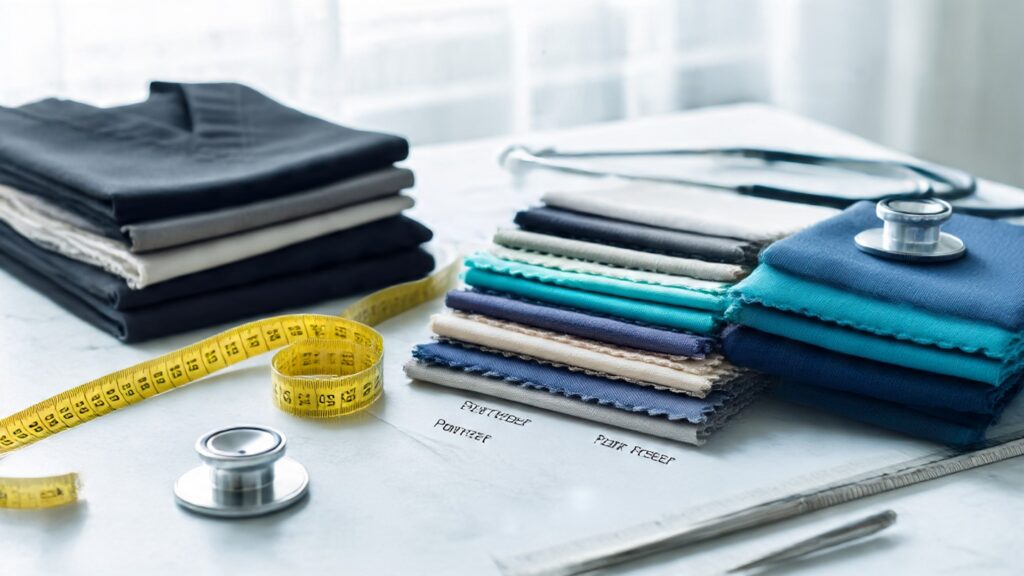
Choosing the right fabric for scrubs isn’t just about comfort—it directly impacts performance, durability, and hygiene in a medical setting. With healthcare professionals often clocking in long, intense shifts, the material their uniform is made from plays a huge role in day-to-day comfort and functionality.


Most Common Fabrics

Most basic scrubs are made from blended fabrics, each offering a different feel, level of breathability, stretch, and strength:

  • Cotton: Known for its all-day softness and breathability, cotton scrubs are comfortable—but they may wrinkle easily and take longer to dry.
  • Polyester: Durable and quick-drying, polyester scrubs resist wrinkles and shrinkage, though they may feel less breathable.
  • Rayon: Smooth and lightweight, rayon adds a silky texture to scrubs. However, it can be more delicate during washing.
  • Spandex (Elastane): Often blended in small amounts (2–5%), spandex brings stretch and flexibility—ideal for roles requiring lots of movement.

➤ Reality Check: Most modern scrubs today are blends—for example, poly-cotton-spandex—to balance comfort, durability, and cost.


Moisture-Wicking & Anti-Bacterial Blends

With the demand for performance wear in healthcare on the rise, many brands now use technical fabrics that wick away sweat, resist odors, and fight bacteria. These advanced materials use:

  • Antimicrobial coatings
  • Eco-friendly recycled fibers
  • Wrinkle-free & stain-resistant finishes

Such fabrics keep professionals feeling fresh and confident throughout long shifts—a true game-changer in high-stress environments.

🔗 Want featherlight comfort? Our blog on Discover the Lightest Fabrics for All-Day Comfort is a must-read before choosing any workwear.


✅ Fabric Comparison Table:

Fabric Type Key Features Best For
Cotton Soft, breathable but wrinkles easily Clinics, pediatric settings
Polyester Durable, resists shrinking & wrinkles High-turnover hospital environments
Rayon Lightweight, soft texture Dental or outpatient clinics
Spandex Blends Flexible, great for movement-heavy roles Physical therapists, OR nurses
Antimicrobial Fabric Odor-free, hygienic, sweat-wicking Emergency care, long shifts

Who Wears Scrubs? (It’s Not Just for Doctors!)

When you think of scrubs, the first image that likely comes to mind is a doctor or nurse walking down a hospital hallway. But in reality, scrubs are worn by a much broader range of professionals—both inside and outside traditional healthcare.


Primary Healthcare Roles

Scrubs are standard attire for various key healthcare workers due to their functionality, comfort, and hygiene benefits. These include:

  • Doctors – especially in clinical and surgical environments
  • Nurses – across general, pediatric, surgical, and intensive care units
  • Paramedics and EMTs – for quick-response emergencies and fieldwork
  • Lab Technicians – for handling samples and operating in sterile zones

In these roles, the use of scrubs not only supports infection control but also helps differentiate between departments through color-coded uniforms.


Extended Professionals

Beyond hospitals, many other professionals rely on scrubs for their day-to-day routines:

  • Dentists and Dental Hygienists – often wear dental scrubs for easy movement and sanitation
  • Physical Therapists & Occupational Therapists – require stretchable, breathable scrubs to assist patients comfortably
  • Home Caregivers & CNAs – choose durable caregiver clothing that’s easy to wash and long-lasting
  • Spa & Wellness Staff – in massages, facials, and treatments, scrubs offer a professional, hygienic look

The rise in multi-purpose scrub designs means these garments are no longer confined to hospitals—they’ve become the universal dress code for many caring professions.


👁️ Related terms you might encounter: physical therapist uniforms, caregiver scrubs, dental scrub sets — all pointing to the evolving world of professional functional wear.

How to Wash and Maintain Your Scrubs for Long-Term Use

Keeping your scrubs clean isn’t just about looking tidy—it’s a matter of health and hygiene. Since scrubs come into contact with all kinds of contaminants in medical and caregiving environments, proper washing and maintenance ensure they last longer and stay safe to wear.


Daily Washing Routine

Always wash your scrubs in warm water using a quality detergent that’s tough on stains but gentle on fabric. Turn them inside out before washing to preserve the color and reduce wear and tear. If your job involves heavy-duty exposure (like surgery or emergency care), washing your scrubs after every shift is a must.


Disinfection Tips

During flu season or after exposure to infections, add a bit of white vinegar or a medical-grade disinfectant to your wash cycle. Some healthcare workers also choose to pre-soak scrubs in a disinfectant solution before machine washing, especially in high-risk environments.


What to Avoid

  • Bleach: While effective, it can break down fabric fibers over time.
  • High heat drying: Leads to shrinkage and weakens elastic waistbands.
  • Poor-quality blends: They lose shape and color faster, no matter how well you clean them.

📦 Quick Tip Box
💡 Store your scrubs separately from your everyday clothes — cross-contamination is real, and you don’t want hospital germs on your home wardrobe.

Scrubs vs Other Medical Clothing: What’s the Difference?

While scrubs are a staple in most healthcare settings, they’re not the only medical garments in use. Understanding the difference between scrubs, gowns, and lab coats helps clarify each item’s purpose, especially in clinical environments where hygiene and functionality are critical.


Scrubs vs Gowns

Scrubs are everyday professional wear designed for comfort, mobility, and general cleanliness. They are worn by healthcare staff throughout their shift.
Gowns, on the other hand, are single-use or sterilized garments typically worn over scrubs during surgeries or procedures involving infection control, blood exposure, or sterile environments. They provide full-body protection, including arms and sometimes even gloves and masks.


Scrubs vs Lab Coats

lab coat is a long, white coat often worn over regular clothing or scrubs. While it symbolizes medical authority, its primary use is protection against spills and contamination in labs or outpatient settings. Unlike scrubs, lab coats are not designed for intensive or surgical work and are usually not worn in operating rooms.


📊 Quick Comparison Chart:

Clothing Item Purpose Worn Over Reusable?
Scrubs Daily wear, hygiene, mobility Skin/undergarments Yes
Gowns Sterile procedures, protection Scrubs Disposable or sterilized
Lab Coats Light protection, identification Scrubs/Clothes Yes

Pro Tips for Buying the Right Scrubs: Comfort Meets Function

Whether you’re a seasoned healthcare pro or just stepping into the industry, choosing the right pair of scrubs can make all the difference in your daily routine. The best scrubs aren’t just about how they look—they need to support long hours, high activity, and demanding environments.


Find Your Fit

The right fit can boost confidence and mobility.

  • Relaxed-fit scrubs offer better airflow and are perfect for long shifts.
  • Fitted scrubs deliver a cleaner, more professional appearance—especially in private settings.
    Also, pay attention to necklines (V-neck vs mock neck), as they influence both function and style.

Functionality Matters

Look for scrubs with multiple pockets, especially if you’re on the go. Hidden zip pockets, badge loops, and utility loops are bonuses.
Prefer lightweight fabrics for breathability or spandex blends for flexibility. Cotton-rich scrubs work well in mild climates, while padded/sturdy materials suit high-contact roles.


Unisex vs Gender-Specific

Unisex scrubs are budget-friendly but may lack tailored comfort.
Gender-specific cuts typically ensure better fit and flexibility—especially around the shoulders, chest, and hips.


Pro Tip: Buy in Bulk

Hospitals, clinics, and nursing schools benefit from bulk ordering discounts. Ensure the supplier offers consistent sizing and color matching across batches.


FAQs About Scrubs

Scrubs may seem like a simple uniform, but there’s more to them than just wearing a top and pants. Here are answers to some of the most frequently asked questions about scrubs—from fit and fashion to functionality and rules.


Are all scrubs the same size?

Not at all. While many scrubs come in standard S–XXL ranges, sizing can vary between brands and cuts. Always check the size chart before buying, especially if you’re ordering online or in bulk. Some brands offer tall or petite fit options to cater to different body types.


Can you wear scrubs outside the hospital?

Although convenient, wearing scrubs outside the medical setting isn’t recommended—especially if they’ve been worn during a shift. Doing so can spread germs and contaminants. If you’re commuting, it’s best to carry a clean pair to change into once you’re off duty.


Do colors mean anything in scrubs?

Yes. While not universal, many hospitals and clinics use color-coded scrubs to identify different departments or roles. For example, blue for surgical staff, green for nurses, and maroon for specialists. Always check institutional guidelines to ensure you’re in compliance.


Are printed scrubs still in trend?

Absolutely! Printed scrubs are especially popular in pediatric departments, dental clinics, and wellness centers. They make environments feel more friendly and less clinical—plus, they allow professionals a touch of personality and fun in their attire.


Can I wear scrubs even if I’m not medical staff?

Yes, depending on your role. Many spa workers, massage therapists, and home caregivers wear scrubs for hygiene and comfort. That said, if you’re not in a care-related job, wearing scrubs casually might cause confusion or appear inappropriate in some settings.

Final Thoughts: Why Scrubs Are More Than Just Uniforms

Scrubs are no longer just standard-issue uniforms thrown on before a shift—they’ve become a critical part of modern healthcare culture. They represent a commitment to hygiene, offer comfort during long and demanding work hours, and help define a healthcare professional’s role and identity within a clinical setting.

As medical wear continues to evolve, the focus on form, function, and fabric has never been greater. From antimicrobial finishes to fashion-forward fits, scrubs today are made to perform—just like the people who wear them.

Whether you’re choosing a pair for your first shift, outfitting a team, or planning your own line of medical wear, always prioritize quality, fit, and purpose. Scrubs are more than garments—they’re symbols of trust, care, and professionalism.

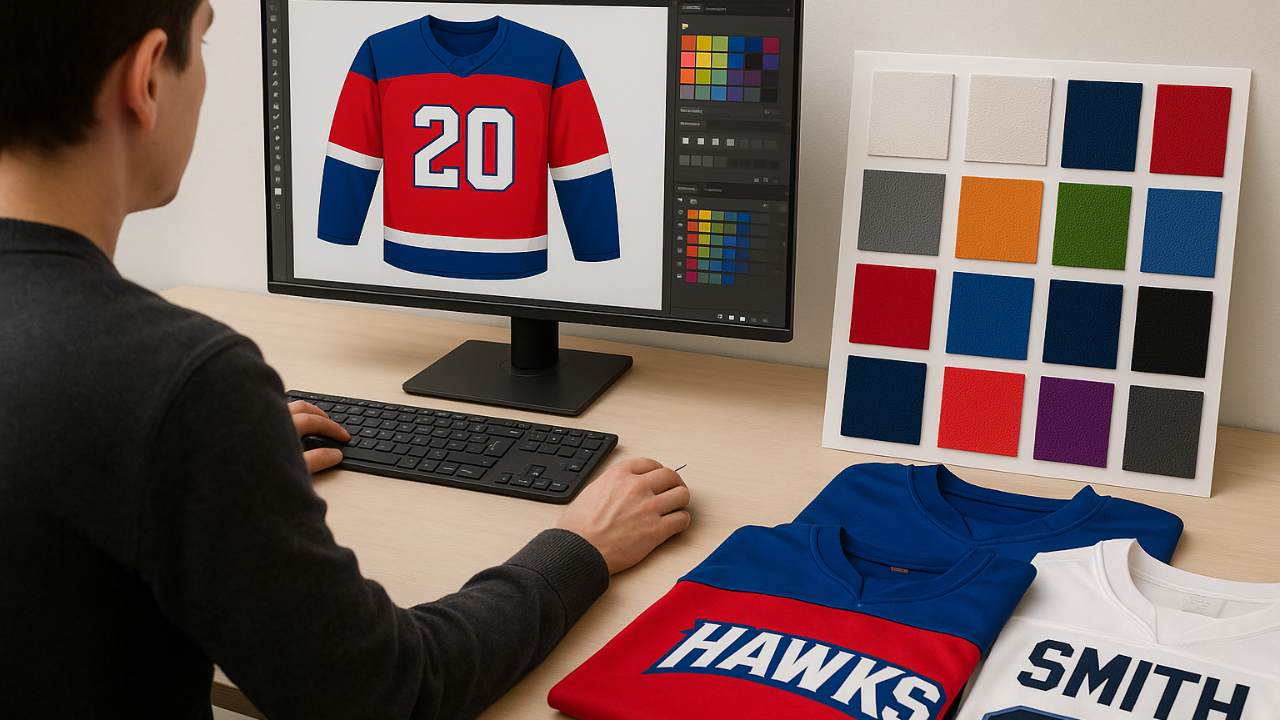
Custom Hockey Jersey Maker

Custom Hockey Jersey Maker: Design & Order Jerseys That Stand Out [2025 Guide]

Why You Need a Custom Hockey Jersey Maker Today

🎯 TL;DR – Custom Hockey Jersey Maker
Need jerseys that actually feel as good as they look? A great custom hockey jersey maker helps you design performance-ready, pro-quality jerseys that reflect your team’s identity—without sacrificing comfort or blowing your budget. Skip the cheap stuff—stand out on the ice in something that truly fits your game (and your brand).

In today’s highly competitive sports and branding world, custom hockey jerseys have evolved from simple uniforms to powerful tools of identity, loyalty, and team spirit. Whether you’re managing a local team, organizing a league, or building a sportswear line, working with a custom hockey jersey maker offers unmatched advantages compared to buying off-the-shelf gear.

1. The Rise of Customized Teamwear

Over the past decade, there’s been a major shift in both amateur and professional sports—moving toward customization. Teams no longer want generic, mass-produced uniforms. They’re interested in expressing their unique identity, leveraging logos, slogans, heritage-inspired colors, and sleek modern fits.

A custom jersey isn’t just about aesthetics. It’s a symbol—of unity, ambition, and belonging.

2. More Than a Uniform: Brand, Identity & Solidarity

Hockey, being a high-contact and agile sport, requires players to feel like one cohesive unit—on and off the ice. A professionally designed custom jersey boosts confidence and morale. It signals professionalism and pride.

Plus, for school teams, regional leagues, or fan merch lines, custom jerseys help in creating a lasting impression that fans recognize and wear with pride.

From a branding angle, fans are more likely to buy and wear jerseys that feel personal and premium—boosting engagement and even fundraising through sales or events.

3. Off-the-Shelf Jerseys vs. Custom-Made: Why Personalization Wins

Off-the-shelf options typically come in standard sizes, with limited design control and lower-quality printing. In contrast, using a custom maker gives you control over:

  • Style & fit
  • Fabric selection
  • Color palette
  • Logos, player’s names, and numbering
  • Sleeve length or shoulder pad accommodations

And yes, even material matters big time.

🔗 For example, when selecting base fabric, comfort and breathability are non-negotiable—exactly like what you’d expect in high-grade tees. Check out Men’s T-Shirts: Mastering The Ultimate Power Guide to explore how fabric quality impacts performance and experience—same rules apply to jerseys.

4. Personalized Touches & Trends

From heat-pressed numbers to sublimated full jersey art, fans, players, and designers now actively participate in shaping the product. These layers of personalization are not just stylish—they foster a sense of ownership and pride.

📣 Thinking of custom jerseys for your team or brand?

Discover how to craft ones that stand out, perform better, and leave a mark—on the ice and beyond.

What Makes a Great Custom Hockey Jersey Maker? (Key Features to Look For)
Custom Hockey Jersey Maker

Choosing a custom hockey jersey maker isn’t just about finding someone who prints shirts—it’s about partnering with a provider who understands performance, branding, and the nuances of teamwear. Before placing an order, it’s important to evaluate a few core features that separate ordinary suppliers from truly professional-grade makers.

1. In-House Designing Tools or Professional Design Support

Not everyone is a graphic designer—and that’s okay. The best custom jersey makers offer either intuitive drag-and-drop design platforms or professional in-house design support. This ensures you can bring your vision to life, whether it’s a detailed team logo or a sleek modern color palette.

Look for platforms that allow you to preview color schemes, font styles, player numbers, and layout on real jersey mockups. High-end providers might even give you access to a design team that helps translate sketches or ideas into production-ready visuals—saving you time and ensuring precision.

2. Quality of Materials Used

Material quality can make or break the jersey—literally. Since hockey involves intense movement and high-impact play, you need durable, breathable, and moisture-wicking fabrics that stand up to physical demands without sacrificing comfort.

Key features to look for:

  • Breathability: Keeps players cool and agile during gameplay
  • Stretch-fabric zones: Allows flexibility around shoulders and arms
  • Fade-resistant prints: Holds color after multiple washes
  • Moisture control: Essential for performance and longevity

🔗 For more on how fabric types impact sportswear, see our detailed guides on Tracksuit Fabrics and Golf Shirt Materials.

3. Printing Options Offered

There’s more than one way to apply designs to a jersey—and each has its pros and cons:

  • Sublimation: Best for full-color, all-over prints. Long-lasting and fade-resistant
  • Screen Printing: Economical for bulk orders, but may crack over time
  • Embroidery: Looks premium, ideal for crests/logos, but not ideal for large or flexible areas

Ask your maker what methods they use, and clarify how it impacts durability, weight, and pricing.

4. Order Fulfillment Time & MOQs

Imagining perfect jerseys won’t help if they arrive late for the season opener. Reliable makers clearly communicate turnaround times and offer rush options when needed.

Also, check their Minimum Order Quantities (MOQs)—some accommodate small youth teams with low starting quantities, while others cater only to bulk buyers.

📣 Pro Tip:
Don’t just choose any maker—
ask these questions first before placing your order to avoid surprises and ensure you’re getting the best fit, finish, and function.

Step-by-Step: How to Design Your Own Custom Hockey Jersey

Designing a custom hockey jersey is part creativity, part strategy. Whether you’re leading a team, managing a brand, or launching a limited-edition fanwear collection, following a thoughtful design process ensures your jerseys look sharp, perform well, and represent your identity with pride.

Let’s walk through the four essential steps to get it right the first time.

1. Pick a Style – Classic, Retro, or Modern Fit

Start with the overall jersey cut and style direction. You typically have three core choices:

  • Classic Fit: Looser, with room for pads—ideal for gameplay and traditional aesthetics.
  • Retro Style: Old-school cuts inspired by vintage hockey looks. Great for fanwear or throwback collections.
  • Modern Athletic Fit: Slimmer and more streamlined for performance athletes or premium merchandise.

Some teams even blend styles to create a hybrid look that suits both function and fan appeal.

2. Choose Fabric & Performance Features

Fabric is where performance meets comfort. The right material not only affects how the jersey feels—it impacts durability, player agility, and even longevity after washing.

Look for:

  • Moisture-wicking technology to keep players dry
  • Stretch zones around the shoulders for better mobility
  • Mesh inserts for strategic ventilation

3. Add Logo, Numbers, & Player Names

This is where branding and identity come to life.

Make sure your logo is supplied in high-resolution (SVG or PNG) format to retain clarity when printed or embroidered. Choose a strong font for player names and numbers that’s both stylish and legible from a distance—especially during fast-paced games.

Want to go big? Consider sleeve designs, shoulder numbering, or individualized tags for deeper customization.

4. Finalize Color Palette (Team or Brand Colors)

Colors should reflect your team’s core identity, while also maintaining visibility on the ice. Apply color psychology to evoke the desired mood—like red for aggression, or blue for trust and stability.

📦 Pro Tip:

“Keep contrast in mind when picking name/number colors. High contrast = more visible on-field, especially during fast action.”

Looking sharp is just as important as skating sharp—design it right from step one.

Best Custom Hockey Jersey Maker Services (Comparison)

Choosing a custom hockey jersey maker is a big decision, especially when you’re investing time, money, and your team’s brand identity. With dozens of providers offering everything from eco-friendly fabrics to full sublimation prints, it can be hard to know where to begin.

Let’s break it down step-by-step so you can choose with confidence.

1. Local vs. Online Suppliers – Pros & Cons

The first choice many teams face is: Should we go with a local supplier or a fully online service? Each comes with its own set of advantages (and potential trade-offs).

✅ Local Suppliers – Pros

  • Easier face-to-face communication
  • Physical samples available for review
  • May support local businesses or school partnerships

⚠️ Cons

  • Limited design/printing options
  • Turnaround times may be slower due to smaller operations
  • Less price flexibility on bulk orders

✅ Online Suppliers – Pros

  • Larger selection of design templates, features & fabrics
  • Often faster production/shipping due to scale
  • Easily order from anywhere

⚠️ Cons

  • Communication is email or chat-based
  • Higher shipping costs if located far from your region
  • No physical sample before full order (unless requested separately)

📌 Pro Tip: If your team needs jerseys for a specific event or season kickoff, always confirm estimated production time + shipping window in writing.

Top-Rated Makers in the Market (Brief List/Table)

Here’s a snapshot comparison to help you weigh your options based on what matters most—budget, speed, customization, and minimum ordering quantity.

Brand Specialty Pricing MOQ Delivery Time
XYZ Jerseys Eco-friendly fabrics $$ 10 10–14 days
ProGear Sports Full sublimation pro kits $$$ 5 7–10 days
RapidTeam USA Quick delivery services $$ 12 5–7 days (rush)
IceThread Wear Retro aesthetic + embroidery $$$ 8 10–15 days
ESI Affordable bulk options
Quick delivery services
$$ 20 12–15 days

🧠 Value-Add Tip: Create a shortlist based on your team’s size, budget, and required delivery date. You can even request free mockups or fabric swatches from some of these providers.

Pricing Guide – How Much Does a Custom Hockey Jersey Cost?

When planning a jersey order, pricing plays a major role—especially for school teams, local leagues, or small-run merch drops. But how much does a custom hockey jersey really cost? The response differs depending on multiple important factors.

Let’s break down what goes into the final price—and how you can save smart without sacrificing quality.

1. Factors That Affect Pricing

✅ Level of Customization

The more detailed your design, the higher the cost is likely to be. If you’re adding embroidered crests, individual names, sleeve patches, or multiple logos, expect pricing to rise accordingly.

  • Basic sublimation: Lower cost, full-color design
  • Embroidery/stitching: Premium look, added cost

✅ Fabric Choice

High-performance fabrics like moisture-wicking mesh or stretch-blend polyesters cost more than basic synthetics—but they hold up better in real game settings.

Premium fabrics offer better durability, comfort, and fade resistance.

✅ Quantity Ordered (Bulk Discount Tiers)

Most manufacturers offer tiered pricing, meaning the more jerseys you order, the lower the cost per piece.

  • Example: Ordering 10 jerseys might cost $55 each, but 30+ could bring it down to $42 each.

2. Saving Tips Without Compromising Quality

💡 Use Pre-Designed Templates:

Many makers offer stylish templates for free—you can tweak colors and logos to stay on-brand without paying for full custom art.

💡 Economize on Design Details:

Skip optional extras like inner labels or multi-color nameplates unless they’re essential. Keep it clean and functional.

📣 Need budget advice?

Talk to our experts before you place an order. We’ll help you design awesome jerseys without overspending.

Trending Designs in Custom Hockey Jerseys (2025 Edition)

Custom hockey jerseys in 2025 are doing more than just showcasing team logos—they’re blending fashion, tech, nostalgia, and individuality like never before. If you’re planning a new jersey run this season, here are the top design trends making waves across teams, fans, and branded events.

Style Inspirations

Whether for gameplay, fanwear, or limited-edition merch, design aesthetics are pushing boundaries. Here’s what’s trending:

  • NHL-Style Jerseys: Clean, bold colors with prominent player names and large numbers on the back—classic and professional-looking.
  • Throwback Vibes: Vintage stitching, retro logos, and old-school block fonts are in. Think 90s team nostalgia turned into modern day hype.
  • Camo or Military-Inspired Prints: Often used for charity games or veterans’ tributes—these rugged looks blend aggression and respect brilliantly.
  • Minimalist Designs: Single-color palettes, sleek lines, and small logos. Ideal for elite teams or brands wanting a luxury look.

Modern makers are now offering more flexibility in combining these themes—think camo fade backgrounds with crisp typography, or retro fits with modern fabrics.

Fan Engagement Designs for Brands & Schools

It’s not just about how a jersey looks, but how it connects with fans and communities.

Innovative teams are experimenting with:

  • QR Code Patches that link to team content, merchandise, or donation pages
  • Social Handles, Slogans, or Hashtags printed on the collar or lower back
  • Team mottos placed inside neck labels—small detail, big pride

This kind of purposeful personalization is strongly aligned with movements like Known Supply Clothing, which focus on community-first design and ethical storytelling.

Common Mistakes When Choosing a Jersey Maker (and How to Avoid Them)

Even the most exciting jersey projects can go wrong if you miss key details during the planning and ordering process. Here are a few common mistakes teams and buyers make—and how to make sure you don’t fall into the same traps.

Ignoring Material Composition → Result = Uncomfortable Jerseys

One of the biggest missteps is choosing a maker without asking about fabric quality. Cheap, low-grade materials can lead to jerseys that feel stiff, trap heat, or fall apart after a few washes.

Always check for breathable, flexible materials that support performance on the ice. This is especially vital for youth and league play where comfort impacts confidence.

Rushing the Design Process

Logo misalignment, poor font choices, and pixelated prints are all symptoms of cutting corners. Take your time with mockups and tools. Proof every element in high resolution before approving!!

Remember: once printed, it’s forever.

Overlooking Sizing Charts

No two jersey makers use the same size standards. Skipping over the provided sizing chart can lead to awkward fits, especially for younger players.

Always collect size info using the correct chart—and double check before bulk ordering.

📣 Pro Tip:

Download our jersey sizing & material checklist — avoid rookie mistakes and make sure every jersey fits and feels just right.”

FAQs –

Got questions about custom hockey jerseys? You’re not alone. Here are the most common things teams, parents, and brand managers ask—answered in plain, quick-read format.

sublimated jersey—where the design is dyed directly into the fabric—can easily last multiple seasons without fading or cracking. Unlike screen printing, sublimation doesn’t peel off, making it the most durable and professional choice for high-use jerseys.

It depends on the maker. Some offer no-minimum orders (great for samples or solo players), while others have MOQ (Minimum Order Quantities) starting at 5–10 jerseys. Always check with the supplier before customizing.

Yes—but treat them with care. Wash inside-out in cold water, use mild detergent, and avoid the dryer when possible. Air drying preserves the print, shape, and stitching for longer-lasting wear.

✅ Always refer to the manufacturer’s sizing chart—don’t assume sizes are standard across brands.

For youth, measure chest and height accurately.

For adults, double-check for fit preference (e.g., tighter for brandwear, looser for gameplay).

📥 Want help with sizing?

Download our jersey fitting & material checklist to simplify your ordering process.

Final Thoughts – Choosing a Custom Hockey Jersey Maker That Delivers

Choosing the right custom hockey jersey maker can make a huge difference—not only in how your team looks, but also in how they feel and perform. It’s more than logos and stitching. It’s about making smart decisions that blend quality, comfort, durability, and design support to bring your vision to life.

As you’ve seen throughout this guide, the best makers offer:

  • Reliable material options tailored for performance
  • User-friendly or professional design help
  • Flexible pricing with solid value
  • Clear order timelines and helpful customer service

Most importantly, don’t fall for the cheapest option. What may save you a few bucks upfront could cost you in comfort, durability, and team pride. Always choose value over just price.

📣 Ready to create your signature hockey look?
Work with Express Stitch Industries and skate in style.
Whether you’re gearing up for your next season or launching a merch line, let your jerseys speak confidence, unity, and excellence.

known supply clothing

Known Supply Clothing: The Truth Revealed

In a world where fast fashion dominates closets and landfills alike, more and more consumers are actively seeking brands that align with their values. Enter Known Supply — a clothing brand that’s rewriting the script on how apparel should be made, worn, and perceived. With a strong focus on transparency, ethical manufacturing practices, and sustainability, Known Supply isn’t just selling clothes — it’s promoting conscious living.

As the conversation around ethical fashion continues to grow louder, shoppers are beginning to question not just what they’re wearing, but who made it, how it was made, and at what cost. Known Supply answers those questions openly, making it stand out in a highly competitive market. Each piece they produce carries a story — quite literally — connecting buyer and maker in a way most brands never attempt.
This blog post takes a deep dive into the world of Known Supply clothing. Whether you’re a socially-conscious shopper, an entrepreneur seeking ethical partners, or simply someone exploring alternatives to fast fashion, you’ll discover everything you need to know about this rising brand. From their behind-the-scenes manufacturing ethics to customer reviews and brand comparisons, we’ll help you decide — is Known Supply worth your wardrobe in 2025?

What is Known Supply?

Known Supply is more than just a clothing company — it’s a movement aimed at restoring humanity to the fashion industry. Founded with the belief that “people matter at every step of the supply chain,” Known Supply operates with radical transparency, striving to connect consumers with the individuals who make their clothes. In an industry often criticized for its opacity and unethical labor practices, Known Supply leads with openness, purpose, and heart.

The brand was co-founded by Kohl Crecelius, a social entrepreneur who also helped spark Krochet Kids intl., a nonprofit that empowered women in Uganda and Peru by teaching them to crochet and earn a living. Building on that experience, Known Supply was launched to bring the same social mission into the broader fashion marketplace — but this time in a more scalable, sustainable, and brandable way.

At the core of its identity, Known Supply champions Fair Trade practices, sustainable materials, and ethical sourcing. All apparel is made using organic or recycled fibers and is produced in certified factories that ensure safe working conditions and fair wages. But what truly sets Known Supply apart is their commitment to “humanizing the apparel industry.” Every garment is tagged with the signature of the person who made it, allowing buyers to look up their profile, read their story, and understand the human effort behind each piece.

With this powerful blend of social impact, premium materials, and traceable production, Known Supply is redefining what it means to be a modern clothing brand — not just stylish and comfortable, but conscious, connected, and compassionate.

Brand Ethics and Sustainability Practices

In an era where sustainability is more important than ever, Known Supply stands out as a brand that doesn’t just talk the talk — it walks it, all the way from sourcing to delivery. The company has built its foundation on the pillars of ethical labor practicessustainable materials, and transparent production, making it a go-to choice for conscious consumers and responsible businesses alike.

♻️ Sustainable Materials that Respect the Planet

Known Supply primarily uses organic cotton, a material that requires significantly less water and no toxic pesticides compared to conventional cotton. This not only protects the health of the environment but also safeguards the well-being of farmers and workers involved in the cultivation process. In addition to organic cotton, Known Supply has also introduced recycled fabrics, further reducing its dependence on virgin resources and cutting down on textile waste.

🧵 Ethical Labor Practices You Can Trust

What truly separates Known Supply from the sea of fashion brands is its commitment to dignified labor. All garments are made in verified facilities that uphold strict Fair Trade standards. Workers are paid fair wages, operate in safe environments, and are treated with the respect they deserve — a stark contrast to the exploitive practices often found in fast fashion markets.

📦 Thoughtful Packaging & Reduced Carbon Footprint

Every part of the customer experience reflects the brand’s mission. Packaging is minimal, recyclable, and responsibly sourced, and efforts are constantly underway to reduce emissions and environmental impact across the supply chain. From local sourcing wherever possible to streamlined logistics, Known Supply is actively lowering its carbon footprint.

👤 Transparency: “Meet the Maker”
known supply clothing

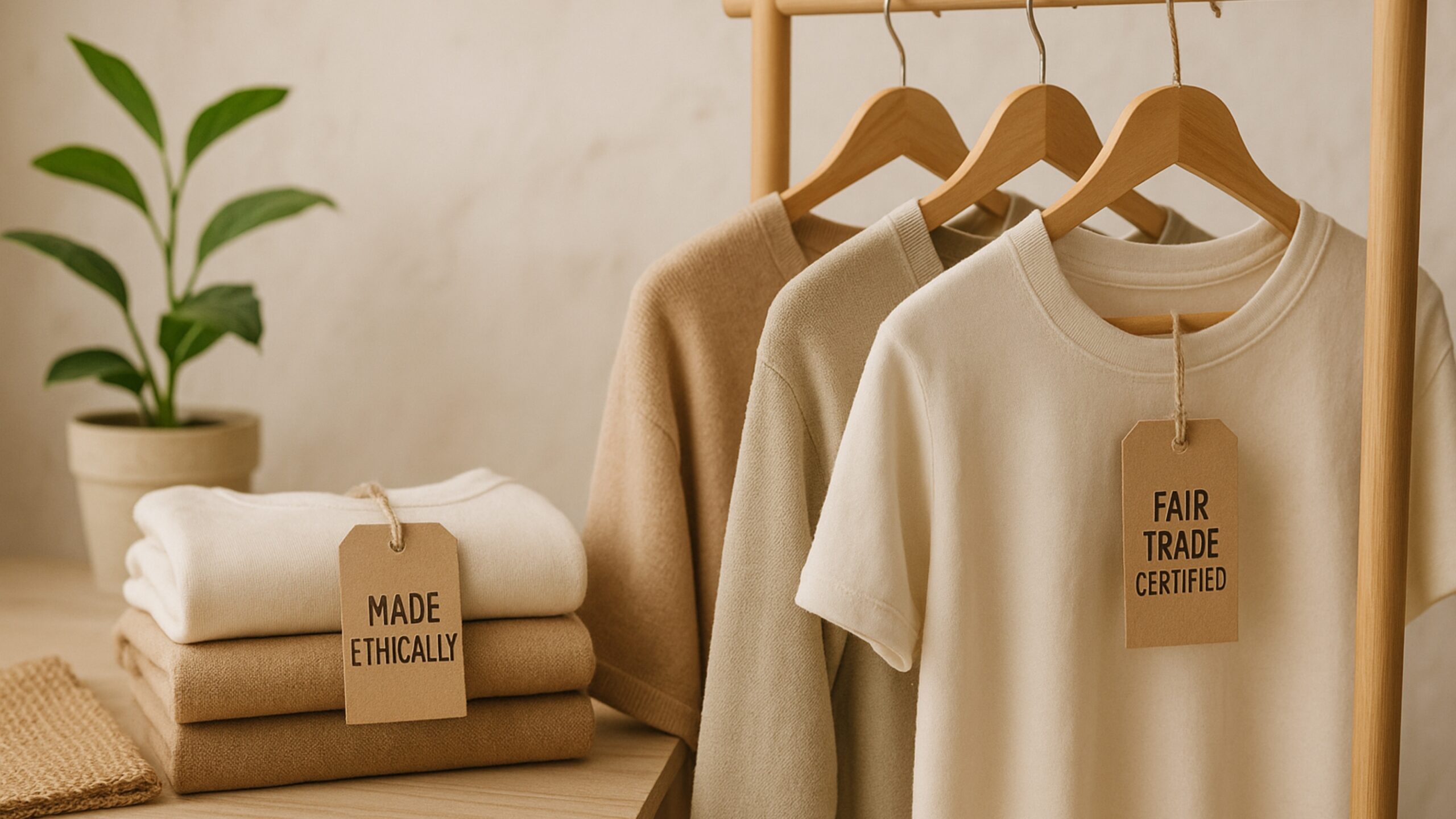
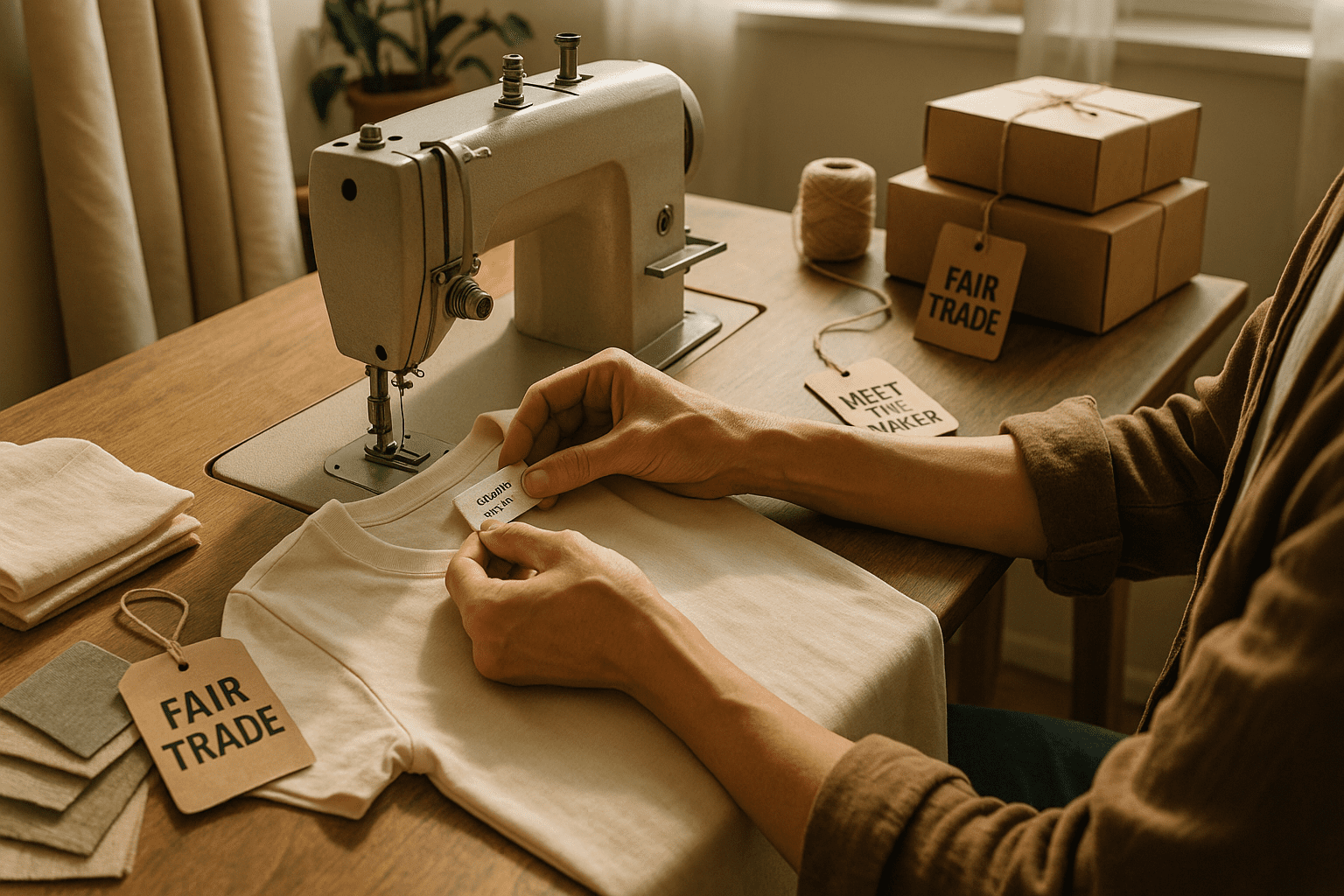
Perhaps the most personal aspect of their sustainability story is their unique “Meet the Maker” tags — each clothing item includes the signature of the actual person who made it. Customers can scan or look up the name online to view the worker’s story, creating an emotional connection between buyer and maker.

✅ Certifications that Back the Mission

To reinforce their commitment, Known Supply works with respected third-party certifications including Fair Trade CertifiedGlobal Organic Textile Standard (GOTS), and socially responsible vendors. These aren’t just badges — they are promises of integrity the brand is proud to uphold.

Together, these practices show that Known Supply isn’t following the trend — it’s setting the gold standard for ethical apparel.

Product Range and Pricing

When it comes to ethical fashion, one of the biggest concerns consumers have is: “Do I have to compromise on style or variety?” With Known Supply, the answer is a resounding no. The brand offers a curated yet versatile collection of wardrobe staples that cater to both style and sustainability.

👕 Essential Styles for Everyday Wear

At its core, Known Supply focuses on timeless, minimalist apparel that emphasizes quality over quantity. Their catalog features T-shirtshoodies, sweatshirts, tank topshats, and joggers — all made from sustainably sourced materials like 100% organic cotton. These items are not trend-driven, meaning they’re designed for longevity and year-round wear.

Whether you’re looking for men’swomen’s, or unisex clothing, the brand offers inclusive sizing and fits that prioritize comfort and everyday utility. The neutral color palette and simple branding also make it ideal for those who lean toward clean, casual aesthetics.

🧵 Custom Clothing and Wholesale Opportunities

One of the standout features of Known Supply is its customization and private label program — a major plus for small businesses, mission-driven brands, or nonprofits looking to offer sustainably made merchandise. Customers can order custom embroidery, printed logos, or fully branded apparel with low MOQs (Minimum Order Quantities). Known Supply also supports wholesale orders, making it an accessible option for bulk ethical sourcing.

💰 Where Does Known Supply Fall in Terms of Pricing?

In terms of pricing, Known Supply lands in the mid-range tier. T-shirts typically start around 30–30–35, and hoodies are priced around 65–65–75. While these prices may be higher than fast fashion alternatives, they reflect the true cost of ethical production — fair wages, quality materials, and eco-friendly processes.

It’s a great balance for shoppers who want to invest in sustainable fashion without breaking the bank. You’re not just buying clothes — you’re supporting people and the planet.

Quality and Fit – What Customers Say

A brand’s values may draw attention, but it’s the quality and fit that keep customers coming back — and in the case of Known Supply, most reviews lean overwhelmingly positive.

Across platforms like TrustpilotReddit, and social media channels, buyers consistently praise the softness and durability of the fabrics. One Reddit user wrote, “This is the kind of T-shirt you never want to take off. You can feel the difference in quality the moment you put it on.” Others highlight how the clothes retain their shape and color even after multiple washes — a common downfall of fast fashion garments.

Another area where Known Supply shines is its ethical mission, which resonates deeply with customers. Many buyers mention how purchasing from the brand makes them feel like they’re part of something bigger — supporting fair wages, sustainable practices, and human-centered manufacturing. Quotes like, “I love knowing who made my clothes — it adds a personal touch I’ve never experienced before,” are not uncommon.

Of course, no brand is without its challenges. Some users mention fit inconsistencies, particularly in unisex styles, stating that sizes can run slightly larger or boxier than expected. A few international customers also note longer shipping times and customs delays, though these experiences vary.

When it comes to pricing, while some consider it higher than average, most agree it’s worth it for the ethical return. As one customer put it, “You’re not just buying a hoodie — you’re investing in people and the planet.”

Known Supply vs. Other Ethical Clothing Brands

As the popularity of ethical and sustainable fashion grows, so does the number of brands claiming to be part of the movement. While Known Supply is a frontrunner in transparency and human-centered manufacturing, it’s worth comparing it with some of the other leading names in the industry. This comparison helps conscious consumers make informed choices based on what matters most to them — whether that’s price, sustainability, comfort, or customization.

Let’s take a closer look at how Known Supply stacks up against Express Stitch InudstriesTentree, and Everlane — three of the most commonly mentioned ethical clothing brands among conscious buyers.

🔄 Brand-by-Brand Breakdown

✅ Known Supply

Known Supply places its focus squarely on Fair Trade labor practices and personal connection between maker and buyer. Each garment includes the signature of its creator, and the brand proudly uses organic cotton and recycled materials. It also stands out for offering custom and private label options, making it a viable choice for startups or social enterprises looking to ethically source custom apparel.

Express Stitch Inudstries

ESI is known for its affordability and accessibility. It offers a wide range of apparel, including activewear, Sportswear, Streetwear even Medical scrubs and Jackets — all made using organic cotton and other imported fabrics. While its prices are generally more affordable than Known Supply, ESI offer the same level of personalization or maker connection.It also stands out for offering custom and private label options, making it a viable choice for startups or social enterprises looking to ethically source custom apparel.

✅ Tentree
As the name suggests, Tentree plants 10 trees for every item sold, giving it a unique environmental positioning. Its products often incorporate eco-friendly innovations, such as TENCEL™ lyocell and recycled polyester. While Tentree is strong on environmental impact, it places slightly less emphasis on labor transparency compared to Known Supply.

✅ Everlane
Everlane markets itself as a brand of “radical transparency,” especially in pricing and factory conditions. It uses a variety of materials, including organic cotton and recycled synthetics. Everlane’s style is more contemporary and fashion-forward compared to Known Supply, whose focus stays on minimal, everyday essentials. However, custom and wholesale options are generally not available.

🧾 Comparison Table: Ethical Clothing Brands

Brand Price Range Ethical Practices Materials Shipping Custom Options
Known Supply $$ Fair Trade, Transparent Organic Cotton, Recycled Fabrics Standard + Intl. ✅ Yes
ESI $ Fair Trade Certified Organic Cotton, Recycled Fabrics Fast in US+ EU ✅ Yes
Tentree $$ Eco-Centric, Tree Planting Tencel, Recycled Polyester Intl. Available ❌ No
Everlane $$–$$$ Transparent Pricing & Sourcing Organic, Recycled Materials Intl. + US ❌ No

💡 Which Brand is Best for You?

  • Choose Known Supply if you value personal connectionethical labor, and custom branding.
  • Choose ESI if you’re looking for affordable basics and custom branding with a sustainable backbone.
  • Choose Tentree if environmental impact like tree-planting matters most.
  • Choose Everlane if you want stylish, minimalist designs with transparent costs.

No matter which path you choose, you can feel confident you’re supporting a more ethical, sustainable future for fashion.

Who is Known Supply Best For?

Known Supply isn’t just another sustainable clothing brand — it’s a thoughtful choice for individuals and businesses who care about people, planet, and purpose. But who exactly benefits the most from what the brand has to offer? Let’s break it down.

🌿 Eco-conscious Shoppers

If you’re someone who actively avoids fast fashion, checks fabric labels, and wants to know where your money is going, Known Supply is made for you. With ethical sourcing, organic materials, and complete transparency, it checks all the boxes for sustainability-first consumers.

👕 Minimalists

Known Supply’s product line is focused on versatile, timeless basics — think neutral colors, soft fabrics, and everyday wearability. Minimalists who value quality over quantity will appreciate the durability and design simplicity of their collections.

🧵 Fashion Startups and Ethical Brands (B2B)

For small brands, nonprofits, or eco-conscious businesses looking for custom printed or private label apparel, Known Supply offers something rare: low MOQ ethical wholesale options. It’s an ideal partner for entrepreneurs who want to launch a brand without compromising on values.

Whether you’re shopping for yourself or sourcing for your business, Known Supply bridges the gap between style, ethics, and impact — making it a top choice for purpose-driven consumers and creators alike.

Pros and Cons of Known Supply Clothing

Like any brand, Known Supply comes with its share of strengths and limitations. While it has earned a solid reputation for promoting ethical fashion, it still might not be the perfect fit for everyone. Below is a fair and balanced look at the key pros and cons to help you determine if Known Supply aligns with your values and expectations.

 Pros

Pros Details
Extremely Ethical Known Supply is Fair Trade certified, ensuring that every worker is paid fairly and treated humanely.
Custom Options Available Ideal for brands and businesses, their private label and custom embroidery services make them stand out.
Transparent Sourcing “Meet the Maker” tags offer unmatched transparency by connecting buyers to the individuals who made their clothes.

🚫 Cons

Cons Details
Limited Product Styles While the essentials are well-made, the brand’s minimalist approach may not satisfy fashion-forward shoppers.
Slower Shipping Times Some reviews mention delays, especially for international or custom orders.
Higher Price Point Compared to fast fashion, prices may feel steep — but they reflect ethical practices and quality materials.

Overall, Known Supply thrives where it matters most: ethics, quality, and purpose. But if you’re someone seeking trendy, fast-changing styles or ultra-budget pricing, it may not check every box. For those prioritizing people over profits, however, it’s a strong and sincere choice.

Final Review: Is Known Supply Worth It in 2025?

As we head deeper into 2025, the fashion industry continues to battle its long-standing issues: overproduction, waste, and exploitative labor. In this landscape, Known Supply emerges not just as a brand, but as a solution — one that combines quality craftsmanship with ethical values.

In terms of pricing, Known Supply isn’t the cheapest option on the market — nor is it trying to be. What you’re paying for is transparency, fair wages, sustainable materials, and garments that are built to last. For those who prioritize value for quality and ethics, the brand delivers on all fronts.

If you’re a casual shopper looking for timeless, durable basics that align with your values, Known Supply is a fantastic choice. The clothes offer comfort, style, and peace of mind. On the other hand, if you’re a startup owner or nonprofit searching for an ethical apparel partner, their custom and private label service makes it easy to maintain both your mission and your margins.

💡 Buy if…

  • You care about ethical production and fair trade
  • You appreciate the human stories behind your clothes
  • You’re looking for private label, custom-made apparel options

❌ Skip if…

  • You need fast fashion-style variety or trendy designs
  • Budget is your #1 concern with no wiggle room for quality

Verdict: Known Supply is worth it — not just for what it makes, but for how it makes it.

Bonus: Ethical Clothing Alternatives for Conscious Shoppers

While Known Supply is a standout in the ethical fashion space, it’s always helpful to explore other brands that share similar values. Whether you’re seeking different styles, more affordable options, or unique sustainability features, there are plenty of ethical brands to consider.

Here are some excellent alternatives to Known Supply that align with conscious consumer values:

🟢 Express Stitch Industries — Affordable Basics with Organic Cotton

https://expressstitchindustries.com/
ESI is known for its ultra-soft organic cotton essentials—from socks to sleepwear. With Fair Trade Certified factories and lower price points, it’s a fantastic pick for everyday wear that’s both ethical and budget-friendly.

🌱 Tentree — Every Purchase Plants Ten Trees

https://www.tentree.com
If environmental impact is your top priority, Tentree has you covered. Each item purchased helps plant 10 trees, and they use innovative fabrics like TENCEL™, organic cotton, and recycled polyester. Their designs lean more outdoorsy and laid-back, perfect for nature lovers.

🧥 Everlane — Modern Style with “Radical Transparency”

https://www.everlane.com
Everlane blends modern, minimalist fashion with a transparency model that breaks down costs and factory info. While not 100% organic or Fair Trade, they’re making strong efforts in sustainability. Best for style-conscious shoppers who still care deeply about ethics.

🟡 Your Ethical Brand Name* — Custom, Ethically Made Apparel for Small Businesses

https://yourexamplebrand.com (Replace with real link)
Looking to start your own ethical clothing line or nonprofit merch store? [Your Ethical Brand Name] offers low-MOQ private label services, organic materials, and Fair Trade partnerships—just like Known Supply, but with more flexibility for startups. Perfect for artists, mission-driven brands, and changemakers.
👉 Start your ethical brand today.

Each of these brands brings something different to the table. Whether you want mass appeal, outdoor vibes, elevated style, or B2B possibilities — there’s an ethical fashion label out there that shares your mission. Exploring these options helps build a wardrobe that reflects not just your style, but your values.

How to Start Your Own Ethical Clothing Brand (Bonus Section)

If reading about Known Supply has inspired you to start your own ethical clothing venture, you’re not alone. With consumers increasingly demanding transparency, fair labor, and sustainability, there has never been a better time to launch a conscious fashion brand.

Getting started, however, requires more than just a great design idea. You’ll need to find reliable partners for ethical sourcingsustainable materials, and responsible manufacturing. For many startups, the biggest hurdle is the Minimum Order Quantity (MOQ). Traditional suppliers expect large orders, but flexible partners like Known Supply — and others in the industry — offer low-MOQ private labeling, allowing small businesses to start small and scale up.

From choosing fabrics like organic cotton and recycled blends to finding factories that comply with Fair Trade and labor standards, each decision impacts your brand’s footprint. With the right guidance, it’s entirely possible to build a brand that’s profitable and planet-friendly.

👉 Looking to start your eco-friendly brand? Here’s how we can help — whether you need custom apparel, low-MOQ production, or supply chain support, we’re here to guide you every step of the way.

FAQs About Known Supply Clothing

Known Supply partners with Fair Trade Certified factories around the world, including facilities in India, Peru, and Uganda. These factories ensure safe working conditions, fair wages, and ethical labor standards.

Yes! Known Supply offers customization and private label services, making them a great option for startups, nonprofits, and ethical e-commerce brands. You can add logos, custom embroidery, and more — all within a sustainable, ethically sourced supply chain.

Yes, they offer international shipping to many countries. Keep in mind that delivery times and customs processes may vary depending on your location, so plan accordingly for international orders.

Back to Top
Product has been added to your cart